ASE Certified Technicians near me
ASE Certified Technicians near me
Why ASE Certified Technicians Matter When Choosing an Auto Repair Shop
When a customer brings a vehicle into an auto repair shop, they are not just looking for someone to replace a part or clear a warning light. They are trusting someone with their safety, transportation, schedule, family, and peace of mind. They want to know the person inspecting the vehicle understands what they are looking at. They want to know the recommendation is based on real findings. They want to know the repair is being handled by someone qualified, trained, and committed to doing the job correctly.
That is why ASE certified technicians matter.
Most drivers do not want to become automotive experts. They do not want to diagnose warning lights, research every possible cause of a noise, or wonder whether a repair recommendation is accurate. They want a repair shop they can trust to inspect the vehicle properly, explain what is happening clearly, and help them make a good decision.
A customer should not have to guess whether the technician knows what they are doing.
They should not have to hope the diagnosis is right.
They should not have to wonder whether the recommendation is based on truth or assumption.
They should feel confident that the shop has their best interest at heart.
ASE certification helps create that confidence because it represents a professional standard. It shows that a technician has taken the time to prove knowledge in specific areas of automotive repair and service. It reflects training, accountability, discipline, and pride in the trade.
In today’s automotive world, that matters more than ever.
Modern vehicles are complex. They combine mechanical systems, electrical systems, sensors, computer modules, emissions controls, braking systems, steering systems, suspension systems, fuel systems, climate control systems, safety features, and software-controlled components. A single symptom can have several possible causes. A warning light can involve multiple systems. One overlooked detail can lead to the wrong recommendation.
That is why training matters.
That is why proper diagnostics matter.
That is why customers should care whether the shop they choose invests in qualified technicians.
What Does ASE Certification Mean?
ASE stands for the National Institute for Automotive Service Excellence. ASE is an independent organization that tests and certifies automotive professionals in different areas of vehicle repair and service. Technicians who earn ASE certification have demonstrated knowledge in specific automotive systems and met an industry-recognized standard.
That matters because automotive repair is not one simple skill.
A technician may need to understand brakes, engine performance, electrical systems, steering and suspension, heating and air conditioning, automatic transmissions, manual drivetrains, preventive maintenance, diesel systems, hybrid systems, and more. Each area requires its own knowledge, testing methods, tools, and procedures.
ASE certification does not mean a technician knows everything. No serious professional would claim that. But it does mean the technician has taken the profession seriously enough to be tested and certified in specific areas of expertise.
That benefits the customer.
Most customers cannot personally verify whether a diagnosis was done correctly. They may not know if a part failed, why it failed, or whether another issue caused the symptom. They may not know the difference between a worn component, an electrical fault, a fluid-related concern, or a deeper mechanical problem.
So they have to trust the shop.
ASE certification helps strengthen that trust because it shows the shop values training and professional standards.
Why Technician Training Matters More Than Ever
There was a time when many vehicle repairs were more mechanical and straightforward. Experience, basic tools, and common sense could solve many problems. Today’s vehicles require more advanced knowledge.
Modern vehicles operate through networks of systems.
A check engine light may involve fuel trim readings, oxygen sensor data, ignition performance, airflow measurements, emissions controls, fuel pressure, computer commands, wiring, timing systems, turbocharger operation, or mechanical engine condition.
A no-start issue may involve the battery, starter, alternator, ignition switch, key recognition system, fuel delivery, security system, crank sensor, wiring, relays, fuses, computer communication, or internal engine condition.
A brake warning light may involve hydraulic pressure, brake fluid condition, electronic parking brake systems, anti-lock brakes, stability control, wheel speed sensors, wiring, or module communication.
A steering or suspension concern may involve tires, alignment, control arms, ball joints, tie rods, shocks, struts, bushings, electronic steering assist, or sensor calibration.
A heating or air conditioning issue may involve refrigerant charge, electrical controls, pressure readings, temperature measurements, blend doors, sensors, modules, leaks, or compressor operation.
This is why guessing is not good enough.
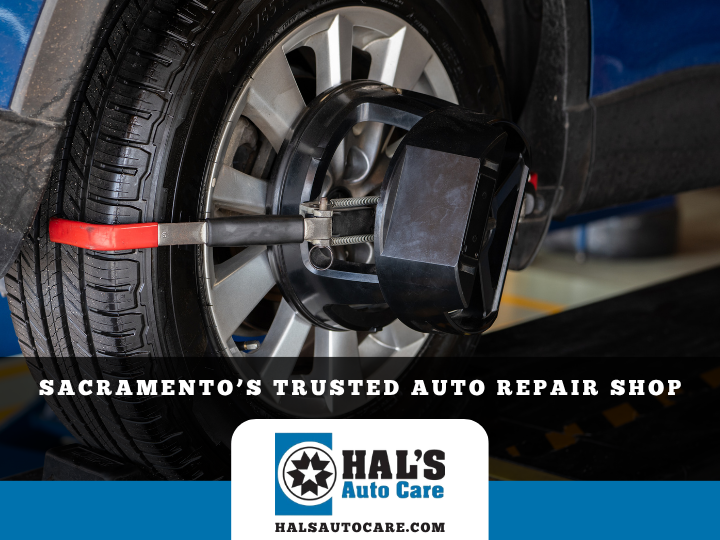
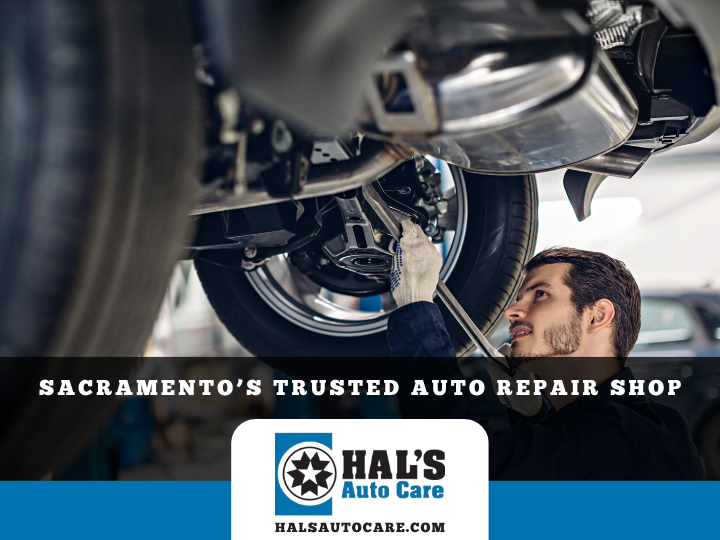
A trained technician does not simply react to the symptom. A trained technician follows a process. They listen to the customer’s concern, verify the symptom, inspect related systems, test components, review data, check service information, identify the cause, and confirm the repair.
That process protects the customer.
It helps prevent unnecessary parts replacement. It helps avoid repeat visits. It helps identify the real problem instead of chasing symptoms. It helps the customer understand the difference between what is actually wrong and what merely appears to be wrong.
That is what customer-first repair should look like.
ASE Certified Technicians Help Prevent Guesswork
One of the most important reasons to choose a shop with ASE certified technicians is diagnostic accuracy.
A symptom is not a diagnosis.
A vibration at highway speed may be caused by tire balance, tire wear, bent wheels, worn suspension parts, brake issues, axle concerns, driveline problems, or engine performance issues.
A vehicle pulling to one side may be caused by alignment, tire pressure, uneven tire wear, brake drag, suspension wear, steering components, or road conditions.
A rough idle may be caused by spark plugs, ignition coils, vacuum leaks, fuel delivery, carbon buildup, sensors, wiring, engine mechanical condition, or computer-controlled fuel management.
A noise over bumps may come from struts, shocks, sway bar links, control arms, bushings, ball joints, mounts, loose components, or body-related concerns.
A weak starting condition may be caused by the battery, alternator, starter, wiring, parasitic draw, poor connections, or control system issues.
This is why the technician’s thinking matters.
A parts-changing approach can become frustrating for the customer. If a technician replaces what seems most likely without proper testing, the customer may end up approving repairs that do not solve the issue. The vehicle may come back with the same concern. The real problem may remain unresolved. Trust is damaged because the customer feels like the process was based on guesswork.
ASE certified technicians are trained to think in systems. They understand that symptoms are clues, not conclusions. They know testing matters. They know data matters. They know procedure matters.
That mindset helps protect the customer from unnecessary repairs and incomplete solutions.
A Better Inspection Creates Better Decisions
A professional inspection is one of the most valuable things an auto repair shop can provide.
Many customers come in for one issue. Maybe the brakes are making noise. Maybe the check engine light is on. Maybe the vehicle needs an oil service. Maybe there is a vibration, leak, smell, starting problem, or air conditioning concern.
But the vehicle should still be looked at as a whole.
That does not mean overwhelming the customer. It does not mean creating pressure. It means giving the customer a clear understanding of the vehicle’s condition.
A proper inspection helps identify what is safe, what is worn, what needs attention, what should be watched, and what should be planned. That information gives the customer control.
A customer cannot make a good decision with incomplete information.
ASE certified technicians understand how systems wear over time. They know how one issue can affect another.
Worn suspension parts can affect tire life, alignment, ride quality, and vehicle control.
Weak batteries can cause starting problems and create stress on charging systems.
Cooling system issues can lead to overheating and serious engine concerns.
Brake wear can affect stopping distance and driver confidence.
Misfires can damage emissions components if ignored.
Leaks can create low fluid levels, burning smells, smoke, and long-term reliability problems.
Fluid condition can affect performance and component life.
The customer may not see all of these connections. A trained technician does.
That is why a good inspection is not a sales tactic. It is a responsibility.
The customer deserves to know what is happening with the vehicle. They deserve to understand what is urgent, what affects safety, what affects reliability, what protects long-term vehicle life, and what can be monitored.
That is what it means to have the customer’s best interest at heart.
Customers Need Education, Not Pressure
A repair shop should never make a customer feel pressured, confused, or talked down to.
The goal should be clarity.
When a technician identifies a concern, the customer should be told what was found, why it matters, how it affects the vehicle, and what the best next step is. The explanation should be clear enough for the customer to make an informed decision.
There is a major difference between saying, “You need this,” and explaining:
“This is what we found. This is why it matters. This is how it affects safety, reliability, performance, or long-term vehicle life. This is how urgent it is. These are the next steps we recommend.”
That kind of communication respects the customer.
It does not pressure them.
It equips them.
ASE certified technicians support better communication because their findings are grounded in testing, training, and system knowledge. When the technician’s inspection is clear, the service advisor can explain the recommendation more clearly. When the diagnosis is accurate, the customer can understand why the repair is being recommended.
Customers should not be forced to make decisions from fear.
They should be guided through decisions with education.
That is the foundation of a trustworthy auto repair experience.
Modern Vehicles Require Professional Standards
Today’s vehicles require professional standards because even routine services can involve specific procedures.
Battery replacement may involve testing, system resets, or registration procedures on certain vehicles.
Brake service may require electronic parking brake service modes.
Suspension repairs may affect alignment, tire wear, ride quality, and safety-related systems.
Steering repairs may involve sensors, electronic assist systems, or calibration.
Engine performance diagnostics may require reading live data, understanding fuel trims, evaluating sensor signals, checking ignition performance, testing fuel delivery, and confirming mechanical condition.
Air conditioning diagnostics may require pressure readings, temperature measurements, electrical testing, leak detection, and control system evaluation.
Electrical concerns may require wiring diagrams, voltage testing, communication checks, and careful isolation of the problem.
Modern vehicles reward knowledge and punish guesswork.
That is why ASE certification matters.
It is one sign that the technician and shop take professional standards seriously. It reflects a commitment to learning, testing, and accountability. For the customer, that commitment matters because poor diagnosis and improper procedures can create additional problems.
Customers deserve a shop that treats the vehicle with care and discipline.
Long-Term Vehicle Care Starts With the Right Technician
A customer-first auto repair shop does not only think about today’s repair. It thinks about the customer’s long-term relationship with the vehicle.
Many drivers want to keep their vehicles safe, dependable, and reliable for as long as possible. They want to avoid surprise breakdowns. They want to understand what is wearing. They want to plan ahead instead of being forced into last-minute decisions.
ASE certified technicians help make that possible because they understand how vehicle systems age.
They can identify wear patterns.
They can recognize early signs of trouble.
They can recommend service based on condition, safety, reliability, and long-term vehicle life.
This does not mean every recommendation is urgent. A professional shop should help the customer prioritize.
Some concerns affect immediate safety.
Some affect reliability.
Some protect long-term vehicle life.
Some can be monitored.
Some should be planned for a future visit.
That kind of prioritization builds trust because it shows the shop is thinking about the customer’s real situation, not just the repair order.
Customers need a plan, not pressure.
Trust Comes From Process
Trust is not built by saying the right words. It is built by doing the right things consistently.
A customer-first repair process should include listening, inspection, testing, documentation, communication, prioritization, quality repair, and follow-through.
The customer’s concern should be heard.
The vehicle should be inspected with purpose.
The technician should test before recommending.
The findings should be documented clearly.
The service advisor should explain the results in plain language.
The customer should understand what matters now and what can be planned.
The repair should be performed correctly.
The vehicle should be checked when appropriate.
That is how trust is built.
ASE certified technicians help strengthen that process because they bring training and discipline to the technical side of the experience. They understand that good repairs begin with good diagnosis. They understand that the customer is depending on their judgment.
When a technician takes pride in doing the job correctly, the customer benefits.
Certification Reflects a Culture of Professionalism
ASE certification is important on its own, but it also reflects something larger: a culture of professionalism.
A shop that values certification usually values training.
A shop that values training usually values process.
A shop that values process usually values accuracy.
A shop that values accuracy is more likely to protect the customer.
That culture matters.
Automotive repair is a high-responsibility profession. The work affects safety, reliability, transportation, and daily life. Customers trust technicians with vehicles they may depend on every single day.
That responsibility should never be taken lightly.
A strong shop culture expects technicians to keep learning. It expects them to follow procedures. It expects them to communicate findings clearly. It expects them to care about the outcome.
ASE certification supports that kind of culture.
It creates a standard. It shows that the technician is not just relying on habit or opinion. They are willing to be tested, willing to grow, and willing to stand behind professional knowledge.
Customers should value that because it directly affects the quality of service they receive.
Why Customers Should Ask About Technician Qualifications
Customers should feel comfortable asking about technician qualifications.
Who is working on the vehicle?
What kind of training do they have?
Are the technicians ASE certified?
Does the shop invest in ongoing education?
These are fair questions because the person diagnosing and repairing the vehicle has a direct impact on the result.
A qualified technician can help prevent repeat visits, missed concerns, unnecessary parts replacement, and incomplete repairs. A trained technician can also help the customer understand the vehicle more clearly.
This is not about turning the customer into a mechanic. It is about helping the customer choose wisely.
A professional shop should welcome questions about training and certification. Those questions show the customer cares about the quality of the repair.
And they should care.
It is their vehicle.
It is their safety.
It is their time.
It is their trust.
Local Driving Conditions Make Quality Service Even More Important
Drivers in Sacramento and the surrounding communities rely on their vehicles through a wide range of driving conditions. Local errands, daily commutes, freeway travel, hot summers, stop-and-go traffic, neighborhood streets, and longer trips throughout Northern California all affect vehicle wear over time.
Vehicles traveling around Sacramento may spend time on roads such as Arden Way, El Camino Avenue, Fulton Avenue, Watt Avenue, Howe Avenue, Fair Oaks Boulevard, Business 80, Highway 50, I-80, and nearby routes connecting Arden-Arcade, Carmichael, East Sacramento, North Sacramento, Rosemont, La Riviera, Rancho Cordova, Fair Oaks, Citrus Heights, and surrounding communities.
Those conditions matter.
Stop-and-go driving can be hard on brakes, cooling systems, transmissions, and engine components.
Freeway driving can reveal tire balance issues, alignment concerns, suspension wear, and drivability problems.
Hot Sacramento summers can stress cooling systems, batteries, air conditioning systems, belts, hoses, tires, and fluids.
Rough roads, construction zones, and daily commuting can affect suspension, steering, tires, and wheel alignment.
Short trips and frequent local driving can place additional stress on batteries, fluids, emissions systems, and engine components.
A customer may not always connect these driving conditions to vehicle wear, but a trained technician will.
That is why local experience matters. A technician who understands how vehicles are used in the real world can help the customer think more clearly about inspection, maintenance, and repair priorities.
The goal is not to make everything sound urgent. The goal is to help the customer understand what is happening and what should be done about it.
Better Technicians Create Better Customer Decisions
A customer can only make a good decision when the information is accurate.
If the diagnosis is wrong, the decision is wrong.
If the inspection is incomplete, the decision is incomplete.
If the explanation is unclear, the customer is left uncertain.
If the recommendation is not prioritized, the customer may not know what matters most.
That is why technician skill matters so much.
The technician’s work becomes the foundation of the customer’s decision. The better the inspection, the better the explanation. The better the diagnosis, the better the repair. The better the communication, the better the customer experience.
ASE certified technicians help support better decisions because they bring tested knowledge into the process.
This is not about impressing customers with technical language. In fact, the best professionals make complicated issues easier to understand. They take complex vehicle systems and explain them in a way the customer can use.
The customer should leave the conversation with clarity.
They should know what is happening.
They should know why it matters.
They should know what is most important.
They should know what can be planned.
They should know how to move forward.
That is what customer-first service looks like.
ASE Certification and Preventive Maintenance
Preventive maintenance is one of the most important areas where trained technicians make a difference.
Many customers think about auto repair only when something breaks. But the most responsible way to care for a vehicle is to identify needs before they become failures.
A trained technician can help spot aging belts, weak batteries, worn tires, fluid concerns, leaks, brake wear, suspension issues, filter restrictions, cooling system concerns, and other developing problems.
This allows the customer to plan.
Planning is better than panic.
When maintenance is explained properly, it is not about selling services. It is about protecting the vehicle and reducing the risk of avoidable breakdowns.
ASE certified technicians understand the role maintenance plays in long-term reliability. They also understand that maintenance needs should be explained clearly and honestly.
A customer should know why a service is recommended. They should know what system it protects. They should know whether it affects safety, reliability, performance, or long-term vehicle life.
That type of education allows the customer to make better choices.
It also builds trust because the shop is helping the customer look ahead instead of only reacting after something fails.
What Customers Should Expect From a Shop With ASE Certified Technicians
When customers choose a shop with ASE certified technicians, they should expect professionalism from the entire experience.
They should expect careful listening. A noise, vibration, smell, warning light, leak, or drivability issue may require specific details to diagnose properly. When does it happen? How long has it been happening? Is it worse hot or cold? Does it happen while braking, accelerating, turning, idling, or driving at certain speeds?
They should expect proper inspection and testing. The recommendation should be based on findings, not assumptions.
They should expect clear communication. The explanation should be understandable without being dismissive or overly technical.
They should expect prioritization. Not every issue has the same urgency. A customer-first shop helps customers understand the difference between safety concerns, reliability concerns, maintenance needs, and items to monitor.
They should expect respect. Customers should not feel pressured, rushed, or talked down to. They should feel informed.
They should expect quality. Proper tools, proper parts, proper procedures, and trained technicians all matter.
The best shops do not simply repair vehicles. They guide customers through decisions.
Why Pride in the Trade Matters
ASE certification also reflects pride in the automotive profession.
Good technicians do important work. They protect drivers. They help families stay safe. They solve difficult problems. They keep people moving. They help customers avoid breakdowns and make better decisions about their vehicles.
That work deserves respect.
A technician who pursues certification is showing pride in the craft. They are choosing to be measured. They are choosing to grow. They are choosing to hold themselves to a higher standard.
Customers benefit from that pride.
A technician who cares about the craft is less likely to guess. They are more likely to test. They are more likely to want the repair to be right. They are more likely to think beyond the immediate task and consider the entire vehicle.
That mindset matters because customers are not just trusting the shop with a machine. They are trusting the shop with safety, time, convenience, reliability, and peace of mind.
A professional technician understands that.
Choosing ASE Certified Auto Repair in Sacramento, CA
For drivers looking for ASE certified auto repair in Sacramento, CA, Hal’s Auto Care provides professional automotive service built around technical skill, clear communication, and customer-focused care. Located at 2425 Tower Ave in Sacramento, Hal’s Auto Care serves drivers throughout Sacramento, Arden-Arcade, Carmichael, East Sacramento, North Sacramento, Rosemont, La Riviera, Rancho Cordova, Fair Oaks, Citrus Heights, and nearby communities.
Whether a vehicle needs diagnostics, brake service, steering and suspension repair, electrical testing, maintenance, engine performance service, air conditioning service, inspections, or general auto repair, the quality of the technician matters. Customers deserve a shop that inspects carefully, explains clearly, and recommends what is truly in the customer’s best interest.
Hal’s Auto Care can be reached at (916) 485-9215 or online at https://halsautocare.com/services/.
Final Thought
ASE certification matters because customers matter.
A customer should not have to wonder whether the person working on their vehicle is qualified. They should not have to hope the diagnosis is right. They should not have to guess whether the recommendation is necessary. They should be able to trust the process, the technician, the explanation, and the repair.
That trust is earned through training, accuracy, honesty, and care.
When technicians are trained and certified, customers receive more than mechanical service. They receive clarity. They receive confidence. They receive guidance. They receive a better understanding of the vehicle they depend on every day.
The best auto repair shops understand that every recommendation must come from a place of responsibility.
Not pressure.
Not fear.
Not guesswork.
Responsibility.
That is what truly having the customer’s best interest at heart means.
It means inspecting the vehicle properly.
It means telling the truth.
It means explaining what matters.
It means helping the customer prioritize.
It means repairing the vehicle correctly.
It means treating the customer’s trust as something valuable.
That is why ASE certified technicians matter when choosing an auto repair shop.
Because the customer deserves to know the vehicle is in good hands.
You can watch the video