April 22, 2026
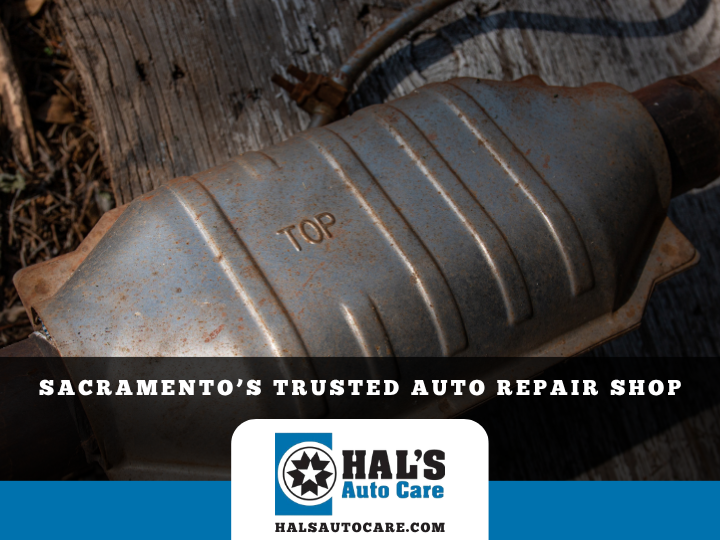
Top Causes of a Check Engine Light (And How We Narrow It Down) When a check engine light comes on, most drivers immediately wonder three things: Is it serious? Is it safe to keep driving? What is this going to involve? The most important thing to know is this: the check engine light is a warning indicator, not a complete diagnosis . It means your vehicle has detected abnormal system behavior. It does not automatically identify the root cause. That is why the right approach is a disciplined diagnostic process built around one standard: truly having the customer’s best interest at heart . That means: No guessing No unnecessary parts replacement No vague explanations No pressure-driven recommendations Just evidence-based testing, clear communication, and a plan that protects long-term reliability. If you drive in Sacramento, Arden-Arcade, Campus Commons, East Sacramento, Carmichael, Rosemont, Rancho Cordova, Fair Oaks, or nearby communities, this guide explains the top causes of a check engine light and how we narrow it down correctly. What the Check Engine Light Actually Means Your vehicle constantly monitors engine and emissions performance through onboard diagnostics. Sensors and control modules track: Ignition and combustion quality Fuel delivery and correction Airflow and load Exhaust and catalyst behavior Engine temperature management Electrical signal integrity When values move outside expected thresholds, the system stores trouble information and may illuminate the check engine light. Important: A trouble code usually tells us where to start testing . It does not, by itself, prove what failed first . Solid Light vs Flashing Light Solid check engine light Usually indicates a fault that should be diagnosed soon. The vehicle may still operate, but delaying can allow secondary issues to develop. Flashing check engine light Often indicates an active misfire severe enough to risk catalytic converter damage. This should be treated as urgent. Top Causes of a Check Engine Light 1) Ignition System Faults Spark plugs, coils, and ignition circuits are among the most frequent causes. Typical symptoms Rough idle Engine shake at stops Hesitation under throttle Reduced power Why accurate diagnosis matters A misfire code might look like an ignition failure but can also originate from fuel, vacuum, compression, injector, or wiring issues. 2) Vacuum Leaks / Unmetered Air Air leaks in intake pathways can create lean conditions and unstable drivability. Typical symptoms Fluctuating idle Surging Hesitation Lean-related fault patterns Correct method Small leaks are often only confirmed with smoke testing and live fuel-trim analysis. 3) MAF Sensor Performance Issues The mass airflow sensor informs fuel strategy. Contamination, wiring issues, or sensor drift can set check engine faults. Typical symptoms Sluggish acceleration Inconsistent throttle response Intermittent stalling Fuel mixture-related codes Best-interest approach Confirm sensor accuracy through testing before recommending replacement. 4) Oxygen Sensor / Air-Fuel Sensor Faults These sensors provide critical feedback for fuel control and emissions performance. Typical symptoms Irregular drivability Emissions readiness issues Catalyst efficiency-related codes Fuel correction instability Proper diagnostic approach Evaluate real-time sensor behavior and response, not just static fault descriptions. 5) Catalytic Converter Efficiency Concerns Catalyst-related faults are common but often downstream of other unresolved issues. Typical symptoms Reduced response Persistent emissions faults Exhaust odor changes Root-cause discipline Verify upstream misfire, fuel control, and exhaust integrity before confirming catalyst failure. 6) EVAP System Leaks or Valve Faults The EVAP system contains and controls fuel vapors. Leaks or valve issues can trigger the check engine light without obvious drivability symptoms. Typical symptoms Warning light with normal day-to-day driving feel Recurring EVAP fault patterns Intermittent light return after resets Why this requires precision EVAP diagnosis requires dedicated pressure/smoke testing and command verification. 7) Fuel Delivery or Injector Issues Fuel pressure behavior and injector function are central to stable combustion. Typical symptoms Hard starts Hesitation under load Random misfire activity Lean condition faults Correct process Fuel system testing should include pressure behavior, injector response, and scan-data correlation. 8) Thermostat / Temperature Regulation Faults Engine temperature control affects drivability, emissions strategy, and fuel control. Typical symptoms Extended warm-up Inconsistent operation in cooler starts Temperature-related codes Gradual drivability decline Why it matters Temperature faults influence multiple systems and should be diagnosed early. 9) Wiring, Ground, and Connector Integrity Problems Electrical disruptions can create intermittent or misleading code patterns. Typical symptoms Random warning behavior Multiple unrelated faults Conditions that change with vibration or temperature Best-interest diagnostics Circuit load checks, voltage-drop testing, and terminal/harness inspections prevent misdiagnosis. 10) Control Module Communication or Calibration Issues In some cases, the check engine light may involve module communication faults or calibration behavior. Typical symptoms Persistent codes with inconsistent symptoms Recurring issues after incomplete prior repairs Communication-related fault data Responsible approach Mechanical and electrical fundamentals are verified first, then software-level causes are evaluated when supported by evidence. How We Narrow It Down the Right Way A high-quality diagnostic process is systematic and transparent. Step 1: Verify the concern Solid vs flashing light When symptoms occur (cold start, idle, highway, load) Step 2: Full-system scan and code mapping Active, pending, and historical faults Freeze-frame conditions at fault set Step 3: Live data analysis Fuel trims Airflow/load values Sensor behavior Temperature trends Misfire activity Step 4: Targeted testing Intake/EVAP smoke testing Ignition and fuel delivery checks Circuit and connector testing Exhaust/catalyst confirmation Step 5: Root-cause confirmation Verify what failed Verify why it failed Identify any related downstream effects Step 6: Clear recommendation plan What needs immediate action What can be monitored What protects long-term reliability Why a Code Reader Is Not a Full Diagnostic Strategy Code readers are useful tools, but they do not replace diagnostic logic. A code identifies a system fault boundary. Diagnosis determines the cause. A customer-first process protects you from repeat visits and avoids unnecessary replacements by proving the failure before repairs are recommended. Local Driving Conditions Around Sacramento That Can Influence Fault Patterns Driving conditions in and around Sacramento can affect how engine and emissions issues appear. Common regional patterns include: Frequent stop-and-go commuting across surface streets in Sacramento and Arden-Arcade Mixed-speed driving on I-80, US-50, and Business 80 corridors Repeated short-trip operation between East Sacramento, Campus Commons, Carmichael, and Rosemont High heat periods that raise under-hood thermal stress Congestion cycles and idle-heavy traffic windows These conditions can amplify: Idle-quality misfires Fuel trim instability EVAP monitor interruptions Intermittent electrical faults Temperature-related performance codes A reliable diagnosis should include both technical data and real-world use patterns. What To Do When Your Check Engine Light Comes On Stay calm. Check if the light is solid or flashing. Note symptoms: rough idle, hesitation, power loss, stalling, vibration, unusual smell. Avoid heavy acceleration if performance feels unstable. Schedule a proper diagnostic inspection. If the light is flashing, treat it as urgent. Final Takeaway A check engine light is your vehicle asking for accurate attention, not quick assumptions. The best repair decisions come from: Evidence-based testing Root-cause confirmation Clear communication Recommendations aligned with your best interest If you are in Sacramento or nearby areas like Arden-Arcade, East Sacramento, Campus Commons, Carmichael, Rosemont, Rancho Cordova, and Fair Oaks, choose a diagnostic process built on clarity and precision. That is how you protect vehicle reliability over the long term. Hal’s Auto Care 2425 Tower Ave, Sacramento, CA 95825 (916) 485-9215 https://halsautocare.com/services/ You can watch the video https://youtu.be/zWQPBSrGPLw