Best Rated Independent Mechanic Near Me
Best Rated Independent Mechanic Near Me

Best-Rated Independent Mechanic Near Me in Sacramento, CA: Why Doing the Repair Right the First Time Costs Less
When Sacramento drivers search for the “best-rated independent mechanic near me,” they are usually looking for more than someone who can replace a part.
They are looking for confidence.
They want to know that the mechanic will listen carefully, inspect the vehicle thoroughly, identify the actual cause of the problem, explain the findings clearly, and complete the repair correctly. They want to feel confident that the vehicle will be safer, more reliable, and less likely to return with the same concern.
That is important because the lowest initial repair estimate does not always result in the lowest total cost.
A repair can become far more costly when the diagnosis is incomplete, the wrong component is replaced, related concerns are overlooked, or the work is not performed correctly. The customer may then face repeated labor, additional parts, towing, missed work, disrupted plans, and further damage to the vehicle.
What should have been one professional repair can become several frustrating visits.
The best independent mechanic in Sacramento, California, should not be chosen only by comparing initial estimates or looking for the fastest promise. The more important question is whether the repair shop has the knowledge, equipment, procedures, and commitment needed to solve the correct problem the first time.
The right repair is not simply the installation of a replacement part. It is the result of accurate diagnosis, professional workmanship, clear communication, quality parts, final testing, and a genuine commitment to protecting the customer’s best interest.
What “Best Rated” Should Really Mean
Online ratings can be useful when choosing an independent mechanic, but the number of stars should only be the beginning of the evaluation.
Some customers leave positive reviews because the staff was friendly, the waiting area was comfortable, or the repair was completed quickly. Those qualities matter, but they do not always prove that the shop follows a complete diagnostic and repair process.
The best-rated independent mechanic should earn trust through the entire customer experience.
That experience should include:
- Listening carefully to the customer’s concern
- Asking when and how the symptoms occur
- Verifying the problem
- Inspecting the complete system
- Testing before recommending parts
- Documenting the findings
- Explaining the repair in understandable language
- Separating urgent concerns from future needs
- Performing the repair correctly
- Confirming that the original problem has been resolved
A professional repair recommendation should help the customer answer four important questions:
- What is happening with the vehicle?
- What caused the problem?
- What needs to be addressed now?
- What can be monitored or planned for later?
When those questions are answered clearly, the customer can make an informed decision.
When those questions are not answered, the customer may be approving a repair without understanding whether it will solve the problem.
Truly having the customer’s best interest at heart means creating clarity rather than pressure. It means helping the customer understand the difference between a safety concern, a reliability concern, preventive maintenance, and a condition that can be monitored.
Quick Tip: Look beyond the overall rating. Read reviews that mention accurate diagnosis, clear explanations, repairs that solved the original problem, and consistent communication.
Why the Lowest Initial Estimate Can Lead to a Higher Total Cost
It is understandable for customers to compare repair estimates. Vehicle problems are rarely planned, and most drivers want to make a responsible decision.
The problem is that two estimates may not represent the same repair.
One shop may recommend replacing the most obvious part based on the symptom. Another shop may include the diagnostic testing, related inspections, proper parts, correct procedures, and final verification needed to repair the complete problem.
The first estimate may appear lower because part of the necessary process is missing.
When those missing steps become necessary later, the customer may end up paying for the same concern more than once.
A symptom is not the same as a diagnosis.
A check engine light does not automatically tell a technician which part should be replaced. A diagnostic trouble code identifies a system, circuit, or operating condition that requires further testing.
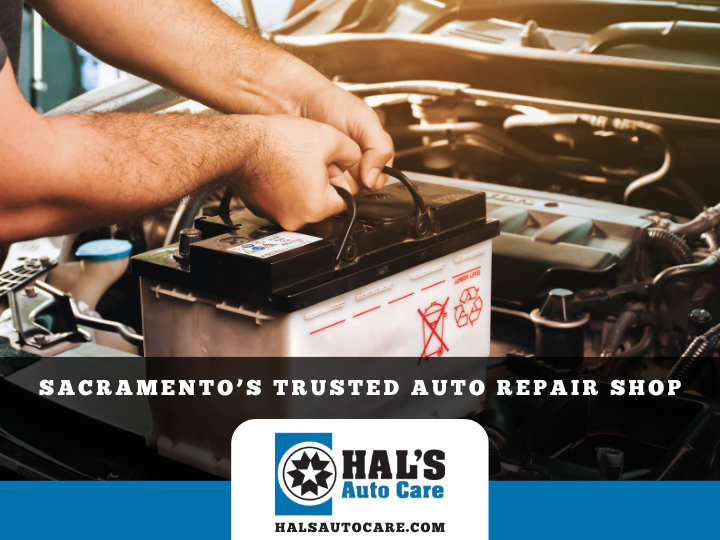
A battery warning does not always mean the battery is the only problem. The concern may involve the charging system, wiring, electrical connections, excessive resistance, or a component that continues drawing power after the vehicle is turned off.
A brake noise does not automatically mean the vehicle only needs brake pads. The braking system may also have damaged rotors, sticking calipers, worn hardware, contaminated surfaces, or another condition affecting operation.
A vibration does not automatically mean the tires require balancing. The cause could involve tire damage, wheel condition, alignment, suspension wear, axle problems, or wheel bearings.
A vehicle that pulls to one side may not simply need an alignment. A worn steering component, damaged tire, brake concern, suspension problem, or incorrect tire pressure may be creating the symptom.
When a part is replaced without identifying the cause, the customer carries the risk.
If the first repair does not solve the concern, the vehicle must return. Another part may be recommended, additional labor may be required, and the original problem may continue long enough to damage something else.
The first estimate may have appeared lower, but the complete repair experience becomes far more costly.
The Federal Trade Commission recommends getting a written estimate that identifies the condition being repaired, the required parts, and the anticipated labor. California’s Bureau of Automotive Repair also emphasizes choosing a licensed shop and receiving clear explanations and authorization before repairs are performed.
The Hidden Cost of Repeat Repairs
A repeated repair affects more than the repair invoice.
The customer may have to arrange another ride, miss work, cancel appointments, change family plans, or go without the vehicle for additional time. If the unresolved problem becomes more severe, the vehicle may require towing.
The total cost can increase when:
- The wrong component is replaced
- The original symptom remains
- A second diagnosis becomes necessary
- The same area must be disassembled again
- Related components are damaged
- A lower-quality part fails prematurely
- Another shop must correct the previous work
- The vehicle becomes unsafe to drive
- The customer loses additional use of the vehicle
- A smaller concern develops into a larger failure
This is why diagnostic time should not be viewed as an unnecessary addition to the repair.
Diagnosis is the professional work required to determine what the vehicle actually needs.
Guessing may appear faster at the beginning, but it can create a much longer and more expensive path to the correct answer.
Quick Tip: Before approving a repair, ask what testing confirmed the failure. A professional service advisor should be able to explain the evidence supporting the recommendation.
Replacing a Part Is Not the Same as Solving the Problem
A technician can replace a failed component without solving the complete problem.
Professional repair requires understanding why the component failed, whether another condition contributed to the failure, and whether additional damage has already occurred.
Consider a vehicle that repeatedly needs a jump-start.
Replacing the battery may temporarily restore operation, but the battery might not be the original cause. The charging system may be weak. A battery cable may have excessive resistance. A module may remain active after the vehicle is turned off. An aftermarket accessory may be creating an electrical draw.
Without testing the complete electrical system, the replacement battery may soon be discharged again.
Consider a vehicle with uneven tire wear.
Installing new tires may improve traction, but the new tires can begin developing the same wear pattern if the alignment is incorrect, suspension components are loose, shocks or struts are worn, or tire pressures are not maintained.
Consider a vehicle that is overheating.
Replacing the thermostat may appear reasonable, but overheating can also involve a coolant leak, cooling fan failure, restricted radiator, damaged pressure cap, weak water pump, trapped air, or an internal engine problem.
If the real cause remains, continued overheating may result in serious engine damage.
Consider a vehicle with a recurring engine misfire.
The cause may involve the ignition system, fuel delivery, wiring, unwanted air entering the engine, mechanical condition, carbon buildup, or a control-system problem. Replacing the part named in a trouble-code description may not correct the actual condition.
A professional technician should ask:
- What caused the failure?
- Is another component contributing to it?
- Has the failure affected anything else?
- What testing will confirm the diagnosis?
- What should be inspected while the system is apart?
- How will the repair be verified afterward?
That process is what separates professional auto repair from simply replacing parts.
What a Professional Auto Repair Process Should Include
The best independent mechanics follow a consistent process instead of approaching every concern as an opportunity to make a quick guess.
The exact testing will depend on the vehicle and its symptoms, but a professional repair process should include several essential steps.
Listen Carefully to the Customer
The customer often provides the first valuable diagnostic clues.
The service advisor should ask when the concern began, when it occurs, whether it is constant or intermittent, and whether it changes with speed, temperature, braking, turning, acceleration, or weather.
The driver may also know whether the problem began after another repair, after hitting a pothole, after the vehicle sat unused, or during a particular type of driving.
These details help the technician reproduce the concern and choose the correct tests.
Verify the Concern
The technician should attempt to experience the same problem the customer described whenever it is safe and practical.
A noise should be heard. A vibration should be felt. A warning light should be scanned. An electrical concern may need to be tested under the same conditions in which the customer experiences it.
When the concern cannot be duplicated, the shop should explain that honestly.
Replacing a part without verifying the problem can create an unnecessary repair while leaving the customer’s original concern unresolved.
Inspect the Complete System
The component showing the symptom may not be the component causing the failure.
A complete inspection should include related parts, fluid condition, wiring, electrical connectors, hoses, mounts, wear patterns, leaks, previous repairs, and visible damage.
Customers should be shown what the technician found whenever possible. Photographs, videos, measurements, inspection notes, and test results create transparency.
The repair recommendation should be based on evidence rather than assumption.
Test Before Recommending Parts
Professional diagnosis may involve:
- Electrical circuit testing
- Battery and charging-system testing
- Pressure testing
- Smoke testing
- Scan-tool data
- Mechanical measurements
- Temperature measurements
- Fluid inspection
- Component activation tests
- Road testing
- Visual inspection under operating conditions
Testing takes time, but it protects the customer from unnecessary parts and repeated repairs.
Explain the Priorities
Not every recommendation has the same urgency.
A professional auto repair shop should separate its findings into clear categories:
- Safety concerns that should be handled now
- Reliability concerns that could lead to a breakdown
- Maintenance that protects the vehicle
- Conditions that can be monitored
- Future repairs that should be planned
This allows the customer to understand the complete condition of the vehicle without being made to feel that every recommendation must be approved immediately.
Perform the Repair Correctly
Professional repair requires more than installing a replacement part.
The technician should use the correct procedures, appropriate parts, proper fluids, accurate torque specifications, and careful workmanship. Wiring and hoses should be routed correctly. Sealing surfaces should be cleaned and prepared. Systems should be filled, bled, calibrated, programmed, or relearned when required.
Verify the Result
The repair is not complete when the replacement part has been installed.
The repaired system should be retested. The original symptom should be checked again. Fluid levels should be verified. Diagnostic information should be reviewed, and a road test or final quality-control inspection should be completed when appropriate.
Quick Tip: Ask how the shop verifies its work before returning the vehicle. The answer should include testing the repaired system and confirming that the original concern has been corrected.
How Poor Workmanship Creates Additional Repairs
Even an accurate diagnosis can produce an unsuccessful repair when the installation is not completed correctly.
The correct part can leak, fail, or create another concern when repair procedures are rushed or ignored.
Workmanship problems can include:
- Loose fasteners
- Over-tightened fasteners
- Cross-threaded bolts
- Damaged electrical connectors
- Pinched wiring
- Improperly routed hoses
- Contaminated sealing surfaces
- Incorrect fluids
- Air left in cooling or hydraulic systems
- Missing clips, shields, or retainers
- Reused hardware that should have been replaced
- Components installed without calibration
- Failure to complete a final inspection
Some installation problems appear immediately. Others develop after the vehicle has been driven for several days or weeks.
The customer may notice a leak, warning light, noise, vibration, or performance concern. Correcting the mistake may require removing the same components again.
In more serious situations, incorrect installation can damage an assembly that was not originally faulty.
Professional workmanship requires trained technicians, proper tools, current repair information, quality-control procedures, and enough time to perform the work without shortcuts.
A Customer-First Independent Mechanic in Sacramento, CA
For drivers looking for professional auto repair in Sacramento, Hal’s Auto Care serves the community from its location at 2425 Tower Avenue.
Hal’s Auto Care is a family-owned Sacramento repair shop that has served local drivers since 1979. Its listed services include vehicle diagnostics, brake repair, electrical repair, air-conditioning service, transmission repair, suspension repair, oil service, and repairs for hybrid and electric vehicles.
A strong independent repair shop should provide more than individual services. It should help customers understand the complete condition of their vehicles and make informed decisions based on safety, reliability, maintenance, and long-term ownership.
This approach is especially valuable for customers who plan to keep their vehicles.
A dependable vehicle is not created through random repairs. Dependability comes from consistent inspections, accurate diagnosis, quality workmanship, proper maintenance, and a plan based on the vehicle’s age, mileage, condition, use, and service history.
The purpose of a complete inspection should not be to create the longest possible list of services.
The purpose should be to create clarity.
When recommendations are supported by photographs, measurements, wear patterns, testing, and understandable explanations, customers can decide what should be handled now and what can be planned for later.
That is how a professional independent mechanic earns long-term trust.
What Having the Customer’s Best Interest at Heart Means
Many repair shops say they care about their customers. The true test is whether that commitment changes how the shop communicates and makes recommendations.
Having the customer’s best interest at heart means being willing to tell someone when a repair is not needed.
It also means being honest when delaying a repair may create a safety concern, breakdown, or damage to another part of the vehicle.
Both conversations require integrity.
The customer-first recommendation is not always the smallest repair order. It is not always the largest repair order.
The correct recommendation is the one that provides the customer with the best path forward based on the actual condition of the vehicle.
Sometimes the right decision is to monitor a condition.
Sometimes several repairs should be completed together because the same components must be removed, reducing repeated labor later.
Sometimes the work should be separated into stages, allowing the most important safety and reliability concerns to be completed first.
A repair shop acting in the customer’s best interest should:
- Explain why each repair is being recommended
- Show the customer what was found
- Separate immediate concerns from future planning
- Avoid replacing parts without appropriate testing
- Discuss related components before beginning work
- Use suitable parts and professional repair procedures
- Protect the vehicle while it is being serviced
- Document completed repairs
- Explain the possible consequences of delaying a concern
- Communicate before expanding the repair
- Stand behind the quality of its work
The professional shop controls the repair process. The customer controls the decision.
That balance creates trust.
Hal’s Auto Care describes its approach as helping Sacramento drivers make informed vehicle decisions through clear answers, honest priorities, and explanations without pressure. That philosophy is closely connected to truly having the customer’s best interest at heart.
Quick Tip: A professional recommendation should make you more informed, not more pressured. You should understand the condition, priority, possible consequences, and proposed solution.
Questions to Ask Before Choosing an Independent Mechanic
Sacramento drivers should feel comfortable asking questions before authorizing a repair.
The quality of the answers can reveal more than an online rating.
How Will You Diagnose the Problem?
A professional repair shop should explain the starting process without promising a specific repair before inspecting and testing the vehicle.
Be cautious when someone identifies a failed part without examining the vehicle.
What Confirmed the Failure?
The service advisor should be able to describe the test results, measurements, visible damage, or operating data supporting the recommendation.
Will You Inspect Related Components?
The repair should consider why the failure occurred and whether another component contributed to it.
Can You Show Me What You Found?
Photographs, videos, measurements, and inspection results can help customers understand the recommendation.
What Needs Attention Now?
The shop should distinguish immediate safety concerns from reliability issues, maintenance needs, future planning, and items that can be monitored.
What Could Happen if I Delay the Repair?
The explanation should provide useful information without relying on fear or unnecessary pressure.
How Will You Verify the Repair?
The repaired system should be tested, and the original concern should be confirmed as corrected.
What Should I Plan for Next?
A professional independent shop should help the customer prepare for future maintenance and developing wear before the next concern becomes an emergency.
California’s Bureau of Automotive Repair advises consumers to select a repair shop before an emergency occurs, verify the shop’s licensing, receive an estimate before work begins, and expect clear explanations about the repair.
Why a Complete Vehicle Inspection Matters
One of the best ways for a repair shop to demonstrate that it has the customer’s best interest at heart is through a complete vehicle inspection.
An inspection may include photographs, technician notes, measurements, wear observations, and condition ratings. Instead of simply being told that something is worn, leaking, damaged, or unsafe, the customer can see the evidence.
A thorough inspection helps the customer understand:
- Which components are currently in good condition
- Which items should be monitored
- Which maintenance services are approaching
- Which repairs affect reliability
- Which conditions may create a safety concern
- Why a particular repair is being recommended
The inspection should not be used to overwhelm the customer.
It should be organized in a way that separates immediate needs from future planning. The goal is to educate the customer and develop a practical vehicle care plan.
A shop with the customer’s best interest at heart should be willing to explain what does not need attention as clearly as it explains what does.
Quick Tip: Ask to see the inspection findings before making a decision. Look for photographs, measurements, technician notes, and a clear explanation of each priority.
Serving Sacramento and Surrounding Communities
Hal’s Auto Care is located on Tower Avenue near the Arden-Arcade and Arden Fair areas, making it convenient for drivers throughout the greater Sacramento region. The shop identifies its location as serving Arden-Arcade and Greater Sacramento, while city resources recognize nearby areas including Arden Fair, Point West, Swanston Estates, North Sacramento, Old North Sacramento, East Sacramento, and Cal Expo.
Nearby communities and neighborhoods include:
- Arden-Arcade
- Arden Fair
- Point West
- Swanston Estates
- North Sacramento
- Old North Sacramento
- East Sacramento
- Cal Expo
- Carmichael
- North Highlands
- Foothill Farms
- Citrus Heights
- Rancho Cordova
- Rosemont
- La Riviera
- Fair Oaks
Drivers from surrounding Sacramento County communities may find that working with a trusted independent mechanic is worth the trip when it reduces uncertainty, prevents repeated repairs, and provides a consistent vehicle care plan.
Convenience matters, but consistency matters even more.
A repair shop becomes increasingly valuable when it knows the vehicle’s history, maintains accurate service records, understands previous repairs, and helps the customer prepare for future needs.
Instead of reacting to one breakdown at a time, the customer and repair shop can work together to keep the vehicle safe, reliable, and dependable.
When a Vehicle Should Not Be Driven
Having the customer’s best interest at heart also requires giving clear advice when a vehicle may no longer be safe to drive.
Drivers should stop and seek professional guidance when they notice:
- An overheating warning
- A temperature gauge moving into the hot range
- A low oil-pressure warning
- A flashing check engine light
- Sudden loss of braking ability
- A brake pedal that feels unusually soft or hard
- Severe steering difficulty
- A strong fuel odor
- A visible fuel or fluid leak
- Smoke from the engine compartment
- A loud grinding or knocking noise
- Severe shaking or vibration
- A tire rapidly losing pressure
- Warning lights combined with reduced power
- Electrical concerns affecting headlights or vehicle operation
Continuing to drive may turn a manageable repair into a much larger failure.
Driving an overheating vehicle may result in serious engine damage. Continuing to operate a vehicle with a flashing check engine light may damage connected emissions components. Ignoring a grinding brake noise may allow damage to move beyond the original worn parts.
When there is uncertainty, the safest choice is to call the repair shop, describe what is happening, and ask whether the vehicle should be driven or towed.
Quick Tip: Take a photograph of warning lights before turning off the vehicle. Note the speed, weather, engine temperature, road conditions, and what the vehicle was doing when the symptom appeared.
Preventive Maintenance Is Part of Customer-First Repair
A customer-first repair shop does more than respond after something breaks. It helps customers prevent avoidable breakdowns.
Fluids deteriorate. Rubber components age. Belts and hoses weaken. Tires wear. Batteries lose capacity. Suspension components develop movement. Brakes become thinner with use.
Waiting until every component completely fails can lead to roadside emergencies, interrupted schedules, and damage to related systems.
Preventive maintenance allows the technician to identify wear before the vehicle becomes unreliable.
This does not mean replacing every component early. It means inspecting, measuring, documenting, and creating a plan.
Identifying uneven tire wear early may allow an alignment or suspension concern to be corrected before the tires are damaged further.
Finding a small coolant leak may prevent an overheating incident.
Testing a weakening battery may allow the customer to replace it before experiencing a no-start condition.
Measuring brake wear may allow the service to be scheduled before the brakes begin grinding.
The goal is to help the customer plan instead of react.
Why Right-First-Time Repair Supports Long-Term Vehicle Ownership
A vehicle is essential to everyday life for many Sacramento-area families.
It provides transportation to work, school, appointments, family responsibilities, and daily activities. Protecting that vehicle requires more than waiting for something to break.
Right-first-time repair supports long-term ownership because it creates accurate service records, corrects problems before they affect other systems, and helps the owner understand what the vehicle may need next.
A complete vehicle care plan can include:
- Current safety concerns
- Reliability repairs
- Upcoming maintenance
- Tire condition
- Brake condition
- Fluid condition
- Battery and charging-system performance
- Steering and suspension wear
- Developing leaks
- Items to monitor
- Future repairs to plan
This prevents two common mistakes.
The first is doing too little and allowing small concerns to become larger failures.
The second is approving repairs without understanding whether they are necessary, accurately diagnosed, or properly prioritized.
A vehicle health plan allows the customer to make intentional decisions instead of waiting for a warning light, breakdown, or no-start condition to control the schedule.
Quick Tip: Ask the service advisor to separate recommendations into “needed now,” “needed soon,” and “monitor.” This makes the vehicle’s condition easier to understand and plan for.
Choose a Mechanic Based on the Quality of the Process
Searching for the best-rated independent mechanic near you in Sacramento, CA, should lead to more than a list of stars.
Look for a repair shop that listens carefully, tests before recommending, documents what it finds, explains priorities, completes repairs professionally, and verifies the result.
A professional auto repair shop may not always present the lowest initial estimate. Proper diagnosis, trained technicians, quality parts, correct procedures, professional equipment, and final testing require time and expertise.
That process can protect the customer from unnecessary parts, repeated labor, unresolved symptoms, preventable breakdowns, and damage caused by incomplete repairs.
Doing the repair right the first time is not simply about completing the work.
It is about identifying the true cause, repairing the complete problem, verifying the result, and protecting the customer from having to return for the same concern.
The most costly repair may be the one that must be completed twice.
For drivers in Sacramento, Arden-Arcade, Carmichael, North Highlands, Foothill Farms, Citrus Heights, Rancho Cordova, Rosemont, La Riviera, Fair Oaks, and surrounding communities, Hal’s Auto Care provides professional vehicle repair and maintenance at 2425 Tower Avenue in Sacramento, California.
To schedule an appointment or discuss a vehicle concern, call Hal’s Auto Care at 916-485-9215 or visit the shop’s official website.
The best repair relationship begins with trust.
The repair shop should understand the vehicle. The customer should understand the recommendation. Every approved repair should move the vehicle toward safer, more reliable, and more dependable operation.
You can watch the video