Car Heater Not Working Near Me
Car Heater Not Working Near Me
Car Heater Not Working in Sacramento? Why Your Defroster Matters Most When Tule Fog Rolls In
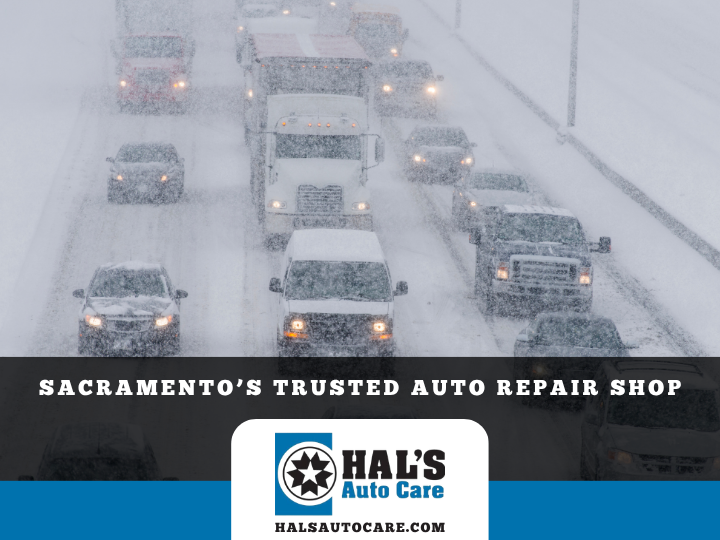
You leave Arden-Arcade before sunrise on a December morning, and the valley has disappeared into gray. Tule fog sits so thick on Watt Avenue that the traffic signals seem to float in the air. You turn the climate control to defrost, and nothing happens. The air stays cool, the inside of the windshield clouds over, and you're trying to see through fog on both sides of the glass. If your car heater is not working in Sacramento, this is where it hurts most. It isn't the cold, which is usually mild here. It's the loss of visibility on the mornings when you can least afford it.
Most heater and defroster problems trace back to a short list of causes. On the heating side, the usual suspects are low coolant, a thermostat stuck open, trapped air, a clogged heater core, or a failed fan, blend door, or control. On the defrosting side, a weak A/C system is a common and often overlooked culprit. Your defroster needs both working together to clear fog quickly. Hybrids and electric vehicles add their own heating systems to the picture.
At Hal's Auto Care, a family-owned shop serving Sacramento since 1979, we help you sort out which part of the system is at fault before recommending any repair. We'll tell you what needs attention now and what can wait. This guide walks through how the system works, what goes wrong, and how to make a sound decision for your vehicle.
Two Kinds of Fog: Outside and Inside the Glass
Tule fog is the defining winter driving hazard in the Sacramento Valley. It forms on cold, calm nights after winter rain, when moisture near the ground cools and condenses into dense fog. It often lingers through the morning commute and can cut visibility to almost nothing on I-80, US 50, and the Capital City Freeway.
You can't do anything about the fog outside your car. You can do a great deal about the fog inside it. When you get into a cold car on a damp morning, the moisture from your breath, wet jackets, and rain-soaked floor mats condenses on the cold glass. Without a working defroster, that inner layer builds faster than you can wipe it away. Now you're looking through two layers of fog instead of one.
That's why a heater and defroster problem in Sacramento is a safety issue first and a comfort issue second. Clearing the inside of the glass quickly, and keeping it clear, gives you every bit of visibility the outside conditions allow.
How Your Defroster Clears the Glass
Your defroster combines two systems that most drivers think of as opposites: heat and air conditioning.
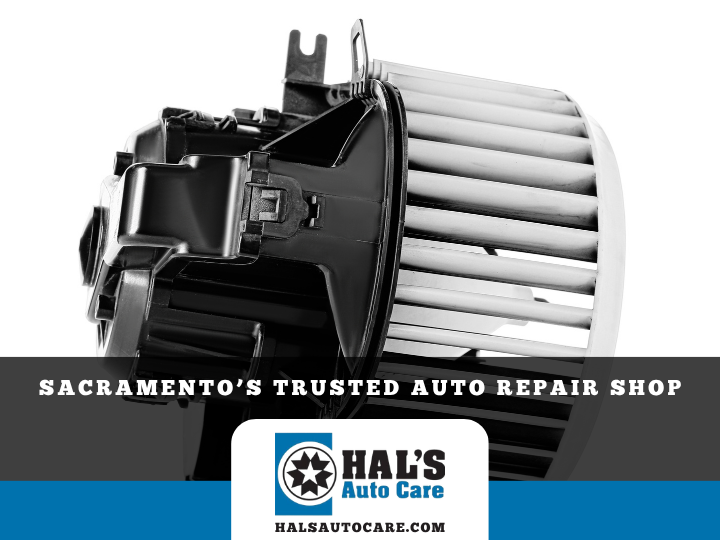
On gasoline and diesel vehicles, heat comes from the engine. Coolant flows through the engine, picks up heat, and passes through the heater core, a small radiator behind your dashboard. A blower fan pushes air across the heater core, and blend doors inside the dash control how much air passes through it and where it goes.
The A/C's job in defrosting is to dry the air. On most modern vehicles, choosing the defrost setting automatically turns on the A/C compressor, even in winter. As air passes over the cold A/C evaporator, moisture condenses out of it. That dry air is then heated and sent to the windshield. Warm, dry air absorbs moisture from the glass far faster than warm, humid air can.
When either half of that team is weak, the defroster suffers. A healthy heater with a weak A/C will blow warm air that fogs the glass. A healthy A/C with a weak heater will blow dry air that's too cool to clear frost or keep the glass warm. To clear the glass fast, you need both.
Is It the Heater, the A/C, or Both?
The quickest way to understand your problem is to notice what the air feels like.
If the Air Is Cold or Lukewarm
When the air itself won't get warm, the problem is on the heating side. The most common causes:
- Low coolant. The heater core often goes short first. Look for heat that fades at idle and returns when you accelerate. If coolant is low, it's leaking somewhere, and that leak matters to your engine.
- A thermostat stuck open. The engine runs too cool, the heat stays lukewarm, the temperature gauge sits lower than usual, and the heat weakens on the freeway. A check engine light often comes with it.
- Trapped air in the cooling system. Air pockets block coolant from reaching the heater core. You may hear gurgling behind the dashboard. Many vehicles need a specific bleeding procedure to clear it.
- A restricted heater core. Old coolant allows scale and deposits to build inside the core's narrow passages, gradually choking off the heat.
- A blend door or actuator failure. The small motor that moves the blend door can fail. That leaves the system stuck on cold, or one side of the cabin warm and the other cold, often with a clicking noise behind the dash.
- A blower problem. If air barely moves, the blower motor, its resistor or speed control, or a clogged cabin air filter may be to blame. A fan that only works on high usually means a failed resistor.
If the Air Is Warm but the Glass Won't Clear
When you can feel warm air on the windshield but the fog keeps winning, look at the drying side:
- The A/C isn't working. Low refrigerant, a compressor that won't engage, or an electrical fault in the A/C controls leaves the defroster blowing humid air. This is one of the most common defroster complaints we see, and it often goes back to an A/C problem that was put off when summer ended.
- Recirculation is on. Recirculated air holds the moisture already in the car. Fresh outside air usually defrosts better, even on a damp morning.
- The inside of the glass is dirty. Over time, plastics in the cabin release vapors that leave a film on the glass. Smoke from wildfire season can add more. Fog clings to that film. A thorough cleaning of the inside of the windshield can make a noticeable difference.
- There's a coolant leak in the cabin. A greasy fog that smears when you wipe it, a sweet smell, or damp carpet on the passenger floor can mean the heater core is leaking coolant vapor into the car. That needs prompt attention.
If Both Seem Weak
Sometimes the heat is lukewarm and the glass won't clear either. A clogged cabin air filter, a weak blower, or a problem in the climate control module or sensors can affect everything at once. That's when careful electrical and system diagnosis matters most.
Hybrids and EVs Heat Differently
Sacramento has a lot of hybrids and electric vehicles on the road, and their heating systems work differently from a conventional car's. Understanding the difference helps you know what's normal.
Hybrids. Many hybrids still rely on the gasoline engine for cabin heat. On cold or foggy mornings, the engine may start and run more than you're used to, even at a stoplight, because the vehicle needs heat for you and for the defroster. That's often perfectly normal. Many hybrids also use electric coolant pumps to keep warm coolant moving when the engine shuts off. If your heat drops every time the engine stops, one of those components may need attention.
Electric vehicles. With no engine heat available, EVs warm the cabin electrically. Many use an electric heater, a heat pump, or a combination of the two, and many route that heat through a coolant loop that also manages battery temperature. Running the heat uses battery energy, so you'll typically see some reduction in range on cold mornings. That's expected. A heater that blows cold, warning messages about the thermal system, or a sudden, large range drop are not normal and deserve diagnosis.
Hybrid and EV climate systems tie into high-voltage components and complex software. Diagnosing them takes training and equipment designed for these vehicles, and that's work we do every day.
Valley Heat and Your Winter Heater
Here's a connection many Sacramento drivers don't make. The same coolant that warms your cabin in winter protects your engine in summer, and our summers are brutal on it.
Long stretches of hundred-degree afternoons, stop-and-go traffic on Arden Way and Fulton Avenue, and highway runs on I-80 in the heat keep cooling systems working at their limit for months. Rubber hoses harden, plastic components grow brittle, coolant breaks down faster, and small seeps develop. Many of those problems stay quiet until the weather cools and you ask the heater to work. A weak heater in December is often the first sign of cooling system wear that started in July.
That timing works in your favor. Finding and fixing a cooling problem in winter means you go into next summer with a healthy system. The alternative is discovering it on the shoulder of US 50 in the middle of a heat wave.
Sacramento Driving: Freeway Fog, Short Trips, and Sierra Climbs
How you drive around Sacramento shapes how heating problems show up, and why they matter.
Commuters on I-80 toward Roseville, on US 50 toward Rancho Cordova, and on the Capital City Freeway into East Sacramento spend steady time at highway speed, often in the worst of the morning fog. That's when a thermostat stuck open shows itself, as heat that gets weaker the longer you drive. It's also when a weak defroster is most dangerous, because traffic can slow suddenly in poor visibility.
Neighborhood driving along Fair Oaks Boulevard through Carmichael and Fair Oaks, or on Watt Avenue and El Camino Avenue up toward North Highlands and Citrus Heights, involves a lot of stops and starts. If your heat fades at every red light and recovers when you move, low coolant or trapped air is a likely cause.
Many local trips are short. A quick run of a mile or two may not warm the engine fully on a cold morning, so the heat may never reach full strength. That can be normal. Weak heat after twenty minutes on the freeway isn't.
Then there are the mountains. Plenty of Sacramento families head up I-80 toward Donner Summit or out US 50 toward Lake Tahoe in winter. Those drives climb from the valley floor into freezing temperatures, snow, and chain controls. Your heater and defroster go from occasionally useful to essential in about an hour. Find a weak system before the trip, not on the climb.
What Happens If You Keep Putting It Off
Some heater problems are safe to postpone. A blower that only works on high, or a blend door that leaves the passenger side a little cool, is an inconvenience. If your windshield stays clear and your engine is healthy, it's reasonable to plan that repair around your schedule.
Other causes shouldn't wait. If your heat is gone because coolant is leaking, the same leak will matter much more when summer arrives and your engine works its hardest. Overheating can warp a cylinder head or damage a head gasket, which are among the most expensive engine repairs. On an older vehicle, damage like that can force a choice between repairing and replacing.
And when tule fog season arrives, a defroster that can't keep the inside of the glass clear puts you and everyone around you at risk. The honest answer is that some problems can wait and some can't. A proper diagnosis tells you which one you have.
What a Thorough Diagnosis Includes
Heater and defroster problems involve the engine's cooling system, the A/C, the airflow system, and the electronic controls that tie them together. A careful diagnosis checks each one instead of guessing:
- Clarify the symptom. We want to know whether the air is cold, or warm but unable to clear the glass. We also ask when it happens and whether there's any smell, film, or temperature gauge change.
- Check the coolant. That covers its level and condition, plus a pressure test to find leaks that don't leave a puddle.
- Check the A/C performance. Since the defroster depends on the A/C, we confirm that the compressor engages and the system is drying the air effectively.
- Run diagnostic testing. We look at engine temperature data, stored codes, and climate control operation, including whether the blend door actuators respond.
- Compare the heater hoses. If both are hot and the air is cold, the issue is airflow or the blend doors. If one is notably cooler, flow through the heater core is restricted.
- Check the airflow. That means the blower motor, its speed control, and the cabin air filter.
- Test hybrid and EV systems. On these vehicles, we check electric coolant pumps, heaters, heat pumps, and the related software.
The goal is simple: identify the actual cause, then match the repair to it. You can learn more on our [A/C repair page] and our [hybrid and EV service page].
What Shapes the Cost of Heater and Defroster Repair
Because so many different parts can cause the same symptom, the cost varies widely. The diagnosis is what tells you where you stand. Here's what affects it most.
Which system is at fault. A cabin air filter, blower resistor, or thermostat is typically a modest repair. A/C repairs range from simple to more involved, depending on whether the system needs a leak repair, a recharge, or a component. A heater core is often one of the most labor-intensive repairs, because on many vehicles much of the dashboard must come out to reach it.
Vehicle design. Labor time for the same part varies a great deal between makes and models.
Hybrid and EV systems. Electric heating components and thermal management systems require specialized diagnosis and parts. Accurate testing up front keeps the repair focused on what actually failed.
Parts quality. Heating, cooling, and A/C components work under heat and pressure year-round in our climate. Quality parts cost less over time than replacing the same part twice.
Timing is the biggest factor of all. Repairing a small coolant leak in winter costs a fraction of what an overheated engine costs in summer. Taking care of the systems that protect your engine is one of the most cost-effective ways to keep a vehicle dependable for years, and that's what lowers your cost per mile over the life of the vehicle.
Getting Ready for Fog Season
The best time to test your heater and defroster is before the fog arrives. In October or November, run the heat on full, cycle through each vent setting, and turn on both the front and rear defrosters. Make sure the A/C engages on the defrost setting. If anything is slow or weak, you'll have time to deal with it on your terms.
We base maintenance recommendations on your vehicle's condition and how you use it, not on a one-size-fits-all chart. Coolant can be tested for its protection and condition, and an A/C performance check shows whether the system is drying the air the way it should. A vehicle that sits in summer traffic every day, or climbs into the Sierra every winter, deserves a closer look than one that makes easy trips around town.
A few simple habits help:
- Clean the inside of your windshield before the rainy season starts.
- Replace worn wiper blades so you can clear the outside of the glass as well as the inside.
- Use fresh air rather than recirculation when defrosting.
- Drive in fog with your low beams. High beams reflect off fog and reduce what you can see.
- Check your coolant reservoir monthly with the engine cold, and never open a hot radiator cap.
If your vehicle is still under warranty, keep a record of every service, including the date, mileage, and work done. Those records protect you if a warranty question ever comes up. You can also check for any open recalls free of charge through NHTSA's online recall lookup.
How Hal's Auto Care Handles Heater and Defroster Problems
Hal's Auto Care has been family-owned and serving Sacramento since 1979. Our approach has always been the same: honest assessments, clear explanations, and recommendations that put your vehicle's long-term health ahead of a quick sale.
When your heater or defroster isn't doing its job, we start with diagnostic testing to pinpoint the cause. That may lead to the A/C, the electrical system, the engine, or, on hybrids and EVs, the electric heating and thermal systems. Then we explain what we found in plain terms. You'll know what matters now, what can wait, and why.
We take a long-term view of every vehicle we service. Our goal is to keep you safe on foggy freeways and mountain roads, help you avoid surprises, and keep your vehicle dependable for many years. When you're ready, you can [schedule an appointment online] or call us directly.
Frequently Asked Questions
Why does my windshield fog up so fast on foggy Sacramento mornings?
Damp air, wet clothing, and your breath put moisture into a cold cabin, and it condenses on the glass. Your defroster relies on the A/C to dry the air and the heater to warm it. If either is weak, fog builds faster than the system can clear it. Using fresh air instead of recirculation and keeping the glass clean also help.
My heater blows warm, but the windshield still won't clear. What's wrong?
That usually points to the A/C side of the system. On most vehicles, defrost uses the A/C to remove moisture, so low refrigerant or a compressor that won't engage leaves you with warm, humid air. An A/C performance check can confirm it.
Is it normal for my hybrid's engine to run more on cold mornings?
Often, yes. Many hybrids run the gasoline engine more in cold weather to supply heat for the cabin and defroster. If the heat disappears every time the engine shuts off, though, a component such as an electric coolant pump may need attention.
Why does my EV lose range when I use the heater?
Electric vehicles heat the cabin using battery energy, so some range reduction in cold weather is expected. A heater that won't warm up, warning messages about the thermal system, or an unusually large range drop should be diagnosed.
How much does it cost to fix a car heater or defroster?
It depends on what's causing the problem. A thermostat, cabin filter, or blower resistor is usually a modest repair, while A/C repairs and heater cores range from moderate to more involved. A careful diagnosis is the most cost-effective first step, because it keeps you from paying for repairs you don't need.
Should I get my heater checked before driving to Tahoe in winter?
Yes. Trips up I-80 or US 50 take you from mild valley weather into snow and freezing temperatures quickly. A heater and defroster that seem fine around town can struggle in the mountains. A quick check before the trip is far better than finding out on the climb.
Can I keep driving with a weak heater until spring?
Sometimes. If the cause is a comfort issue and your windshield stays clear, it can often wait. If the cause is a coolant leak, or your defroster can't keep the glass clear in fog, it shouldn't wait. A diagnosis tells you which situation you're in.
Clear Glass, Warm Cabin, and Peace of Mind
A car heater not working in Sacramento matters most on the mornings when visibility is already poor. Often the fix is straightforward. Sometimes it's an early warning that protects your engine before the summer heat returns. Either way, the best first step is an honest diagnosis from people who will explain what they find and respect your decision.
Whether you commute on I-80, US 50, or the Capital City Freeway, or stay close to home in Arden-Arcade and Carmichael, the team at Hal's Auto Care is ready to help you see clearly this winter. Give us a call, schedule online, or stop by the shop.
Hal's Auto Care
2425 Tower Ave, Sacramento, CA 95825
(916) 485-9215
https://halsautocare.com/
You can watch the video