Engine overheating
Engine overheating
Why Is My Engine Overheating? A Complete Guide for Drivers in Sacramento, CA
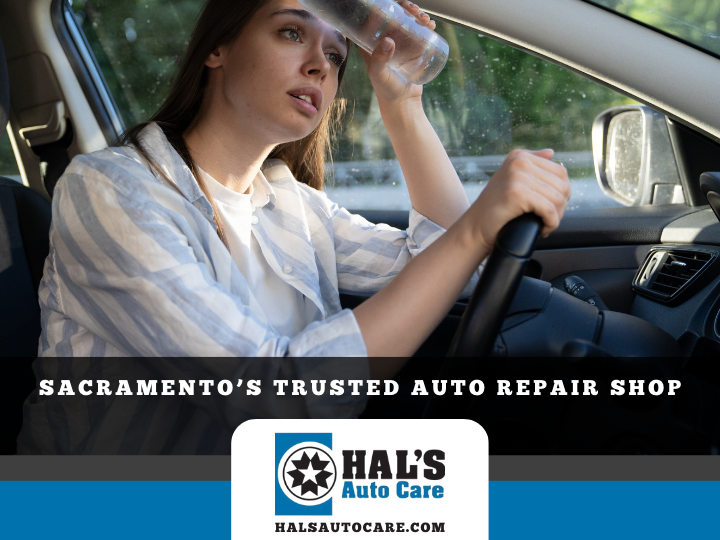
A rising temperature gauge. A glowing warning light. Steam rolling out from under the hood as you sit at a red light on Arden Way, Howe Avenue, or I-80. Few vehicle problems feel as alarming—or as urgent—as an overheating engine.
But here’s the part most drivers never get told clearly:
Engines do not overheat for no reason. Overheating is the visible symptom of a deeper mechanical problem that’s been building for some time.
In and around Sacramento, Arden-Arcade, Carmichael, Fair Oaks, Citrus Heights, Rancho Cordova, East Sacramento, Midtown, and the greater Sacramento Valley, vehicles face intense summer heat, stop-and-go traffic, aging infrastructure, and long freeway runs. That combination puts serious demand on your cooling system.
This guide walks you through:
- What “overheating” really means
- The most common causes of engine overheating
- Early warning signs to watch for
- Exactly what to do the moment your engine starts to run hot
- The real damage overheating can cause
- How professional technicians diagnose the root problem
- Preventive steps to keep your vehicle from overheating in Sacramento’s heat
By the end, you’ll understand not just that the engine is overheating—but why, and what to do about it.
Section 1: What Engine Overheating Actually Means
Your engine operates within a very specific temperature range on purpose. Within that range:
- Metal parts expand as designed
- Oil lubricates and cools properly
- Gaskets and seals hold pressure
- Sensors read accurately
When your engine overheats, that balance breaks.
Overheating means:
- Heat is being produced faster than the cooling system can remove it.
Combustion creates extreme heat, and the cooling system’s job is to move that heat out of the engine and into the air. - Coolant is not doing its job effectively.
Either there isn’t enough coolant, it’s not circulating correctly, or it can’t shed heat through the radiator. - Metal components and seals are expanding beyond their design.
Cylinder heads, gaskets, and other engine parts deform under excessive heat. - Engine oil loses its protective strength.
High temperatures thin out and break down oil, reducing its ability to protect moving parts. - Damage can begin in minutes—not hours.
Once an engine is in the red zone, you’re on borrowed time mechanically.
Overheating isn’t just an inconvenience; it’s a sign that something critical in the cooling or lubrication system has failed or is failing.
Section 2: The Most Common Causes of Engine Overheating
The good news: overheating always has a cause. The bad news: if ignored, that cause can lead to major internal damage.
Here are the most common reasons engines overheat, especially for drivers in the Sacramento area.
1. Low Coolant Level
Coolant (antifreeze) is what carries heat away from the engine and into the radiator. When coolant is low, it can’t absorb and move heat effectively.
Causes of low coolant include:
- Leaking radiator
- Cracked or soft hoses
- Loose hose clamps
- Leaking water pump
- Failing heater core
- Faulty radiator cap that can’t hold pressure
- Internal engine problems such as a failing head gasket
In Sacramento’s heat, a slow coolant leak can turn into a sudden overheating episode very quickly—especially in freeway traffic on Highway 50, I-80, or Business 80.
2. Cooling Fan Problems
When you’re stuck at a long light on Fulton Avenue, Watt Avenue, or in stop-and-go traffic near Downtown, there isn’t enough natural airflow across the radiator. That’s when the electric cooling fan becomes critical.
If the cooling fan isn’t working properly, your engine will often:
- Overheat at idle or in city traffic
- Run cooler once you’re moving at highway speed
Common fan issues include:
- Burned-out fan motor
- Failed relay
- Blown fuse
- Faulty temperature sensor
- Wiring or connector problems
Without an operating fan, the radiator can’t do its job when the vehicle isn’t moving fast enough.
3. Water Pump Failure
The water pump circulates coolant through the engine and radiator. If it fails, coolant can’t move properly—and heat builds quickly.
Signs of a failing water pump:
- Coolant leaks at the front of the engine
- Squealing, grinding, or growling noises near the pump
- Overheating that worsens with engine speed
- Steam or visible coolant around the water pump area
A weak or failing water pump is a common root cause of repeated overheating.
4. Stuck Thermostat
The thermostat regulates when coolant flows between the engine and radiator. It opens and closes based on temperature.
- If it sticks
closed, coolant stays trapped in the engine, and the temperature climbs rapidly.
- If it sticks
open, the engine may run too cool, which can cause other issues—but the real emergency is a thermostat stuck closed.
A stuck-closed thermostat often presents as a fast climb on the temperature gauge soon after driving, even on a relatively mild day.
5. Radiator Problems
The radiator’s job is to shed heat from hot coolant into the outside air. Over time, it can lose effectiveness due to:
- Internal clogging from old coolant and deposits
- External blockage from dirt, bugs, leaves, or debris
- Corrosion, especially with old or contaminated coolant
- Cracks or leaks in the core or plastic end tanks
In the Sacramento region—between heat, dust, and long freeway runs—radiators take a beating. A partially clogged radiator may cool “just enough” in cooler weather but completely struggle once summer arrives.
6. Blocked Coolant Passages
Inside the engine and radiator are many narrow passages for coolant to flow. When coolant is not serviced at proper intervals, these passages can build up:
- Rust
- Scale
- Sludge
- Mineral deposits
That buildup restricts flow, creates hot spots, and contributes directly to overheating—especially under load, like when driving up grades or cruising at highway speeds toward Roseville, Folsom, or Elk Grove.
7. Head Gasket Issues
The head gasket seals the space between the engine block and cylinder head. When it fails, coolant, oil, and combustion gases can mix in ways they absolutely should not.
Head gasket problems can:
- Allow coolant into combustion chambers
- Push exhaust gases into the cooling system
- Cause rapid overheating
- Lead to coolant loss with no obvious external leak
Symptoms of a failing head gasket often include:
- White smoke from the exhaust
- Bubbles in the coolant reservoir
- Milky, contaminated oil
- Rough running or misfires
- Fast overheating soon after start-up
A head gasket failure can be both the cause and the result of severe overheating.
8. Air Pockets in the Cooling System
Air pockets can form in the cooling system when:
- Coolant is refilled improperly
- There are small leaks
- A component has recently been replaced and the system wasn’t bled correctly
Air pockets prevent coolant from circulating properly and often create strange, inconsistent symptoms:
- Temperature gauge swings up and down
- Heater blows cold or inconsistent air
- Overheating appears “random”
Bleeding air from the system is a critical step after cooling system repairs.
9. Low or Degraded Engine Oil
Engine oil doesn’t just lubricate—it also helps carry heat away from critical engine components.
When oil is:
- Very low
- Extremely old
- Broken down from high heat
The engine runs hotter, friction increases, and the risk of overheating rises dramatically—especially in Sacramento’s summer temperatures and freeway conditions.
Section 3: Early Warning Signs Before the Engine Overheats
Most overheating situations send signals before things get serious. If you catch them early, you can avoid major damage.
Watch for:
- Temperature gauge reading higher than normal—even if not yet in the red
- Sweet or chemical smell (coolant odor) from the engine bay
- Coolant spots or puddles on the driveway or parking lot
- Steam shortly after shutting the car off
- Heater working inconsistently or blowing cool air when it should be hot
- Cooling fan running more often or sounding unusual
- Warning lights for temperature or engine systems
Drivers in Arden-Arcade, Carmichael, East Sacramento, Rancho Cordova, Fair Oaks, and nearby neighborhoods often notice these symptoms in heavier traffic or during hot afternoon commutes.
These are opportunities to act before the engine crosses into severe overheating.
Section 4: What To Do If Your Engine Starts Overheating
If your temperature gauge starts climbing rapidly, or you see steam, you are in an active overheating situation. How you respond next matters.
Step 1: Turn Off the A/C
This immediately reduces load on the engine.
Step 2: Turn the Heater On Full Hot
It may feel uncomfortable, but turning the heater to maximum helps pull heat away from the engine and into the cabin.
Step 3: Safely Pull Over
As soon as it’s safe, pull over and park. Do not keep driving “just a little farther” to get home or to an exit. Those extra minutes can be the difference between a repairable issue and severe internal damage.
Step 4: Turn Off the Engine
Shut the engine off to stop adding combustion heat.
Step 5: Do NOT Open the Radiator Cap While Hot
Coolant under pressure can erupt and cause serious burns. Even the reservoir cap should not be opened until the engine has fully cooled.
Step 6: Wait for the Engine to Cool Completely
Depending on weather, it may take 15–45 minutes or more for the engine to cool down. Rushing this step is dangerous.
Step 7: Arrange for Inspection
If coolant is visibly leaking, if the engine overheats again shortly after cooling, or if the temperature gauge behaves erratically, the vehicle needs a professional cooling system inspection before being driven further.
Section 5: The Damage Overheating Can Cause
Engine overheating is not something you can just “shrug off.” Even a single severe overheating event can cause:
- Warped cylinder heads
- Blown head gasket
- Cracked engine block or head
- Melted plastic components, sensors, and connectors
- Rapid breakdown of engine oil
- Damage to the catalytic converter
- Internal coolant and oil contamination
Left unchecked, overheating can turn a drivable vehicle into one with major engine damage that affects its long-term reliability and performance.
Section 6: Why Overheating Is Common in Sacramento and the Surrounding Area
The Sacramento region creates a perfect storm of conditions that stress cooling systems:
1. Intense Summer Heat
High ambient temperatures in Sacramento, Arden-Arcade, Carmichael, Fair Oaks, and Citrus Heights mean the cooling system has less temperature difference to work with when trying to shed heat.
2. Stop-and-Go Traffic
Congestion on Highway 50, I-80, Business 80, Howe, Fulton, Watt, and Fair Oaks Blvd reduces airflow through the radiator and increases reliance on the cooling fan.
3. Long Freeway Runs
Extended higher-speed driving to and from areas like Roseville, Folsom, Elk Grove, Rancho Cordova, and Downtown Sacramento puts sustained load on the engine, generating more heat.
4. Aging Vehicles
Many vehicles in the region have significant mileage and original cooling components that are simply past their prime.
5. Seasonal Temperature Swings
Cool mornings, hot afternoons, and seasonal shifts cause expansion and contraction cycles in hoses, gaskets, and plastics—eventually leading to cracks and leaks.
Because of these factors, regular cooling system maintenance is especially important in and around Sacramento.
Section 7: How Professional Technicians Diagnose Overheating
A true overheating fix starts with a proper diagnosis. Topping off coolant without understanding why it was low is not a repair—it’s a temporary bandage.
A professional diagnostic process typically includes:
Cooling System Pressure Test
This test checks for leaks in:
- Radiator
- Hoses and clamps
- Heater core
- Water pump
- Engine sealing points
Thermostat Testing
Technicians verify that the thermostat opens and closes at the correct temperature and allows proper flow.
Cooling Fan and Electrical System Testing
They confirm:
- Fan operation at proper temperature thresholds
- Relay and fuse condition
- Sensor inputs and control signals
- Proper operation at idle and with A/C on
Water Pump Evaluation
This includes checking for:
- Leaks around the pump
- Worn bearings or noisy operation
- Proper belt tension and drive
- Adequate coolant circulation
Radiator Inspection and Flow Evaluation
Technicians look for:
- External blockage in the fins
- Internal restrictions
- Cold spots revealing poor flow
- Cracks, splits, or seeping along the core or tanks
Coolant Condition Check
Coolant is evaluated for:
- Correct mixture strength
- Rust, debris, or sludge
- Signs of oil contamination
Head Gasket and Combustion Leak Testing
Tests can detect exhaust gases entering the cooling system—a strong indication of head gasket or head damage.
This comprehensive approach isolates the real cause of overheating and helps prevent repeat failures.
Section 8: How To Prevent Engine Overheating
The best overheating repair is the one you never need. A proactive approach to cooling system maintenance dramatically reduces the chance of being stuck on the shoulder in Sacramento heat.
Key preventive actions include:
1. Regular Cooling System Inspections
At least once a year—or before peak summer—have a technician inspect:
- Hoses and clamps
- Radiator condition
- Coolant level and quality
- Water pump and belt condition
- Radiator cap function
2. Timely Coolant Exchanges
Old coolant loses its protective additives and can become corrosive. Fresh coolant helps prevent internal rust, scale, and buildup that block passages.
3. Monitoring the Temperature Gauge
Pay attention to small changes. If the gauge runs hotter than normal—even if not yet in the red—that is a signal something is changing.
4. Keeping Oil Fresh and at the Correct Level
Clean, properly filled oil helps manage engine heat from the inside. Running low or skipping oil services puts added thermal stress on the engine.
5. Responding Quickly to Leaks or Smells
Coolant spots on the driveway, a sweet smell, or minor steam are early warning signs. Dealing with them early can prevent big problems later.
6. Pre-Trip and Seasonal Checks
Before long trips out of Sacramento—whether toward the Bay Area, Tahoe, or farther south—and before the hottest months of the year, a cooling system inspection is a smart step.
Section 9: When You Should Get an Immediate Inspection
You should schedule a cooling system and overheating inspection immediately if you notice:
- Temperature gauge consistently reading higher than normal
- Engine overheating at idle, in traffic, or on hot days
- Steam or visible vapor from under the hood
- Sweet smell from the engine area
- Repeated need to top off coolant
- Heater working inconsistently or blowing cold
- Cooling fan running constantly or not at all
- Any recent overheating event, even if it “went back to normal” after cooling down
Overheating is rarely a one-time fluke. It is the engine’s way of telling you something is wrong.
Section 10: Professional Cooling System and Overheating Repair in Sacramento, CA
For drivers throughout Sacramento, Arden-Arcade, Carmichael, Fair Oaks, Citrus Heights, Rancho Cordova, East Sacramento, Midtown, and the surrounding communities, having a trusted shop to diagnose and repair overheating is essential for long-term vehicle health.
Hal’s Auto Care provides:
- Complete overheating diagnostics
- Cooling system pressure testing
- Radiator inspection and replacement
- Thermostat testing and replacement
- Water pump inspection and replacement
- Cooling fan and electrical diagnostics
- Coolant leak detection and repair
- Coolant exchange services
- System bleeding to remove air pockets
- Post-overheating inspections to evaluate engine health
If your engine has started to run hot—or if you’ve already seen that temperature gauge climb into the danger zone—the safest move is to have your cooling system inspected before further damage occurs.
Hal’s Auto Care
2425 Tower Ave
Sacramento, CA 95825
Phone: (916) 485-9215
Website: https://halsautocare.com/services/
You can watch the video