What do I do if my sun roof is leaking?
What do I do if my sun roof is leaking?
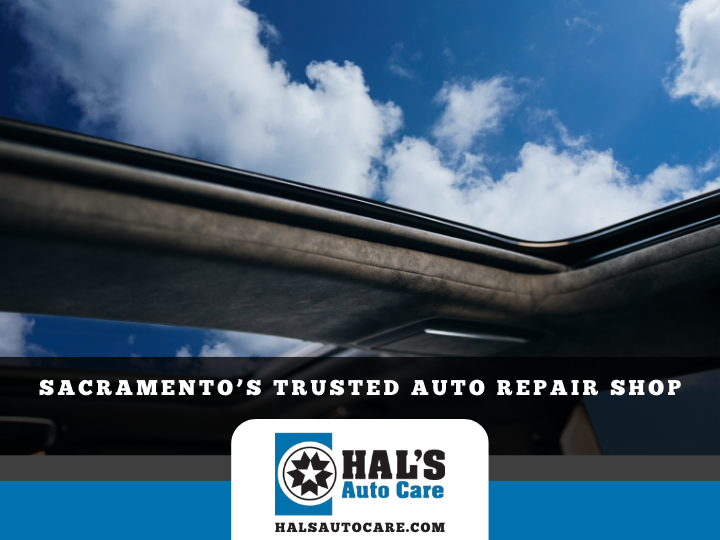
What Do I Do If My Sunroof Is Leaking? Causes, Risks, and the Right Way to Fix It
You get into your car after a storm, start driving down the road, and something doesn’t feel right. The air smells damp. The headliner looks a little darker in one spot. Maybe you feel a drip hit your arm or see water tracing a line down the A-pillar. You look up and realize your sunroof is leaking.
It can be confusing. The glass looks intact. The sunroof is fully closed. There are no obvious cracks. So how is water getting inside?
The key thing most drivers don’t know is this: your sunroof is not designed to be completely watertight. It’s part of a controlled drainage system. Water is supposed to get past the outer seal—but then it should be collected in a tray and routed out of the vehicle through drain tubes. When that system is clogged, worn, misaligned, or damaged, water has nowhere to go except into the interior.
Drivers across Sacramento, Arden-Arcade, Carmichael, Fair Oaks, Citrus Heights, Rancho Cordova, Folsom, North Highlands, Natomas, and East Sacramento deal with a mix of winter rains, summer heat, tree debris, and dust that puts extra stress on sunroof systems. If your sunroof is leaking, it’s not just an annoyance. It’s a sign that something in that system has failed.
In this guide, you’ll learn:
- The real reasons sunroofs leak
- Why a small drip can turn into a big problem
- Immediate steps to take when you notice the leak
- Why DIY solutions often create more damage
- How professionals diagnose and repair leaking sunroofs
- How Sacramento’s climate and environment make sunroof leaks more likely
- How to prevent leaks before they start
Why Sunroofs Leak: The Real Causes Behind the Drips
A leaking sunroof is not usually about “bad glass.” It’s about the system that manages water around the sunroof opening. That system includes:
- The glass panel
- The sunroof tray and frame
- Tracks and moving mechanisms
- Rubber weather seals
- Drain channels and tubes routed through the body
If any one of these components stops doing its job, water finds the path of least resistance—into the cabin.
1. Clogged Sunroof Drain Tubes
This is the most common cause of a leaking sunroof.
Under the sunroof glass, there’s a tray with channels that direct water into drain tubes. These tubes run down inside the pillars and exit underneath the vehicle. Over time, these tubes can clog with:
- Oak and sycamore leaves
- Pollen and flower debris from tree-lined streets in Carmichael and Fair Oaks
- Dust and dirt blown in during Sacramento’s hot, dry summers
- Tiny gravel and grit kicked up on local roads
- Organic debris from parking under trees in Arden-Arcade or East Sacramento
When the drain tubes clog:
- The tray fills like a bathtub
- Water spills over the sides of the tray
- It seeps into the headliner, pillars, and interior panels
- It may drip from the overhead console or run down the windshield or door frames
This type of leak often shows up during heavy winter storms or the first big rain after a long, dry summer.
2. Worn, Cracked, or Shrinking Sunroof Seals
The rubber seal around the sunroof is not meant to keep out all water; it’s meant to guide water into the tray and slow the flow. But over time, that seal can:
- Dry out
- Crack
- Flatten
- Shrink away from the edges
Sacramento’s hot summers, high UV exposure, and heat cycles in parking lots accelerate this process. Vehicles parked outside in Sacramento, Arden-Arcade, Citrus Heights, and Rancho Cordova are especially vulnerable.
When the seal deteriorates, more water than normal bypasses it and hits the tray all at once. If the drains are partially clogged or slow, the system can’t keep up—and water finds its way into the interior.
3. Misaligned Sunroof or Track Issues
Your sunroof glass has to sit correctly in its frame. If it’s too high, too low, or slightly tilted, water can enter through small gaps.
Common causes of misalignment include:
- Wear in the rails and guides
- Debris lodged in the tracks
- A weakening or struggling motor
- Prior impact or body work
- Forcing the sunroof closed when something is obstructing it
Signs of misalignment can include:
- The sunroof closing with a rough or jerky motion
- Unusual sounds while opening or closing
- An uneven appearance when closed
- Visible gaps or one corner sitting higher than others
Even a slight misalignment is enough for water to get through during a strong Sacramento rainstorm.
4. Cracked or Damaged Sunroof Frame or Tray
The sunroof frame and tray can crack or warp due to:
- Structural flex over time
- Age and material fatigue
- Previous impact or accident
- Excessive force on the glass or frame
When the frame or tray cracks, water can bypass the designed channels and drain points, then escape directly into the headliner and pillars instead of exiting through the drains.
5. Hidden Body or Roof Damage
Body damage around the roof—whether from a collision, a fallen branch, or previous repairs—can change how the roof structure supports and seals around the sunroof.
Even a minor misalignment in the roof or support structure can:
- Alter seal pressure
- Change water flow paths
- Prevent the sunroof from seating correctly
You may not see the damage from the outside, but the leak is the symptom.
The Hidden Risks of Ignoring a Leaking Sunroof
Many drivers treat a sunroof leak as a nuisance and live with it for a while. That’s where the real problems begin. Water inside the car is never “just a little water.” It’s a long-term threat to the interior, the electronics, and the safety systems.
Here’s what a leaking sunroof can do if ignored.
1. Mold and Mildew Growth
Once water gets inside, it doesn’t just sit on the surface. It gets absorbed into:
- Carpet
- Padding under the carpet
- Seat foam
- Insulation in the headliner
- Sound deadening materials in the floor and pillars
In a climate like Sacramento, North Highlands, and Natomas, where temperatures can get warm and cars sit sealed for hours, trapped moisture quickly turns into mold and mildew.
That leads to:
- Musty odors
- Poor air quality inside the cabin
- Potential respiratory irritation for passengers
2. Damage to Electrical Systems and Wiring
Modern vehicles have a lot of wiring running through:
- Roof pillars
- Headliner areas
- Overhead consoles
- Sensor modules
Water from a leaking sunroof can reach:
- Dome light wiring
- Overhead control switches
- Sunroof motor connections
- Airbag wiring in the A- or B-pillars
- Antenna or sensor wiring
Water and electrical systems are a bad combination. Over time, this can cause:
- Intermittent electrical issues
- Corroded connectors
- Malfunctioning controls
- Sensor or module failures
3. Interior Material Damage
Interior components are not designed to get soaked repeatedly. Water intrusion can cause:
- Staining and sagging headliners
- Warped or discolored trim panels
- Degraded adhesives under carpeting and trim
- Premature wear on upholstery and foam
By the time you see visible damage, the water has often been spreading behind the scenes for weeks or months.
4. Hidden Rust and Corrosion
Water that finds its way into structural areas—like the floorpan, seat mounts, or lower pillars—can cause hidden rust and corrosion over time.
Even in California, where rust is less common than in snowy states, trapped interior moisture is a recipe for corrosion, especially in areas where water may pool under the carpet or at low points.
5. Airbag and Safety System Risks
If water reaches wiring or components related to side curtain airbags, it can:
- Corrode connectors
- Interfere with the deployment circuitry
- Create potential reliability issues
That’s one of the biggest reasons a sunroof leak is not just a comfort issue—it’s a safety issue that deserves proper attention.
Immediate Steps to Take When You Notice Your Sunroof Is Leaking
Before you can get your vehicle into a professional shop, there are steps you can take right away to reduce damage.
1. Gently Close the Sunroof and Avoid Repeated Cycling
If the sunroof is open or partially open, close it completely and gently. Avoid repeatedly opening and closing it to “test” it. If there’s a mechanical or alignment issue, repeated movement may make it worse.
2. Dry the Interior as Thoroughly as Possible
Use clean, absorbent towels to dry:
- The headliner where water is present
- Seats, door panels, and dashboard surfaces
- Floor mats and visible carpet
Removing as much moisture as you can right away slows down mold, mildew, and interior deterioration.
3. Protect the Interior if More Rain Is Coming
If the forecast calls for more rain and you can’t get the vehicle in for service immediately, a temporary waterproof cover over the roof area while parked can help limit additional intrusion. This is not a repair, but it buys you time.
4. Avoid Using Overhead Electronics
If you see or suspect water around the overhead console or dome lights, avoid using switches and buttons in that area. Water plus electricity increases the risk of short circuits.
5. Note When and Where the Leak Shows Up
Pay attention to:
- Whether the leak occurs while parked, while driving, or both
- Whether it is worse when the vehicle is facing uphill, downhill, or level
- Where the first drip appears (front, rear, center, left, right)
These details help a professional diagnose the root cause faster.
Why DIY Sunroof Leak Fixes Often Make Things Worse
It’s tempting to look for a quick fix online—especially if the leak seems small. But sunroof systems are more complex than they appear.
Here’s why common DIY attempts can backfire.
1. Forcing Objects Into Drain Tubes
Many online suggestions involve using:
- Wire
- Coat hangers
- Weed trimmer line
- Random tools
These can:
- Puncture the drain tubes
- Disconnect them from the tray
- Push debris deeper into the tube
- Create new leak points inside the pillars
Once a tube is damaged or disconnected, water may pour directly into the cabin.
2. Smearing Sealant or Silicone Around the Glass
Sealant might feel like a quick solution, but it usually:
- Blocks proper water flow into the tray
- Interferes with glass movement and alignment
- Cracks or peels under Sacramento’s summer heat
- Masks the true problem rather than fixing it
The sunroof and its seals are designed to move in a specific way. Random sealant interferes with that design.
3. Only Addressing the Seal, Not the System
Replacing or coating the seal without checking the drains, tracks, tray, and alignment is like fixing one part of a leaking roof and ignoring all the other holes.
Even if the seal looks old, it may not be the main issue.
4. Limited Access to Hidden Areas
Most of the sunroof drainage system is hidden behind interior panels and headliners. Without the right tools and process, you’re guessing—and guessing with water and wiring is risky.
How Professionals Diagnose and Repair a Leaking Sunroof
A proper repair starts with systematic diagnosis, not guesswork.
1. Comprehensive Visual Inspection
A trained technician will:
- Inspect the sunroof glass and perimeter
- Check seal condition
- Look for misalignment or gaps
- Examine areas where water is visible inside
This sets the foundation for deeper testing.
2. Drainage System Evaluation
The drain system is tested to determine:
- Whether water is flowing through the tubes normally
- Whether there are blockages or restrictions
- Whether all drain exits are clear and functioning
Special tools, controlled air, and water flow are used to avoid damaging the tubes.
3. Controlled Water Leak Testing
To see exactly how and where water enters, the technician will simulate rain under controlled conditions and observe:
- How quickly the tray fills and drains
- Whether water overflows from a specific corner
- Whether leaks appear at certain vehicle angles or positions
This helps pinpoint whether the primary issue is:
- Drain-related
- Seal-related
- Alignment-related
- Structural
4. Sunroof Track and Glass Alignment Correction
If misalignment is part of the problem, professionals can:
- Clean and inspect the tracks
- Adjust glass height and position
- Verify motor function and closing force
- Correct mechanical binding or wear where possible
Proper alignment ensures the glass seats exactly where the engineers intended.
5. Seal and Frame Assessment
Technicians evaluate:
- Seal flexibility and condition
- Cracks, flattening, or shrinkage
- Frame and tray integrity
- Any signs of previous incorrect repairs
If seals or frame components need replacement, they’re replaced with suitable parts and aligned correctly.
6. Interior and Electrical System Check
Because water travels, a complete repair also involves:
- Checking the headliner and pillars for soaked areas
- Lifting floor mats and inspecting carpet and underlay for moisture
- Looking for early signs of rust or corrosion
- Inspecting wiring and connectors in affected areas
This ensures that both the cause and the consequences of the leak are addressed.
How Sacramento’s Climate and Environment Stress Sunroof Systems
Living and driving in the Sacramento region adds unique challenges to the sunroof system:
1. Intense Summer Heat and UV Exposure
Hot summers in Sacramento, Arden-Arcade, Carmichael, and Citrus Heights dry and harden rubber seals faster than in milder climates. Over time, this leads to:
- Cracked seals
- Shrinkage
- Reduced sealing effectiveness
2. Winter Rain Bursts and Storms
When storms roll through the Sacramento area, rain can be heavy and concentrated. A compromised drain system may not be able to keep up, causing overflow into the cabin.
3. Tree Debris and Pollen
Neighborhoods in Fair Oaks, East Sacramento, and older residential areas often have mature trees. Leaves, pollen, and small debris fall onto the roof, collect around the sunroof, and eventually find their way into the drains and tracks.
4. Dust and Road Grit
Dry periods kick up dust and grit, especially in and around North Highlands, Rancho Cordova, and the broader Sacramento Valley. This dust settles into seals, tracks, and drainage areas and contributes to wear and clogging.
How to Prevent Sunroof Leaks Before They Start
You can’t control the weather, but you can protect your vehicle’s systems.
1. Have the Drains Inspected Periodically
Make drain inspection and, if needed, cleaning part of periodic maintenance—especially before the rainy season.
2. Keep the Sunroof and Surrounding Area Clean
Avoid operating the sunroof when:
- Leaves, sticks, or heavy debris are on the roof
- There is a heavy buildup of dust and pollen around the glass
- Ice or frost (in colder months) covers the edges
Debris pulled into the tracks and tray will almost always lead to problems later.
3. Park Smart When Possible
Parking away from heavy-shedding trees reduces the amount of organic material that ends up in the sunroof area.
4. Ask for Seal and Alignment Checks During Routine Visits
A quick inspection of seal condition, glass seating, and track cleanliness during service can catch early warning signs.
When to Schedule a Sunroof Inspection Right Away
You should schedule an inspection as soon as possible if you notice:
- Water dripping from the overhead console
- Damp or stained headliner
- Wet carpet or a persistent musty smell
- Water on the dashboard or near the pillars
- Foggy windows on otherwise dry days
- Visible water trails after a storm
These are signs that the system has already failed and water is moving into places it shouldn’t be.
Protect Your Vehicle From the Inside Out
A leaking sunroof is not a cosmetic issue—it is an internal systems issue. It affects:
- Your interior
- Your electronics
- Your safety systems
- Your long-term vehicle health
Professional diagnosis and repair:
- Identify the exact cause of the leak
- Restore proper drainage and sealing
- Protect wiring, airbags, and electronics
- Prevent mold, mildew, and interior deterioration
If your sunroof is leaking and you drive in Sacramento, Arden-Arcade, Carmichael, Fair Oaks, Citrus Heights, Rancho Cordova, Folsom, North Highlands, Natomas, or nearby areas, getting it properly inspected is the next right step.
Hal’s Auto Care – Sunroof Leak Diagnosis and Repair in Sacramento, CA
For drivers who want their vehicle professionally inspected and repaired by a team that understands both the mechanical and practical sides of sunroof leaks, expert service makes all the difference.
Hal’s Auto Care
2425 Tower Ave
Sacramento, CA 95825
(916) 485-9215
https://halsautocare.com/services/
You can watch the video