How can I tell if my catalytic converter is clogged
How can I tell if my catalytic converter is clogged

How Can I Tell If My Catalytic Converter Is Clogged?
The catalytic converter is a crucial component in your vehicle's exhaust system, designed to reduce harmful emissions and ensure your car runs efficiently. Over time, however, it can become clogged, leading to a host of performance issues and potential long-term damage to your engine. If you're experiencing sluggish acceleration, strange smells from your exhaust, or a lit check engine light, you might be dealing with a clogged catalytic converter. In this comprehensive guide, we'll dive deep into everything you need to know about identifying a clogged catalytic converter, including common symptoms, causes, diagnostic techniques, and preventive measures. Whether you're a DIY enthusiast or prefer professional assistance, understanding these signs can save you time and hassle.
At Hal’s Auto Care, located at 2425 Tower Ave, Sacramento, CA 95825, we specialize in exhaust system diagnostics and repairs. Give us a call at (916) 485-9215 or visit https://halsautocare.com/services/ for expert help. We proudly serve Sacramento and surrounding areas, including Elk Grove, Roseville, Folsom, Citrus Heights, Arden-Arcade, Carmichael, Fair Oaks, Rancho Cordova, West Sacramento, Davis, Woodland, Natomas, Land Park, East Sacramento, and Pocket-Greenhaven. Our team is here to get your vehicle back on the road smoothly.
Understanding the Catalytic Converter: What It Is and Why It Matters
Before we explore how to detect a clog, it's essential to understand what a catalytic converter does. Introduced in the 1970s as part of stricter environmental regulations, the catalytic converter is an emissions control device that converts toxic gases from your engine's combustion process into less harmful substances. It uses precious metals like platinum, palladium, and rhodium to facilitate chemical reactions that transform carbon monoxide into carbon dioxide, hydrocarbons into water and carbon dioxide, and nitrogen oxides into nitrogen and oxygen.
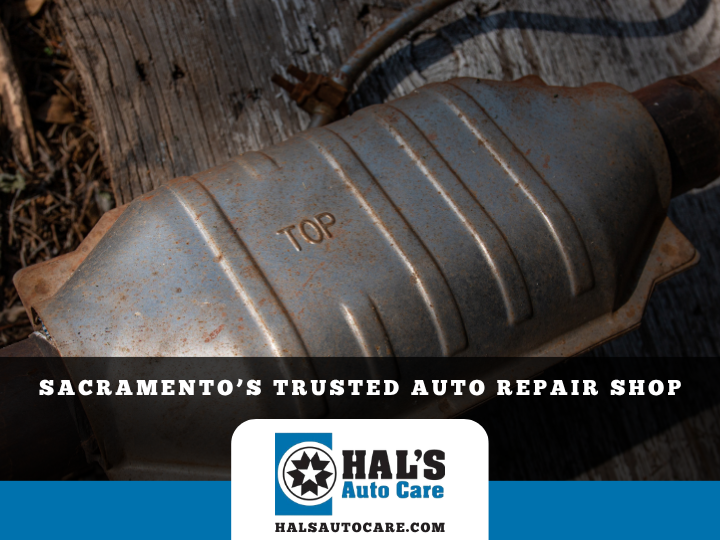
The converter is typically located in the exhaust system, between the engine and the muffler. It's a honeycomb-like structure inside a metal casing, allowing exhaust gases to pass through while maximizing surface area for the catalytic reactions. In modern vehicles, there are often multiple converters: a pre-catalytic converter close to the engine for quick warm-up and a main one further down the line.
Why does this matter? A functioning catalytic converter not only helps the environment by reducing pollution but also ensures optimal engine performance. When it clogs, exhaust gases can't flow freely, creating backpressure that strains the engine. This can lead to reduced power, increased fuel consumption, and even complete engine failure if ignored. Recognizing the signs early is key to maintaining your vehicle's health.
In areas like Sacramento, CA, where urban traffic and proximity to major highways like I-80 and I-5 lead to frequent stop-and-go driving, catalytic converters can face extra wear from idling and temperature fluctuations. Drivers in nearby Elk Grove or Roseville might notice these issues more during commutes to downtown Sacramento or longer trips.
Common Causes of a Clogged Catalytic Converter
A catalytic converter doesn't clog overnight; it's usually the result of underlying issues or wear over time. Understanding the causes can help you prevent problems before they escalate.
- Contamination from Engine Fluids: One of the primary culprits is the burning of oil or coolant in the combustion chamber. If your engine has worn piston rings, valve seals, or a blown head gasket, oil or antifreeze can enter the exhaust system. These substances coat the catalytic substrate, reducing its effectiveness and eventually causing a blockage.
- Unburned Fuel: Rich fuel mixtures, often due to faulty oxygen sensors, fuel injectors, or a malfunctioning mass airflow sensor, can lead to excess fuel entering the exhaust. This unburned fuel ignites inside the converter, melting the internal structure and creating clogs.
- Overheating: Frequent short trips prevent the converter from reaching its optimal operating temperature (around 400-600 degrees Fahrenheit), leading to carbon buildup. Conversely, extreme overheating from engine misfires can damage the honeycomb.
- Physical Damage: Road debris, potholes, or urban driving in areas like the busy streets around Folsom or Citrus Heights can dent or crack the converter, restricting flow.
- Aging and Wear: Over 100,000 miles, the catalytic materials degrade naturally, especially in older vehicles common in suburban towns like Arden-Arcade or Carmichael.
Other factors include using low-quality fuel, which introduces impurities, or ignoring check engine lights that signal related problems. In Sacramento's Mediterranean climate, with hot, dry summers and mild winters, corrosion can also play a role, accelerating internal deterioration.
By addressing these causes promptly—through regular oil changes, sensor checks, and tune-ups—you can extend your converter's life. If you're in the Sacramento area or nearby Fair Oaks, our team at Hal’s Auto Care can perform thorough inspections to catch these issues early.
Key Symptoms of a Clogged Catalytic Converter
Spotting a clogged catalytic converter involves paying attention to how your vehicle behaves. Here are the most common signs, explained in detail.
1. Reduced Engine Performance and Acceleration
One of the earliest and most noticeable symptoms is a loss of power. Your car might feel sluggish when accelerating, especially from a stop or when merging onto highways like I-5 near Sacramento. This happens because the clog creates backpressure, preventing exhaust gases from escaping efficiently. The engine has to work harder, but it can't produce the same power output.
For example, if you're driving in traffic in downtown Sacramento or uphill in Rancho Cordova, you might notice the RPMs rising without a corresponding increase in speed. In severe cases, the vehicle may not exceed certain speeds, like 40-50 mph, even with the pedal to the floor. This symptom often worsens over time, starting subtly and becoming more pronounced.
Differentiate this from other issues like a clogged fuel filter or bad spark plugs by noting if it accompanies other exhaust-related signs. In trucks or SUVs popular in the Sacramento Valley, this can mimic transmission problems, so a professional diagnosis is crucial.
2. Check Engine Light Illumination
The check engine light (CEL) is your vehicle's way of alerting you to emissions or performance issues. A clogged converter often triggers codes like P0420 (Catalyst System Efficiency Below Threshold Bank 1) or P0430 (Bank 2). These indicate the converter isn't processing gases effectively.
If the light comes on, use an OBD-II scanner to read the codes. In modern cars, sensors before and after the converter monitor efficiency; a clog disrupts the readings. Ignoring the CEL can lead to further damage, as the engine might enter limp mode to protect itself.
Drivers in West Sacramento or Davis might see this light more frequently due to heavy commuting accelerating wear. At Hal’s Auto Care, we offer diagnostic scans to pinpoint the exact issue.
3. Unusual Exhaust Smells
A rotten egg or sulfur odor from the exhaust is a classic sign. This smell comes from hydrogen sulfide, produced when the converter can't fully convert sulfur compounds in the fuel. Normally, it's transformed into odorless sulfur dioxide, but a clog impairs this process.
You might notice the smell inside the cabin if exhaust leaks occur, or strongly when idling. In parking lots around Sacramento or during stop-and-go traffic in Woodland, this can be particularly evident. Don't confuse it with battery acid smells; exhaust odors are distinct and persistent.
4. Rattling Noises from the Exhaust
If the internal honeycomb structure breaks apart due to clogging or overheating, you'll hear a rattling sound, especially when starting the engine or accelerating. This indicates loose pieces inside the converter casing.
The noise might be intermittent at first, becoming constant as damage worsens. In quiet suburban areas like Natomas or Land Park, it's easier to detect. Shaking the exhaust system (when cool) can confirm if the rattle originates from the converter.
5. Poor Fuel Economy
A clogged converter forces the engine to burn more fuel to compensate for reduced efficiency, dropping your miles per gallon. If you suddenly need to fill up more often for the same drives—say, commuting from Elk Grove to Sacramento—this could signal a problem.
Track your MPG over time; a 10-20% drop could indicate an issue. This symptom often pairs with others, like sluggish performance.
6. Dark or Excessive Exhaust Smoke
Increased smoke from the tailpipe, especially dark or sooty, indicates incomplete combustion due to backpressure. Blue smoke might point to oil burning, exacerbating the clog, while black smoke suggests rich fuel mixtures.
In the clear skies over the Sacramento Valley, this is visible during acceleration. Excessive heat under the vehicle, where the converter glows red-hot, is another red flag, as it means gases are trapped and overheating the unit.
7. Engine Misfires or Stalling
Backpressure can cause misfires, where the engine hesitates or jerks. In extreme cases, the vehicle stalls, particularly at idle. This is dangerous in traffic-heavy areas like near East Sacramento or Pocket-Greenhaven.
Misfires trigger more unburned fuel, worsening the clog in a vicious cycle.
These symptoms can vary by vehicle type—sedans might show smells first, while trucks exhibit power loss. If you notice multiple signs, it's time for a check.
How to Diagnose a Clogged Catalytic Converter at Home
While professional diagnosis is best, you can perform some checks yourself. Always prioritize safety: work on a cool engine, use jack stands, and wear protective gear.
Visual Inspection
Start by examining the exterior for dents, rust, or discoloration. A glowing red converter indicates severe clogging and overheating—don't touch it!
Remove the upstream oxygen sensor (using a 22mm wrench) and peer inside with a flashlight. A healthy converter shows a clean honeycomb; clogs appear as melted or blocked cells.
Vacuum Gauge Test
Connect a vacuum gauge to a manifold vacuum port. At idle, it should read 18-22 inches of mercury. Rev the engine to 2,500 RPM and hold; the vacuum should drop slightly then stabilize. If it drops steadily to zero or low levels, backpressure from a clog is likely.
This test is simple and effective for DIYers in home garages around Sacramento.
Exhaust Backpressure Test
Using a backpressure gauge kit, screw it into the oxygen sensor hole. At idle, pressure should be under 1 PSI; at 2,500 RPM, under 3 PSI. Higher readings confirm a restriction.
Temperature Test
Use an infrared thermometer to measure inlet and outlet temperatures. The outlet should be 100-200 degrees hotter than the inlet in a working converter. If the inlet is much hotter, gases aren't passing through properly.
OBD-II Scan
Scan for codes and monitor live data. Compare upstream and downstream O2 sensor readings; similar waveforms suggest inefficiency.
These methods provide clues, but for accuracy, visit a shop like Hal’s Auto Care in Sacramento, serving Roseville, Folsom, and beyond.
Professional Diagnostic Methods
Mechanics use advanced tools for confirmation:
- Exhaust Gas Analyzer: Measures emissions to check converter efficiency.
- Borescope Inspection: A camera inserted to view internals without removal.
- Pressure Testing with Manometer: Precise backpressure measurement.
At Hal’s Auto Care, our technicians employ these techniques to diagnose accurately. If you're in Citrus Heights or Arden-Arcade, we're just a short drive away.
Differentiating from Other Issues
Symptoms like power loss could stem from fuel system problems, ignition issues, or transmission faults. A clogged air filter or bad EGR valve might mimic exhaust restrictions. Always rule out these with systematic checks.
For instance, if the issue resolves with a tune-up, it's not the converter. In Sacramento's variable weather, seasonal changes like dry summers can highlight or mask problems.
Myths About Clogged Catalytic Converters
Myth 1: You can unclog it with additives. While cleaners exist, they're temporary fixes; severe clogs require replacement.
Myth 2: All check engine lights mean a bad converter. Many codes relate to sensors or other components.
Myth 3: Converters last forever. They have a lifespan of 100,000-150,000 miles.
Myth 4: Removing the converter improves performance. It's illegal and harms the environment.
Dispelling these helps you make informed decisions.
Prevention Tips for a Healthy Catalytic Converter
Prevent clogs with maintenance:
- Use high-quality fuel and avoid overfilling.
- Fix oil leaks and coolant issues promptly.
- Replace oxygen sensors every 60,000-90,000 miles.
- Avoid short trips; let the engine warm up.
- Schedule regular exhaust inspections.
In areas like Carmichael or Fair Oaks, where commuting is common, protect the undercarriage from road debris.
When to Seek Professional Help
If you suspect a clog, don't delay—driving with one can damage the engine. Contact Hal’s Auto Care at (916) 485-9215 for an appointment. Located at 2425 Tower Ave, Sacramento, CA 95825, we serve the local community and nearby towns such as Elk Grove, Roseville, Folsom, Citrus Heights, Arden-Arcade, Carmichael, Fair Oaks, Rancho Cordova, West Sacramento, Davis, Woodland, Natomas, Land Park, East Sacramento, and Pocket-Greenhaven. Visit https://halsautocare.com/services/ to learn about our services.
Our experienced team can diagnose and resolve exhaust issues efficiently, ensuring your vehicle meets emissions standards and performs optimally.
Frequently Asked Questions
Can a clogged catalytic converter cause my car to fail emissions testing?
Yes, it reduces efficiency, leading to higher emissions.
Is it safe to drive with a clogged converter?
Short distances, but prolonged driving risks engine damage.
How long does a catalytic converter last?
Typically 10-15 years or 100,000 miles, depending on conditions.
What vehicles are most prone to clogs?
Older models or those with engine problems.
Can I clean a clogged converter myself?
Mild clogs might respond to driving at highway speeds, but professional assessment is recommended.
Conclusion
Identifying a clogged catalytic converter early can prevent costly repairs and keep your vehicle running smoothly. From performance drops to odd smells, these signs are your cues to act. Whether you're in Sacramento, Elk Grove, Roseville, or surrounding areas, Hal’s Auto Care is your go-to for expert diagnostics. Reach out today at (916) 485-9215 or visit us at 2425 Tower Ave, Sacramento, CA 95825. Check our website at https://halsautocare.com/services/ for more tips on vehicle maintenance.
Remember, regular care is the key to longevity on the road. Stay safe and drive smart!
You can watch the video