Mechanic who has your best interest at heart
Mechanic who has your best interest at heart
Mechanic Who Has Your Best Interest at Heart in Sacramento, CA
Finding a mechanic in Sacramento, CA should not feel like a gamble. When your vehicle needs repair, maintenance, diagnostics, brakes, tires, or help with a warning light, you want more than someone who can turn a wrench. You want someone who will tell you the truth, explain what is happening, and help you make the best decision for your vehicle and your situation.
You do not want pressure.
You do not want confusion.
You do not want scare tactics.
You do not want vague recommendations that leave you wondering what really matters.
You want a mechanic who has your best interest at heart.
That means working with a repair shop that listens first, inspects carefully, explains clearly, and helps you understand what should be handled now, what can be planned, and what simply needs to be watched. A customer-first mechanic does not just focus on the vehicle. They focus on the person who depends on that vehicle every day.
For drivers in Sacramento, Arden-Arcade, East Sacramento, Midtown, Tahoe Park, River Park, Carmichael, Fair Oaks, Rosemont, Rancho Cordova, North Highlands, Citrus Heights, and surrounding areas, reliable transportation is a major part of daily life. Whether you are commuting, taking care of family, going to school, running errands, or traveling across the greater Sacramento area, your car needs to be safe and dependable.
When your vehicle is not right, everything becomes harder.
That is why choosing the right mechanic matters.
What It Means for a Mechanic to Have Your Best Interest at Heart
A mechanic who has your best interest at heart does not start with, “What can we sell today?”
They start with a better question:
“What does this customer actually need?”
That mindset changes the entire repair experience.
A customer-first mechanic wants to understand the whole situation. How do you use the vehicle? Do you drive mostly around town? Do you commute on the freeway? Do you spend time in stop-and-go traffic? Do you plan to keep the vehicle for years? Is the car used for work? Is it driven by a teenager, spouse, parent, or family member? Have you noticed noises, smells, leaks, warning lights, vibrations, poor performance, or anything that just feels different?
Those details matter because the right recommendation depends on your real life.
Not every repair has the same urgency. Some issues affect safety right now. Some problems may turn into reliability concerns soon. Some items are maintenance services that help protect the vehicle over time.
A trustworthy mechanic helps you understand the difference.
That is one of the clearest signs of a shop that truly cares about the customer.
Honest Guidance Matters in Auto Repair
Most drivers are not automotive experts, and they should not have to be. You should not have to diagnose your own check engine light, brake noise, oil leak, overheating concern, air conditioning problem, suspension clunk, battery issue, or tire wear problem before asking for help.
That is the mechanic’s job.
But because most customers cannot fully verify every technical recommendation on their own, honesty matters.
When you bring your vehicle to a repair shop, you are trusting the mechanic’s inspection, testing, training, experience, and judgment. That is a serious responsibility. A mechanic who has your best interest at heart respects that responsibility.
They do not use confusion as leverage.
They do not make every recommendation sound like an emergency.
They do not skip explanations and expect you to approve work blindly.
They do not recommend repairs without being able to explain why they matter.
Instead, they inspect the vehicle, communicate what they found, and help you make an informed decision.
That is the difference between being sold and being served.
Clear Communication Is Part of Good Auto Repair
Good auto repair is not only about tools, parts, and technical ability. It is also about communication.
A mechanic can be very skilled, but if the customer leaves confused, the experience is incomplete.
Clear communication helps customers feel respected. It turns an uncomfortable repair visit into a better decision-making process.
If your brakes are making noise, the answer should not simply be, “You need brakes.” A customer-first shop should explain what was inspected, what condition the brake pads and rotors are in, whether the wear is even or uneven, whether the concern affects safety, and what may happen if the issue is ignored.
If your check engine light is on, the answer should not be a guess based only on a trouble code. A code gives direction, but it does not automatically prove which part has failed. Proper diagnostic testing confirms the actual cause.
If your vehicle is overheating, the mechanic should explain whether the concern appears related to coolant loss, airflow, thermostat operation, cooling fan function, water pump performance, radiator condition, or another issue.
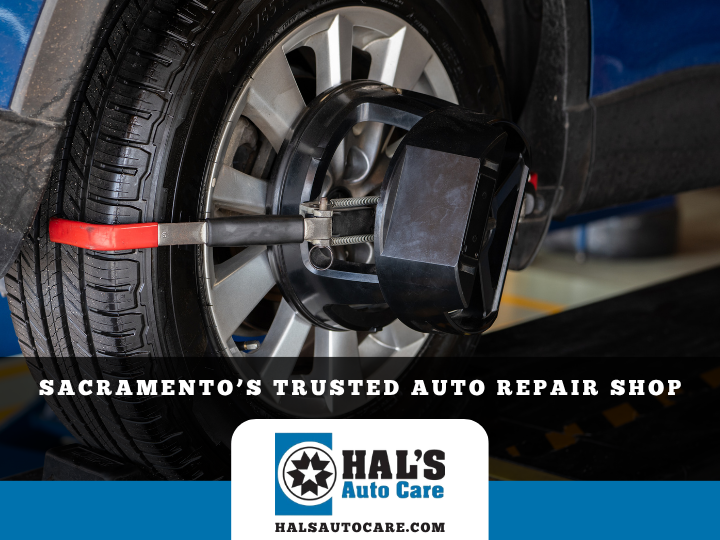
If your tires are wearing unevenly, the shop should help you understand whether alignment, tire pressure, suspension wear, driving conditions, or other factors may be involved.
Customers deserve explanations they can understand.
You should leave a repair shop with more clarity than when you arrived.
A Good Mechanic Gives You a Plan
One of the most valuable things a mechanic can do is help you create a plan for your vehicle.
Many drivers only think about auto repair when something breaks. That is understandable, but it often creates stress. When every repair is handled as a surprise, vehicle ownership becomes harder to manage.
A mechanic who has your best interest at heart helps you get ahead of the vehicle.
That does not mean overwhelming you with a long list and making everything sound urgent. It means helping you organize the vehicle’s needs into clear priorities.
A good plan usually separates recommendations into three simple categories:
Safety now.
Reliability soon.
Long-term maintenance.
Safety now includes anything that affects your ability to drive safely. This may include brakes, tires, steering, suspension, lights, serious leaks, overheating, or warning lights related to important systems.
Reliability soon includes items that may not be immediately dangerous but could leave you stranded or cause larger problems if ignored.
Long-term maintenance includes services that help protect the vehicle over time, such as oil changes, tire rotations, fluid services, filters, belts, hoses, battery service, alignments, and routine inspections.
This type of plan gives the customer control.
Instead of feeling overwhelmed, you can see what matters first, what can be planned, and what should be watched.
That is what customer-first auto repair should feel like.
The Best Mechanics Do Not Use Pressure
There is a major difference between pressure and professional guidance.
A good mechanic should tell the truth. If your vehicle has a safety issue, you need to know. If a repair should not be delayed, the shop should explain why. If maintenance will help protect the vehicle, the shop should educate you.
But that does not mean using fear.
A mechanic who truly has your best interest at heart explains the truth without pressure. They do not create urgency where urgency does not exist. They do not make the customer feel cornered. They do not use confusing language to push a decision.
A better approach sounds like this:
“Here is what we found.”
“Here is why it matters.”
“Here is what we recommend first.”
“Here is what can be planned.”
“Here is what we should monitor.”
That gives the customer confidence.
Pressure creates resistance. Education creates trust.
A customer-first repair shop understands the difference.
The Family Standard
One of the best ways to judge whether a repair recommendation is honest is to ask a simple question:
Would this mechanic recommend the same thing to their own family?
That is the standard customers deserve.
If a repair is needed for safety, say so clearly.
If maintenance is smart but not urgent, explain that honestly.
If something can wait, say that.
If something should be watched, make that clear.
If a repair does not make sense because of the condition or future plan for the vehicle, be honest about that too.
A mechanic who has your best interest at heart does not treat every customer exactly the same because every situation is different.
Some drivers want to keep their vehicle for many more years. Some drivers are preparing to replace a vehicle soon. Some commute long distances. Some mostly drive locally. Some use the vehicle for work. Some have a teenager driving it. Some need dependable transportation for family. Some simply want safe, reliable transportation around Sacramento and nearby communities.
The right advice depends on the full picture.
That is why listening matters.
Why Sacramento Drivers Need a Trusted Local Mechanic
Driving in and around Sacramento can put real demands on a vehicle. Heat, traffic, freeway driving, stop-and-go conditions, road construction, short trips, longer commutes, and seasonal changes all affect wear over time.
Drivers in Sacramento, Arden-Arcade, East Sacramento, Midtown, Tahoe Park, River Park, Carmichael, Fair Oaks, Rosemont, Rancho Cordova, North Highlands, Citrus Heights, Elk Grove, and nearby areas need vehicles they can rely on.
Hot weather can stress batteries, cooling systems, belts, hoses, tires, and air conditioning systems. Stop-and-go traffic can wear brakes and fluids. Freeway driving can reveal vibration, tire balance issues, alignment problems, and suspension wear. Short trips around town can be hard on batteries, fluids, and engines because the vehicle may not always reach ideal operating conditions long enough.
That is why having a trusted local mechanic matters.
A shop that knows your vehicle history can give better advice over time. They know what has already been repaired. They know what has been maintained. They know what has been recommended. They know what should be watched. They can tell whether a concern is new, recurring, or getting worse.
That relationship protects the customer.
Instead of starting over every visit, you have a team that understands your vehicle and your goals.
A Thorough Inspection Should Create Clarity
A vehicle inspection should not feel like a trap.
It should feel like useful information.
The purpose of an inspection is to understand the true condition of the vehicle. A good inspection may identify safety concerns, worn parts, leaks, fluid conditions, tire issues, brake wear, battery condition, suspension concerns, belts, hoses, filters, lights, and maintenance needs.
But the way those findings are communicated matters.
A customer-first shop does not use an inspection to scare the customer. They use it to educate the customer.
A good inspection should help answer important questions:
Is the vehicle safe?
Is anything urgent?
Is anything developing?
What should be repaired first?
What maintenance is due?
What can be watched?
What should be planned for later?
When information is organized clearly, the customer can make better decisions.
That is the real value of an inspection.
A Mechanic Who Cares Explains the “Why”
Customers should not be expected to approve repairs they do not understand.
A good mechanic explains the “why” behind every recommendation.
If brake repair is recommended, you should understand how the condition of the brake system affects stopping ability, safety, and control.
If tires are recommended, you should understand tread depth, wear patterns, age, damage, traction, and handling.
If an alignment is recommended, you should understand how alignment affects steering, tire wear, and vehicle control.
If fluid service is recommended, you should understand how fluids protect major systems from heat, wear, contamination, and breakdown.
If battery service or replacement is recommended, you should understand whether the battery tested weak, failed testing, or may create a no-start concern.
If cooling system service or repair is recommended, you should understand how overheating can affect the engine and why the problem should not be ignored.
If air conditioning service is recommended, you should understand whether the issue is related to refrigerant, electrical controls, compressor operation, fans, leaks, or another concern.
When customers understand the reason behind the recommendation, they can make decisions with confidence.
That is not pressure. That is respect.
Proper Diagnosis Protects the Customer
Modern vehicles are more complicated than ever. Today’s cars and trucks use computers, sensors, wiring, modules, safety systems, emissions systems, fuel systems, ignition systems, charging systems, cooling systems, climate control systems, and mechanical components that all work together.
That means guessing is not good enough.
A mechanic who has your best interest at heart does not simply replace parts and hope the problem goes away. They test, verify, and confirm.
This is especially important with:
Check engine lights
Warning lights
Electrical problems
Hard starting
Battery and charging concerns
Overheating
Rough idle
Poor acceleration
Brake concerns
Suspension noises
Steering problems
Air conditioning problems
Intermittent symptoms
A diagnostic code does not automatically tell the full story. It is a clue. Proper testing confirms the cause.
Accurate diagnosis helps prevent unnecessary parts replacement. It also helps fix the real issue more effectively.
That is one of the clearest ways a mechanic protects the customer’s best interest.
Preventive Maintenance Is Customer-First
Preventive maintenance is often misunderstood.
Some drivers think maintenance is just something shops recommend because they want more work. But when it is handled honestly, maintenance is one of the most customer-first things a repair shop can offer.
Maintenance helps prevent avoidable problems.
Oil changes help protect the engine. Tire rotations help promote even tire wear. Brake inspections help identify concerns before they become more serious. Fluid services help protect major systems. Filters help support airflow and comfort. Battery testing helps reduce the chance of unexpected starting problems. Alignments help protect tires and steering. Belt and hose inspections help prevent failures that can leave you stranded.
A mechanic who cares about the customer wants the vehicle to be safe and dependable before a breakdown happens.
That does not mean every maintenance item is urgent. It means the customer deserves to know what is due, why it matters, and how to plan for it.
That is the right way to talk about maintenance.
Sacramento Heat Makes Maintenance Even More Important
Sacramento drivers know how hot the weather can get. Heat is hard on vehicles, especially batteries, cooling systems, tires, belts, hoses, and air conditioning systems.
A weak battery may seem fine until extreme heat exposes the problem. Low coolant, worn hoses, a weak radiator cap, a failing fan, or a water pump issue can quickly become a serious overheating concern. Tires can be affected by heat, pressure changes, and road conditions. Air conditioning problems become more noticeable when temperatures rise.
That is why inspections and maintenance are not just about checking boxes.
They are about helping prevent avoidable problems before they interrupt your life.
A mechanic who has your best interest at heart understands local driving conditions and helps you prepare for them.
Customers Should Feel Comfortable Asking Questions
No one should feel embarrassed at a repair shop.
You should be able to ask questions without being talked down to. You should be able to say, “Can you explain that again?” or “What would you do first?” or “Is this a safety issue?”
A mechanic who has your best interest at heart welcomes those questions.
Good questions include:
What did you find?
Why does it matter?
Is it urgent?
Can it wait?
What happens if I delay it?
Is this maintenance or repair?
How did you confirm the problem?
What should I do first?
What should we keep an eye on?
A customer-first shop understands that questions are not an inconvenience. They are part of a healthy repair relationship.
The more the customer understands, the better the decision will be.
Good Auto Repair Respects Your Time
When your vehicle is in the shop, your day is affected.
You may need to get to work, pick up children, attend appointments, run errands, manage a business, or take care of family responsibilities. Being without your car can create stress.
A mechanic who has your best interest at heart respects that.
Not every repair can be completed immediately. Some concerns require testing. Some parts may need to be ordered. Some symptoms may take time to duplicate. Some repairs may reveal additional issues once work begins.
But communication makes a major difference.
Customers should not be left wondering what is happening.
A good shop provides updates, explains delays, communicates changes, and helps the customer understand the next step. Even when the news is not ideal, clear communication makes the situation easier to manage.
Respecting the customer’s time is part of respecting the customer.
The Best Repair Experience Is Built on Relationship
A one-time transaction is different from a long-term relationship.
A transaction focuses only on today’s repair. A relationship focuses on the customer’s long-term success with the vehicle.
A mechanic who has your best interest at heart wants to earn your trust over time. They want to become the place you call when something feels off. They want to help you understand the condition of your vehicle before it becomes a crisis.
That relationship matters because vehicle history matters.
When the shop knows your car, they can track maintenance, watch developing issues, recognize patterns, and give better advice. They know what has been repaired and what needs attention next.
That kind of continuity helps prevent confusion.
It also helps customers feel more confident because they know the recommendations are based on history, not guesswork.
Warning Signs You Should Not Ignore
A customer-first mechanic wants drivers to know when it is time to have the vehicle inspected.
You should schedule service if you notice:
Check engine light
Oil pressure light
Battery warning light
Brake warning light
Tire pressure light
Grinding or squealing brakes
Steering wheel shaking
Vehicle pulling to one side
Vibration at highway speeds
Oil spots under the vehicle
Coolant leaks
Burning smells
Overheating
Hard starting
Rough idle
Poor acceleration
Clunking or clicking noises
Uneven tire wear
Air conditioning not cooling
Heat not working properly
Dashboard warning lights
These symptoms do not always mean something major is wrong, but they should not be ignored. Early inspection often gives you more options.
A trustworthy mechanic will help determine whether the concern is urgent, whether it can be monitored, or whether it should be repaired soon.
How to Choose a Mechanic in Sacramento, CA
When choosing a mechanic in Sacramento, do not look only for convenience. Convenience matters, but trust matters more.
Pay attention to how the shop treats you from the beginning.
Do they listen carefully?
Do they ask good questions?
Do they explain their process?
Do they inspect before recommending?
Do they separate urgent repairs from future maintenance?
Do they answer questions clearly?
Do they make you feel respected?
Do they seem interested in helping you keep the vehicle safe and reliable long term?
The right mechanic should make you feel more confident, not more confused.
You want a shop that values honesty, communication, accuracy, and long-term relationships. You want recommendations based on what is best for you and your vehicle.
That is what customer-first auto repair should be.
Why Customer-First Auto Repair Matters
Your vehicle is more than a machine. It is connected to your life.
When your car is reliable, your life runs smoother. When it is not, everything becomes harder. Getting to work becomes stressful. Family responsibilities become harder to manage. Travel plans become uncertain. A warning light or strange noise can create anxiety because you do not know what it means.
A good mechanic helps reduce that stress.
They give you answers.
They give you clarity.
They give you priorities.
They give you a plan.
That is why having your best interest at heart matters so much.
It is not just about fixing the vehicle. It is about helping the customer feel informed, safe, and respected.
The Value of a Shop That Tells the Truth
Truth is the foundation of trust.
A mechanic who tells the truth may not always tell you what you hoped to hear, but they should always tell you what you need to know. That is what protects the customer.
Sometimes the truth is that a repair is urgent.
Sometimes the truth is that maintenance is overdue.
Sometimes the truth is that a small leak should be watched.
Sometimes the truth is that a noise needs more testing.
Sometimes the truth is that the vehicle is still safe, but a repair should be planned.
That kind of honesty helps customers make better decisions.
A customer-first mechanic does not measure success by how much can be recommended in one visit. They measure success by whether the customer leaves informed, respected, and confident.
That is the kind of relationship that creates long-term trust.
Trusted Auto Repair in Sacramento, CA
For drivers looking for a mechanic who has your best interest at heart in Sacramento, CA, Hal’s Auto Care is located at 2425 Tower Ave, Sacramento, CA 95825.
The shop serves drivers throughout Sacramento and nearby communities, including Arden-Arcade, East Sacramento, Midtown, Tahoe Park, River Park, Carmichael, Fair Oaks, Rosemont, Rancho Cordova, North Highlands, Citrus Heights, Elk Grove, West Sacramento, and surrounding areas.
Whether you need help with diagnostics, oil changes, brakes, tires, maintenance, steering and suspension, electrical concerns, warning lights, leaks, overheating, air conditioning, or general auto repair, the right experience should begin with honesty, clear communication, and recommendations based on the customer’s best interest.
You can contact Hal’s Auto Care at (916) 485-9215 or visit their website at https://halsautocare.com/services/.
Final Thoughts
A mechanic who has your best interest at heart does more than repair cars.
They listen.
They inspect carefully.
They explain clearly.
They prioritize honestly.
They respect your time.
They answer your questions.
They help you plan.
They tell you the truth.
That is the kind of auto repair experience every customer deserves.
You should not have to wonder whether a recommendation is honest. You should not have to feel pressured. You should not leave confused. You should feel informed, respected, and confident that the shop is helping you make the best decision for your vehicle.
For drivers in Sacramento, CA and nearby communities, choosing a mechanic who truly has your best interest at heart can make vehicle care simpler, calmer, and more trustworthy.
You can watch the video