What do I do about my car having an oil leak?
What do I do about my car having an oil leak?
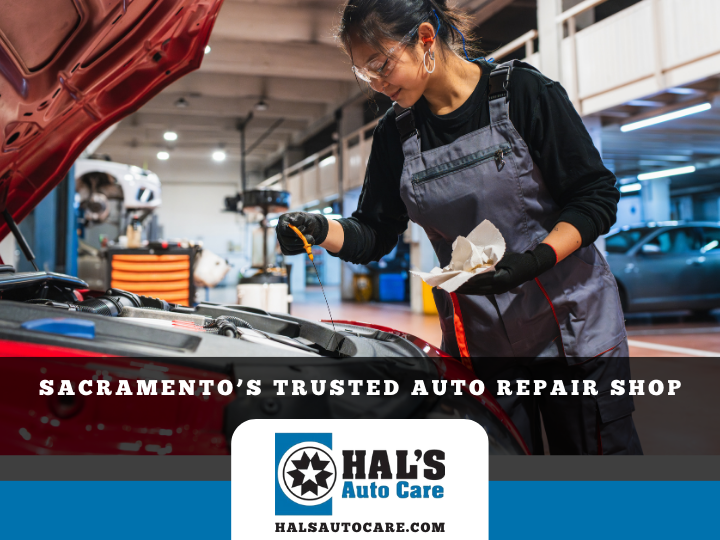
What Do I Do About My Car Having an Oil Leak?
A Complete, High-Authority Guide for Drivers in Sacramento, Arden-Arcade, Carmichael, Fair Oaks, and the Entire Sacramento Valley
An oil leak is one of the most common issues drivers encounter, yet one of the most frequently ignored. A dark spot on the driveway. A burning smell on a warm Sacramento day. A faint wisp of smoke when you stop at a red light on Watt Ave. A low reading on the dipstick.
These symptoms are easy to dismiss—until the leak grows, spreads, and starts damaging the engine from the inside out.
Here’s the truth:
An oil leak is never harmless, and it never stays the same size.
Oil leaks always progress. They always spread. And they always lead to more serious problems if not addressed quickly. This is especially true in the Sacramento Valley, where high heat, long commutes, dry weather, and aging vehicles create the perfect storm for seal deterioration, gasket failures, and pressure-related oil system issues.
This guide is built for drivers in Sacramento, Arden-Arcade, Carmichael, Fair Oaks, North Highlands, Citrus Heights, Roseville, Rancho Cordova, and surrounding areas who want to understand why oil leaks happen, what they mean, and what to do about them before they turn into serious engine damage.
Section 1: Why Oil Leaks Matter More Than Most Drivers Think
Oil is the engine’s lifeline. It lubricates, cools, cleans, seals, and stabilizes the entire internal system. When oil escapes the sealed environment, the engine loses control of temperature, pressure, and lubrication instantly.
Why this matters:
1. Oil Keeps Metal from Grinding
Metal components inside your engine move at thousands of revolutions per minute. Oil prevents direct contact.
2. Oil Removes Heat
It carries excess heat away from friction-heavy components.
3. Oil Maintains Pressure
Hydraulic systems—like timing chain tensioners—depend on oil pressure to function correctly.
4. Oil Conditions Seals and Gaskets
When oil leaks out, seals dry, shrink, or crack.
5. Oil Prevents Sludge Formation
Low oil leads to hotter oil. Hot oil breaks down faster, creating sludge.
6. Oil Protects Engine Longevity
Even slight oil loss accelerates wear inside the engine.
Drivers in Sacramento, The Pocket, Arden-Arcade, and Roseville face unique conditions that make oil leaks more aggressive:
• Extended high-temperature seasons
• Dry climate that accelerates seal failure
• Stop-and-go driving on roads like Howe Ave, Fair Oaks Blvd, and Madison Ave
• Long freeway commutes on I-80, Business 80, and Hwy 50
• Higher average vehicle age compared to coastal California cities
If your engine is losing oil in Sacramento, it’s happening faster than you think.
Section 2: The Most Common Causes of Oil Leaks
Oil leaks can originate from several locations in the engine. Identifying the exact source matters because oil spreads, coats surfaces, and makes the true leak point hard to see.
Here are the most common sources found in vehicles throughout the Sacramento Valley:
1. Valve Cover Gaskets
Heat and age cause these gaskets to harden and crack. Oil runs down the engine block onto hot exhaust components, creating a strong burning smell.
2. Oil Pan Gasket
This gasket seals the oil pan to the bottom of the engine. Sacramento’s road heat and expansion cycles accelerate failure.
3. Timing Cover Gasket
These gaskets seal the area around the timing chain or belt. When they leak, oil spreads wide.
4. Oil Filter Housing Gaskets
Many modern engines route oil and coolant through aluminum housings that develop leaks.
5. Rear Main Seal
A major seal between the engine and transmission. Failure here causes heavy dripping.
6. Camshaft and Crankshaft Seals
These rotating seals degrade with age.
7. Oil Cooler Lines
These lines become brittle in Sacramento’s heat.
8. PCV Valve or System Failure
A clogged PCV system builds internal pressure, pushing oil past seals.
9. Oil Pressure Sensors
Common on high-mileage vehicles in the area.
10. Incorrect Oil Filter Installation
Improperly installed or low-quality filters cause immediate leaks.
Section 3: Symptoms You Should Never Ignore
Oil leaks whisper before they yell. Here are the early signals that a leak is active:
1. Spots Under the Vehicle
Dark stains on your driveway are the most common early warning.
2. Burning Oil Smell
If oil drips onto the exhaust, you will smell it immediately in stop-and-go Sacramento traffic.
3. Smoke from the Engine Bay
Oil contacting hot components creates visible smoke.
4. Low Oil Level
If you need to top off between oil changes, a leak is likely involved.
5. Oil on Engine Components
Look for oily residue around valve covers, spark plugs, or belts.
6. Engine Misfire
Oil leaking into spark plug tubes triggers ignition failure.
7. Warning Lights
If the oil light appears, the leak has already impacted pressure.
8. Oil on Undercarriage
Wind spreads oil across the underbody as you drive.
Section 4: What To Do Immediately When You Notice an Oil Leak
Sacramento drivers face high heat and heavy traffic. These conditions accelerate oil loss and make leaks more dangerous.
Follow these steps:
Step 1: Check Your Oil Level
Add oil only to bring the level to normal. Do not overfill.
Step 2: Avoid High-Speed or Long Trips
Driving from Sacramento to Roseville or Rancho Cordova with an active leak increases risk.
Step 3: Pay Attention to Warning Lights
If the oil pressure light illuminates, stop driving immediately.
Step 4: Skip the Stop-Leak Additives
These chemicals cause long-term internal problems.
Step 5: Take Note of All Symptoms
Describe smells, smoke, locations of drips, and how often oil is low.
Step 6: Schedule a Professional Inspection
Oil leak diagnosis requires tools, testing, and precision.
Section 5: How Technicians Properly Diagnose Oil Leaks
Accurate diagnosis is everything. Oil spreads and disguises the true leak point. Professional technicians follow a structured process:
1. Clean the Engine
Removing previous oil buildup reveals fresh leaks.
2. Add UV Dye
A special dye mixed with engine oil shows the exact leak path.
3. Run the Engine Under Controlled Conditions
Some leaks appear only under pressure or high heat.
4. Inspect High-Failure Areas
Valve covers, pans, housings, seals, and timing covers.
5. Inspect the Undercarriage
Oil blown backward often misleads drivers.
6. Verify the Leak Source
A professional shop confirms the exact failing component before recommending repairs.
Section 6: Severity Levels of Oil Leaks
Not all leaks are the same. Here’s how to categorize them:
Category 1: Seep
Moisture around gaskets but no drips yet.
Category 2: Slow Drip
Spots appear regularly under the vehicle.
Category 3: Active Leak
Oil drips during engine operation or shortly after.
Category 4: Pressurized Leak
Oil sprays or pours under pressure. This is unsafe.
Section 7: The Real Dangers of Ignoring an Oil Leak
Oil leaks never stay contained. They cause ripple effects across the engine bay, including:
1. Low Oil Levels
This leads to heat, friction, and rapid internal wear.
2. Drying and Cracking of Other Seals
Once one gasket fails, the rest follow.
3. Oil Saturating Rubber Components
Belts, hoses, and motor mounts degrade.
4. Fire Risk
Oil contacting hot exhaust manifolds can ignite.
5. Engine Misfires
Oil around spark plug tubes causes ignition failure.
6. Catalytic Converter Damage
Oil burning inside the exhaust creates deposits.
7. Environmental Damage
Oil leaks contaminate driveways, soil, and storm drains.
8. Engine Failure
Once oil pressure drops, the engine is in danger.
Section 8: Can You Drive With an Oil Leak?
Here’s the honest answer:
The question isn’t how long you can drive.
The question is how long your engine can survive.
A small seep may not be urgent, but:
• Slow drips need prompt repair
• Active leaks require immediate attention
• Pressurized leaks make the car unsafe
If the oil light comes on, the vehicle should not be driven at all.
Section 9: Why Oil Leaks Are Common in Sacramento
The Sacramento Valley environment puts unusual stress on vehicles:
1. High Heat
Extended summers dry out seals and gaskets.
2. Low Humidity
Dry air accelerates cracking in rubber components.
3. Stop-and-Go Driving
Heavy traffic on roads like Arden Way, Marconi Ave, and Sunrise Blvd increases heat cycles.
4. Long Freeway Commutes
Sustained high RPM on I-80, Hwy 50, and Business 80 stresses seals.
5. Dust and Road Debris
Dust dries out sealing surfaces and contaminates oil.
6. Older Vehicle Population
Sacramento has many older, high-mileage vehicles.
7. Temperature Swings
Cold nights and hot days expand and shrink seals rapidly.
Section 10: How to Prevent Oil Leaks
Long-term prevention comes from consistent habits:
1. Regular Oil Changes
Fresh oil keeps seals conditioned.
2. High-Quality Oil Filters
Poor-quality filters frequently leak.
3. PCV System Maintenance
This prevents internal pressure buildup.
4. Cooling System Health
Overheating accelerates gasket failure.
5. Routine Inspections
Catch problems early before they spread.
6. Protect the Undercarriage
Avoid debris and potholes that damage pans and seals.
7. High-Quality Gaskets and Seals
Better materials withstand Sacramento heat cycles.
Section 11: When It’s Time to Bring Your Vehicle to a Trusted Sacramento Shop
Now that the first half of the article is complete—with no shop name mentioned—here is where we introduce your shop:
Hal’s Auto Care
2425 Tower Ave
Sacramento, CA 95825
(916) 485-9215
https://halsautocare.com/services/
Hal’s Auto Care serves drivers throughout Sacramento, Arden-Arcade, Carmichael, Fair Oaks, North Highlands, Citrus Heights, Roseville, Rancho Cordova, and the entire Sacramento Valley.
They specialize in:
• Advanced oil leak diagnostics
• Valve cover gasket replacement
• Oil pan gasket repair
• Timing cover leak repairs
• Oil filter housing gasket repair
• Rear main seal evaluation and repair
• Oil cooler line inspections
• PCV system diagnosis
• Digital inspections with photos
• Preventive maintenance solutions
Their combination of precision diagnostics and high-standard workmanship has made them one of Sacramento’s most reliable automotive service centers.
Section 12: Final Thoughts
An oil leak is not a minor irritation. It is an engine warning—a signal that something inside the system has changed, that a seal has failed, or that pressure is no longer being contained.
Drivers in Sacramento, Arden-Arcade, Carmichael, Fair Oaks, North Highlands, Citrus Heights, Roseville, and Rancho Cordova face unique environmental conditions that accelerate oil leak progression. Heat, dust, long commutes, and low humidity mean that leaks worsen quickly.
The path forward is simple:
• Don’t ignore early symptoms
• Check your oil level regularly
• Avoid long drives with an active leak
• Schedule a professional inspection
• Repair the leak before it spreads
• Maintain your engine with consistent care
Your engine’s longevity is determined by your standards. Protect it with clarity and disciplined maintenance.
You can watch the video