What Does It Mean When You Hear a Clicking Noise When Turning
What Does It Mean When You Hear a Clicking Noise When Turning
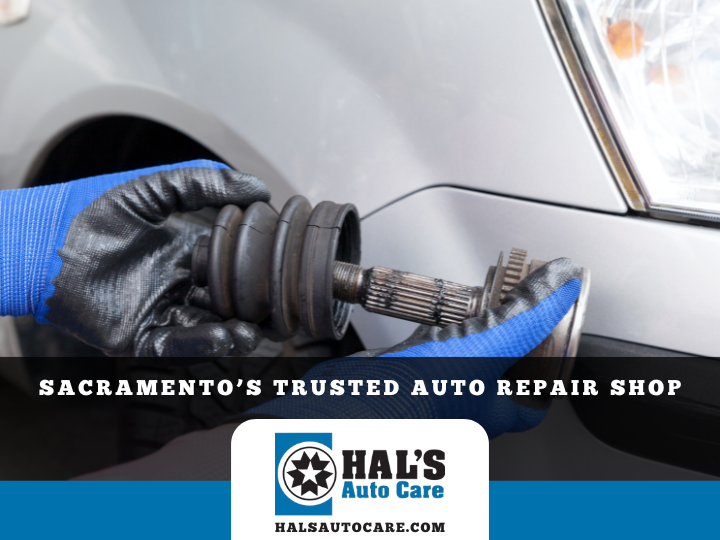
What Does It Mean When You Hear a Clicking Noise When Turning?
A clicking noise when turning is your vehicle giving you an early warning. It may sound minor at first, but this type of noise often points to wear in a steering, suspension, or driveline component that should be checked before it becomes a larger safety issue.
The right approach is simple: diagnose early, explain clearly, and make decisions that protect your safety and your vehicle’s long-term reliability.
When service is truly customer-first, the focus is not pressure—it is clarity, safety, and doing what is right for you.
Why a Clicking Sound During Turns Matters
Turning the wheel changes force and angle across several systems at once:
- CV axles and joints
- Steering linkage
- Suspension joints and bushings
- Wheel bearings/hubs
- Brake hardware
If one part is worn, loose, dry, or damaged, turning can expose that weakness through a clicking sound.
The sound itself is not the full problem—it is the symptom telling you to inspect the cause.
If ignored, it can lead to:
- Less precise steering feel
- Uneven tire wear
- Added stress on related parts
- Higher risk during emergency maneuvers
Most Common Cause: Worn CV Joint
In many front-wheel-drive and all-wheel-drive vehicles, clicking on turns is commonly caused by a worn CV (constant velocity) joint.
What CV joints do
They transfer power from the transmission to your wheels while allowing suspension movement and steering angle changes.
Why they begin clicking
CV joints are sealed in grease by a protective rubber boot. If the boot cracks or tears:
- Grease leaks out
- Dirt and moisture enter
- Internal wear accelerates
- Clicking starts during turns
Typical symptom pattern
- Repetitive clicking in tighter turns
- Louder under light acceleration while turning
- Often louder in one direction than the other
Once significant wear begins, it generally progresses.
Other Causes of Clicking Noise When Turning
CV joints are common, but a complete inspection matters because several faults can sound similar.
1) Suspension Joint Wear
Worn ball joints, tie rod ends, sway bar links, and control arm bushings can click or clunk as load shifts.
Possible clues:
- Slight front-end looseness
- Noise over bumps plus turns
- Irregular tire wear
2) Steering Linkage Play
Wear in steering components can create clicking at low speeds and parking maneuvers.
Possible clues:
- Reduced steering precision
- Small dead zone feel near center
- Clicks during U-turns or parking lot turns
3) Brake Hardware Movement
Loose or worn brake hardware can shift during cornering and produce clicking/tapping sounds.
Possible clues:
- Intermittent rather than rhythmic clicking
- Sound appeared after brake work
- Click entering driveways or angled surfaces
4) Wheel Bearing or Hub Issues
Bearings more often hum/growl, but some failures click as side-load changes in turns.
Possible clues:
- Noise changes left turn vs. right turn
- Sound increases with speed
- Vibration in more advanced cases
5) Axle/Mount/Driveline Movement
Excess movement in driveline interfaces or mounts can produce clicking when torque changes during turn-in.
Possible clues:
- Click with a slight jolt
- Most noticeable in low-speed maneuvers
- Sound around throttle transitions
Safe Observations You Can Make Before an Inspection
You can gather helpful details safely.
In an empty parking lot:
- Turn fully left and drive slowly in a circle
- Turn fully right and repeat
- Listen for rhythm, side, and intensity
- Note if light acceleration increases the click
Also note:
- Steering wheel vibration
- Vehicle pulling left/right
- Dashboard warning lights
- Grease near the inner front wheel area (possible torn CV boot)
Do not crawl under the vehicle without proper safety equipment and training.
Warning Signs That Need Immediate Attention
Get the vehicle checked right away if you notice:
- Clicking becomes loud, constant, or rapidly worse
- Steering feels loose, delayed, or unstable
- Grinding appears with clicking
- Vehicle jerks or binds in turns
- Strong low-speed vibration
These symptoms can indicate a rising safety risk.
Why Early Diagnosis Is in Your Best Interest
Customer-first service means helping you prevent larger problems, not waiting until failure.
Early diagnosis can help you:
- Separate minor issues from safety-critical faults
- Prevent secondary damage
- Protect tire life and alignment stability
- Maintain predictable steering and control
A thorough diagnostic process should include:
- Confirmed road test under turning load
- Steering/suspension play checks
- CV boot and axle inspection
- Brake hardware evaluation
- Wheel/hub/bearing assessment
You should receive clear findings and a prioritized plan in plain language.
What Customer-First Service Should Feel Like
You should expect:
- Your concerns are heard first
- The symptom is verified carefully
- Root cause is identified (no guessing)
- Urgency and safety impact are explained clearly
- Recommendations are aligned with your long-term best interest
That is what trust-based, customer-first care looks like.
Local Driving Conditions Around Sacramento and Nearby Communities
Vehicles in and around Sacramento, Arden-Arcade, Carmichael, Fair Oaks, Citrus Heights, Rancho Cordova, Roseville, Rocklin, Antelope, North Highlands, Elk Grove, West Sacramento, Davis, and Folsom frequently see conditions that can accelerate steering and driveline wear:
- Dense traffic and frequent stop-and-go driving
- Repeated low-speed turns and parking maneuvers
- Potholes, rough pavement, and lane transitions
- Heat and seasonal temperature swings affecting rubber components
Local wear patterns are one reason clicking noises should be checked promptly instead of monitored for months.
What To Do Next If You Hear Clicking on Turns
Use this plan:
- Document the pattern
Direction, speed, throttle, and road type. - Drive conservatively
Avoid aggressive turning and hard acceleration in corners. - Schedule a professional inspection soon
Repeatable clicking should be diagnosed early. - Ask for root-cause explanation
What failed, why, and urgency level. - Complete priority safety repairs promptly
Steering and driveline issues tend to worsen over time.
Final Takeaway
A clicking noise when turning is an early warning you do not want to ignore. Listening now protects your safety, preserves your vehicle’s reliability, and helps prevent bigger complications later.
If you are hearing that sound, a thorough, customer-first inspection is the right next step.
You can watch the video