Why Is My Truck Leaking Brake Fluid
Why Is My Truck Leaking Brake Fluid
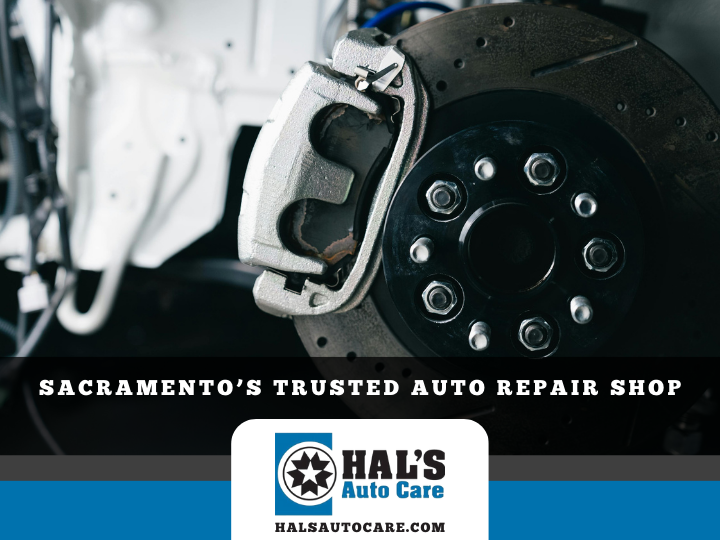
Why Is My Truck Leaking Brake Fluid?
A Full, High-Authority Guide for Drivers in Sacramento, Arden-Arcade, Carmichael, and the Greater Valley
A brake fluid leak is one of the most serious mechanical issues any truck can develop—because brake fluid is not just another automotive fluid. It is the hydraulic force behind every stop you make. When it leaks, the system that gives you braking power begins to fail, and the risk increases with every mile you drive.
Drivers across Sacramento, Arden-Arcade, Carmichael, Fair Oaks, North Highlands, Citrus Heights, Rancho Cordova, and Natomas rely on their trucks for commuting, hauling, towing, and family transportation. In a region that combines high-speed highways, constant stop-and-go traffic, and extreme summer heat, brake systems face heavier stress than most drivers realize.
This 3,000-word guide breaks down every major cause of brake fluid leaks, every warning sign, every risk, and the full process of diagnosing and preventing future problems. It’s written with authority, clarity, and depth—so that truck owners understand the seriousness of a brake fluid leak without confusion or guesswork.
Brake fluid leaks are not minor.
They are not slow-developing inconveniences.
They are immediate safety threats.
Let’s break down exactly what you need to know.
Section 1: Why Brake Fluid Is Critical to Truck Safety
Brake fluid is a hydraulic medium. When you press the brake pedal, that fluid transfers your foot’s pressure through the entire brake system.
Without that pressure, brakes do not work.
Brake fluid allows:
- Calipers to squeeze brake pads
- Wheel cylinders to expand brake shoes
- ABS systems to modulate pressure
- The master cylinder to maintain hydraulic force
- The entire brake system to remain sealed and effective
If even a small amount of brake fluid is lost, the system takes in air.
When air enters a hydraulic system, pressure drops—and braking power disappears.
In a busy region like Sacramento, with its mix of dense city driving and high-speed interchanges on I-80, CA-50, and Business 80, a drop in braking power can instantly turn into a dangerous situation.
Brake fluid does not evaporate.
It does not naturally decrease over time.
If the level is dropping, it is leaking.
Section 2: How to Identify a Brake Fluid Leak vs Other Leaks
Trucks can leak oil, coolant, transmission fluid, power steering fluid, or even water from the AC system. Identifying brake fluid correctly is essential.
Brake fluid has distinct characteristics:
1. Color
- Fresh fluid: light yellow or clear
- Older fluid: brown or deep amber
2. Texture
- Slick, thin, slightly oily
- Not thick like motor oil
- Not sticky like coolant
3. Smell
Brake fluid has a sharp chemical odor—not sweet, not burnt-smelling.
4. Common leak locations
Brake fluid typically appears around:
- Any of the four wheels
- The master cylinder in the engine bay
- Brake lines along the frame
- ABS pump or module
- The rear axle if drum brakes are present
If you find fluid underneath the truck near a wheel or along the frame rail, brake fluid should be your first suspicion.
Section 3: The Most Common Reasons Trucks Leak Brake Fluid in Sacramento
Brake fluid leaks come from specific failure points in the system. In Sacramento’s climate—hot summers, varied terrain, and heavy traffic—the risk increases in several key areas.
Here are the most common causes.
1. Worn or Damaged Brake Hoses
Brake hoses flex every time the truck moves or turns. Over time, they degrade due to:
- Heat exposure
- Rough road conditions
- Age and dry rot
- Suspension travel
- Contact with moving components
Sacramento’s heat accelerates rubber deterioration, making hoses one of the most common leak sources.
Signs include:
- Wetness on the hose
- Fluid dripping near a wheel
- Brake pedal softness or inconsistent feel
2. Rusted or Corroded Brake Lines
Although Sacramento does not have the same winter salt issues as cold-weather states, corrosion still occurs from:
- Road moisture
- Dirt and sediment
- Older vehicle undercarriages
- Coastal air from trips to the Bay
- Chemical residues on roads
Corroded brake lines can form pinholes or burst under pressure.
Symptoms include:
- Drips along the frame
- Brake pedal sinking while stopped
- Sudden, severe pressure loss
Once rust penetrates a steel line, it must be replaced—there is no safe repair.
3. Leaking Brake Caliper Seals
Calipers house hydraulic pistons that apply pressure to the brake pads. These pistons rely on seals that degrade over time.
Causes:
- Heat from Sacramento’s summer temperatures
- Frequent braking in city traffic
- Towing or hauling
- Age and mileage
Signs:
- Fluid on the caliper
- Wetness on the inside of the wheel
- Pulling to the left or right during braking
A leaking caliper cannot maintain brake pressure.
4. Wheel Cylinder Leaks (Trucks with Drum Brakes)
Many mid-size and older trucks still use rear drum brakes. Inside the drum is a wheel cylinder that can leak when seals fail.
Indicators:
- Fluid inside the drum
- Damp or shiny brake components
- A pedal that travels farther than normal
- Reduced stopping power
These leaks often stay hidden because drum components are enclosed.
5. Master Cylinder Failure
The master cylinder generates the hydraulic pressure that powers every part of the brake system. When it fails:
External failure:
- Fluid drips onto the brake booster
- Visible wetness around the cylinder
- Fluid loss from the reservoir
Internal failure:
- Pedal sinks slowly when held
- Brake warning light
- Weak or fading braking
Internal leaks are especially dangerous because they leave no puddle.
6. Loose or Damaged Fittings
Brake systems contain numerous fittings that can develop leaks:
- Banjo bolts
- Junctions
- Line unions
- Bleeder screws
Causes:
- Vibration from rough pavement
- Improper installation
- Worn copper washers
- Age and metal fatigue
A fitting leak may begin as a slow drip but will worsen as pressure increases.
7. ABS Pump or Module Leaks
Modern trucks use ABS units containing multiple valves, pistons, and seals. These systems operate under high pressure.
When seals fail:
- Fluid leaks around the ABS module
- The ABS or brake light illuminates
- The pedal becomes inconsistent
Technicians must diagnose ABS units with precision due to their complexity.
8. Brake Booster Contamination
A failing master cylinder can leak brake fluid into the brake booster. While the booster isn’t designed to contain fluid, this failure occurs when the rear master cylinder seal fails.
Symptoms:
- Wetness between booster and master cylinder
- Vacuum hissing noise
- Soft or weak pedal feel
When this occurs, both components may need replacement.
9. Heat-Induced Wear
Sacramento is known for its hot summers. High temperatures contribute to accelerated brake wear:
- Rubber seals harden
- Brake fluid absorbs moisture faster
- Components weaken under heat cycles
- Hoses expand and contract more
Areas like Arden-Arcade, Carmichael, and Rancho Cordova experience even more intense heat at times due to road density and urban infrastructure.
Section 4: Warning Signs That Indicate a Brake Fluid Leak
Brake fluid leaks rarely stay small. You may notice the following symptoms:
1. Soft, spongy, or sinking brake pedal
Indicates air has replaced hydraulic fluid.
2. Brake light or ABS warning light
The system detects low fluid, low pressure, or an internal fault.
3. Fluid puddles or wet spots
Brake fluid near a wheel or frame rail is a strong indicator.
4. Low brake fluid level
The system is sealed—fluid loss always signals a leak.
5. Increased stopping distance
Hydraulic pressure loss means decreased braking power.
6. Pulling to one side
One side may not be getting enough pressure.
7. Burning chemical odor
Brake fluid leaking onto hot surfaces creates a distinct smell.
8. Inconsistent brake pedal behavior
Feel, firmness, and travel may change unpredictably.
Each symptom represents a dangerous hydraulic failure.
Section 5: Why Brake Fluid Leaks Are Even More Dangerous for Trucks
Brake fluid leaks in trucks carry additional risks compared to sedans or smaller SUVs.
Trucks weigh more
More mass requires more pressure to stop.
Trucks tow and haul
This generates extreme brake heat.
Trucks experience more suspension movement
Hoses, fittings, and junctions flex more often.
Trucks encounter demanding conditions
Off-roading near the American River Parkway, mountain trips, and long towing loads stress brakes.
Trucks have larger braking systems
Higher pressures = faster leak progression.
A brake fluid leak in a truck should never be ignored—not even briefly.
Section 6: Can You Still Drive With a Brake Fluid Leak?
The short answer:
Absolutely not.
Brake fluid leaks present an immediate danger:
- Total brake failure can happen at any moment
- Stopping distance increases dramatically
- Pedal may suddenly drop to the floor
- Towing or hauling becomes extremely unsafe
- Intersections and freeways become high-risk situations
Driving with a brake fluid leak is unsafe under any circumstances.
Section 7: How Professional Technicians Diagnose Brake Fluid Leaks
A proper brake diagnosis involves much more than topping off the fluid.
A full brake inspection includes:
1. Checking brake fluid condition and level
Old or contaminated fluid signals internal corrosion.
2. Inspecting the master cylinder
Includes checking rear seal integrity and body leaks.
3. Examining all brake lines
Technicians inspect both rigid and flexible lines end-to-end.
4. Checking every wheel-end component
- Calipers
- Wheel cylinders
- Pads
- Shoes
- Rotors
- Drums
5. Evaluating the ABS hydraulic control unit
Looking for pressure loss or leaks.
6. Pressure testing the brake system
Ensures no internal bypassing exists.
7. Inspecting for heat damage
Especially important in Sacramento due to extreme summer temperatures.
This level of diagnosis ensures the entire system—not just the leak point—is safe.
Section 8: How to Prevent Future Brake Fluid Leaks
Prevention is the most cost-effective and safest approach.
1. Regular brake fluid checks
Fluid should never drop without cause.
2. Brake fluid replacement
Old fluid absorbs moisture, causing corrosion.
3. Annual brake line inspections
Especially important for older trucks.
4. Inspecting brake hoses
Heat and age degrade rubber components.
5. Avoiding brake ride
Downshift on steep grades to reduce heat.
6. Proper towing technique
Use trailer brakes and adjust driving habits.
7. Respond to warning signs immediately
Brake issues escalate quickly.
Section 9: Local Sacramento Driving Conditions That Increase Brake Wear
Sacramento presents several environmental and driving challenges that accelerate brake system deterioration.
1. Intense summer heat
Heat breaks down brake fluid faster.
2. Heavy traffic patterns
Stop-and-go driving around Arden-Arcade, Cal Expo, and Downtown stresses brakes.
3. Freeway speeds
I-80, Business 80, CA-50, and I-5 require consistent stopping power.
4. Hilly side streets
Areas near Carmichael and Fair Oaks require frequent braking.
5. Suburban road grit
Dust and debris from the Valley increase wear.
These conditions mean truck owners must be especially proactive with brake inspections.
Section 10: When It’s Time to Bring Your Truck In
Bring your truck in immediately if:
- Brake fluid is noticeably leaking
- The brake pedal feels soft or sinks
- The brake warning or ABS light appears
- You notice fluid on the driveway
- Stopping distance increases
- You smell a burning chemical odor
- Braking becomes unpredictable
Hydraulic problems do not fix themselves.
They escalate into dangerous failures.
A professional technician must evaluate the system as soon as possible.
Hal’s Auto Care
Professional Brake Fluid Leak Diagnosis & Repair for Trucks
2425 Tower Ave, Sacramento, CA 95825
Phone: (916) 485-9215
Website: https://halsautocare.com/services/
Hal’s Auto Care proudly serves Sacramento, Arden-Arcade, Carmichael, Fair Oaks, North Highlands, Citrus Heights, Rancho Cordova, Natomas, and the entire Sacramento Valley. Their technicians specialize in truck brake systems, hydraulic diagnostics, master cylinder repairs, brake line replacements, and full brake system restoration.
When your truck is leaking brake fluid, you don’t just need a repair—you need a full restoration of brake safety and performance. Hal’s Auto Care ensures your truck is ready for the demands of Sacramento driving, from congested city streets to highway speeds and high summer temperatures.
You can watch the video