General Repairs and Maintenance for my Truck
General Repairs and Maintenance for my Truck
The Foundation of Reliability: The Real Power of General Auto Repairs & Maintenance
A dependable vehicle doesn’t happen by chance—it’s the direct result of discipline.
Every smooth start, quiet stop, and comfortable drive you enjoy is the outcome of proper care. While many drivers only think about their car when something breaks, true reliability comes from what happens
before a failure ever occurs.
That’s the purpose of general auto repairs and maintenance—protecting performance, safety, and longevity through consistent, proactive care. It’s not just about fixing what’s wrong; it’s about preserving what’s right.
In this guide, we’ll break down:
- Why maintenance is the key to long-term reliability
- The most important systems to monitor and service
- The difference between preventative and reactive care
- How professional inspection protects safety and performance
- Why trusting the right shop matters more than ever
Whether you’re driving across Sacramento, Arden-Arcade, Carmichael, or Fair Oaks, general maintenance isn’t just about mechanics—it’s about peace of mind.
1. What “General Repairs & Maintenance” Really Mean
General auto maintenance isn’t a one-time event—it’s an ongoing system of protection.
Your vehicle is made up of interdependent systems—engine, suspension, brakes, steering, cooling, electrical, and transmission—all working together to deliver performance and safety. When one system weakens, it strains the others.
Key Areas of Focus
- Engine care: oil, filters, spark plugs, and belts keep power consistent and combustion clean.
- Brake service: pads, rotors, calipers, and fluid must be maintained to ensure proper stopping power.
- Suspension and steering: shocks, struts, and joints keep handling tight and tire wear balanced.
- Cooling system: coolant, hoses, and radiators prevent overheating and internal corrosion.
- Electrical system: batteries, alternators, and sensors power everything from starting to safety systems.
- Transmission and drivetrain: fluid exchanges and inspections prevent wear and rough shifting.
When these areas are serviced regularly, the car stays in balance. Maintenance is not a reaction—it’s the rhythm that sustains reliability.
2. Preventative vs. Reactive Maintenance
There are two ways to handle car care: you can plan your maintenance, or you can let your breakdowns plan it for you.
Preventative maintenance means addressing small issues before they grow. Reactive maintenance means waiting for failure and paying for the aftermath.
Type
Approach
Result
Preventative
Scheduled service and inspection
Predictability, safety, reliability
Reactive
Waiting for symptoms to appear
Emergencies, downtime, added cost
Preventative care gives you control. Reactive repair gives you chaos.
The difference is discipline. The best drivers treat maintenance as a habit, not a hassle.
3. The Science of Vehicle Longevity
Every mechanical system wears down over time. Maintenance doesn’t stop that—it slows it.
Friction, heat, and corrosion are constant enemies. Clean fluids, tight seals, and balanced components are your defense.
When your oil is fresh, your engine stays cool. When your coolant is clean, your system resists corrosion. When your tires are rotated and aligned, your suspension stays stable.
Small, consistent actions prevent large, costly ones. Longevity is built in layers, and every oil change or inspection adds another layer of protection.
4. Why Maintenance Is a Safety System
Your car’s safety systems depend on the health of its mechanical systems. Brakes, steering, suspension, tires, and electronics all determine how your car reacts in a sudden stop or emergency.
A single neglected part—a weak brake hose, worn tire, or misaligned suspension—can compromise your safety margin.
Regular inspections verify that your:
- Brakes apply even pressure and stop straight.
- Suspension holds stability through turns and bumps.
- Tires maintain proper tread and pressure.
- Electrical system powers lights, ABS, and traction control reliably.
Safety isn’t about how a car performs on a good day—it’s about how it performs on a bad one. Maintenance ensures consistency when it matters most.
5. The True Cost of Neglect
Neglect has a compounding effect. One missed service doesn’t just cause one issue—it multiplies across systems.
- Skipping oil changes creates sludge, which overheats and wears down internal engine parts.
- Ignoring brake inspections leads to rotor and caliper damage.
- Old coolant corrodes radiators and gaskets.
- Weak suspension causes uneven tire wear and poor steering response.
Cars don’t fail suddenly—they fail gradually, until one day they can’t start, stop, or steer properly.
Neglect costs more because it pays in both time and inconvenience. Maintenance prevents that cycle entirely.
6. How Technicians Approach Preventative Maintenance
Modern maintenance is both art and science.
Certified technicians don’t just replace parts—they interpret data. They analyze wear patterns, test fluid integrity, and diagnose performance anomalies using advanced tools.
A professional inspection includes:
- Digital diagnostics to read sensor data and check system efficiency.
- Fluid testing for contamination or degradation.
- Physical inspection for leaks, corrosion, or play in joints and bushings.
- Test drives to evaluate handling, vibration, and braking.
This precision approach ensures that every recommendation is based on evidence, not opinion.
7. Common General Repairs That Keep Vehicles Reliable
Certain maintenance services are universal—they form the backbone of a healthy vehicle.
Oil & Filter Changes
Clean oil keeps metal parts lubricated and cool, reducing friction and extending engine life.
Brake System Service
Pads, rotors, and brake fluid wear naturally over time. Regular service ensures consistent, confident stopping.
Tire Rotation & Alignment
Even tire wear improves traction, reduces vibration, and maintains fuel efficiency.
Battery & Electrical Testing
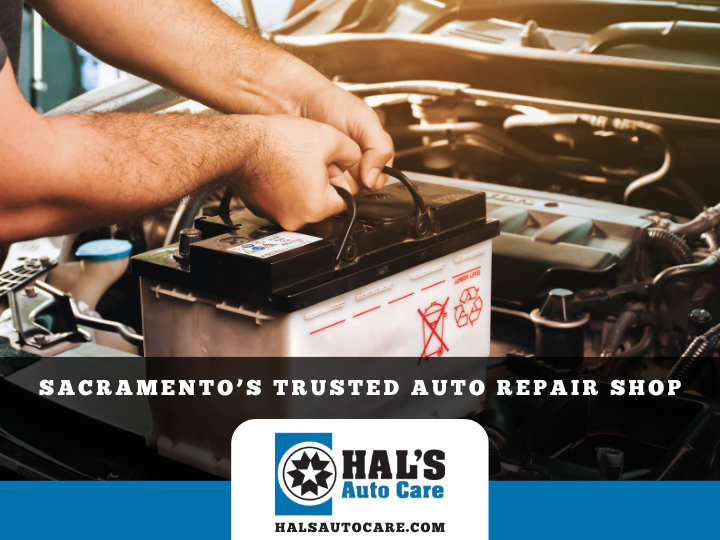
Voltage checks and cable inspections ensure your car starts reliably and electronics operate as designed.
Cooling System Flushes
Removes scale, rust, and buildup that restrict flow and cause overheating.
Suspension Repairs
Worn shocks and struts reduce control and stability; replacements restore handling and comfort.
Fluid Services
Transmission, differential, and power steering fluids degrade over time and must be replaced to prevent wear.
These repairs form a system of reliability—each one supports the next.
8. The Role of Documentation
Every visit to a professional repair shop builds your car’s service history—a record that proves you’ve protected your investment.
This documentation isn’t just paperwork. It helps track wear patterns, schedule upcoming maintenance, and increase resale value.
A car with full service records tells a story of care. Buyers, insurers, and lenders see it as proof of reliability and responsibility.
9. Environmental and Local Impact
Drivers in Sacramento, Arden-Arcade, and Carmichael experience specific wear patterns based on California’s unique driving conditions.
Local Factors Include:
- High summer temperatures, which break down oil and coolant faster.
- Stop-and-go traffic, which stresses brakes and transmissions.
- Urban dust and debris, which clog filters and sensors.
- Dry conditions, which crack rubber hoses and belts.
These elements accelerate wear, making preventative maintenance even more crucial. Local knowledge matters—technicians who understand regional driving habits and climate can tailor your care plan for maximum lifespan.
10. The Emotional Value of a Reliable Vehicle
Reliability creates emotional stability. When you know your vehicle is dependable, you eliminate stress and uncertainty.
Every start, every trip, every commute becomes simpler when you can trust your car. You’re not waiting for something to go wrong—you’re free to focus on your life, work, and family.
That peace of mind comes from consistent maintenance. It’s not just mechanical; it’s psychological. A well-maintained car reflects a well-managed life—structured, predictable, and resilient.
11. Maintenance as Leadership
Maintenance is leadership in motion. It’s accountability expressed through consistent action.
When you maintain your car proactively, you’re practicing the same discipline that drives success in any area—taking responsibility before crisis forces you to.
It’s the same principle that separates average results from excellence: consistent attention to small details that create big results over time.
Every oil change, inspection, and brake service is an act of ownership. You’re leading your vehicle, not following its problems.
12. Choosing a Shop You Can Trust
The right repair shop transforms maintenance from a chore into a partnership.
A trustworthy shop provides:
- Certified technicians with deep experience and training.
- Transparent estimates before work begins.
- Digital inspections with clear photos and explanations.
- High-quality parts and fluids that match manufacturer standards.
- Warrantied work that protects your investment.
A professional relationship with your shop gives you clarity, confidence, and a predictable plan for your car’s future. Trust isn’t built through promises—it’s built through consistency.
13. The Long-Term Return on Maintenance
Every maintenance visit has a compounding effect:
- It extends component life.
- It maintains fuel efficiency.
- It reduces emissions.
- It protects resale value.
- It minimizes unexpected downtime.
Vehicles are long-term assets. Treat them with care, and they return that investment through years of reliable service.
14. General Repairs You Can Depend On in Sacramento, CA
For drivers throughout Sacramento, Arden-Arcade, Carmichael, Fair Oaks, and North Highlands, one shop continues to stand out for its precision, honesty, and craftsmanship—Hal’s Auto Care.
Located at 2425 Tower Ave, Sacramento, CA 95825, Hal’s Auto Care provides comprehensive general repairs and maintenance designed to protect your vehicle and your peace of mind.
Their certified technicians handle everything from diagnostics and brake service to full system maintenance and fluid exchanges. Every inspection is thorough, every explanation clear, and every repair done with integrity.
They don’t just fix cars—they preserve trust.
To schedule your next service, call (916) 485-9215 or visit halsautocare.com/services.
15. Final Thought: Maintenance Is the Foundation of Freedom
Freedom on the road begins with reliability under the hood.
A well-maintained vehicle gives you time, safety, and confidence. It keeps you in control, not at the mercy of breakdowns or surprises.
Maintenance isn’t about the car—it’s about the driver. It’s about taking ownership, leading with foresight, and understanding that every small act of care builds long-term freedom.
Because when you take care of your vehicle, it takes care of everything else—your safety, your time, and your peace of mind.
You can watch the video