Vehicle Inspection
Vehicle Inspection
Vehicle Inspection: The Key to Safety, Reliability, and Peace of Mind on Sacramento Roads
Introduction – Awareness Is the Foundation of Automotive Confidence
Most drivers assume that if their car starts and drives, it must be fine. But safety and reliability aren’t built on assumption — they’re built on awareness.
A vehicle inspection is not just a technical process. It’s an act of responsibility — the difference between reacting to breakdowns and preventing them. It’s how you take control of your vehicle’s performance, safety, and longevity.
Here in Sacramento, where temperatures swing from cool mornings to triple-digit afternoons and traffic can go from gridlock on I-80 to open stretches through Carmichael and Fair Oaks, your car endures more than you realize. A professional inspection ensures that endurance doesn’t turn into fatigue.
Whether you drive daily to work, run a family SUV, or maintain a performance vehicle, inspection is what transforms “it’s probably fine” into “I know it’s right.”
What a Professional Vehicle Inspection Really Covers
A professional inspection is far more than a glance under the hood. It’s a systematic evaluation of every major system that keeps your vehicle safe, efficient, and dependable. Certified technicians use both expertise and diagnostic technology to detect problems long before they cause breakdowns.
Here’s what that includes:
1. Exterior and Safety Systems
- Headlights, Taillights, and Signals: Tested for brightness, alignment, and response.
- Wipers and Windshield Condition: Checked for visibility, streaking, or cracks.
- Tires and Wheels: Tread depth, inflation, and wear patterns are measured for traction, handling, and safety.
Visibility and traction form the foundation of driving safety — and inspections verify that both are working in your favor.
2. Braking System
- Brake pads, rotors, and calipers are measured for wear.
- Brake fluid is inspected for contamination and proper hydraulic pressure.
- The parking brake is tested for function and adjustment.
Sacramento traffic demands confidence in your brakes — whether you’re creeping down J Street or merging at highway speeds. An inspection ensures that confidence is earned, not assumed.
3. Suspension and Steering
- Shocks, struts, and bushings are checked for leaks, wear, or looseness.
- Steering linkages are inspected for play and alignment.
- Tire angles are measured to verify correct alignment and balance.
A healthy suspension keeps your car stable, your tires lasting longer, and your steering precise — even after months of navigating potholes or uneven pavement through Arden-Arcade and Rancho Cordova.
4. Underhood and Powertrain Systems
- Belts, hoses, and seals are examined for cracks, leaks, and fatigue.
- Engine oil, coolant, transmission, and brake fluids are analyzed for level and condition.
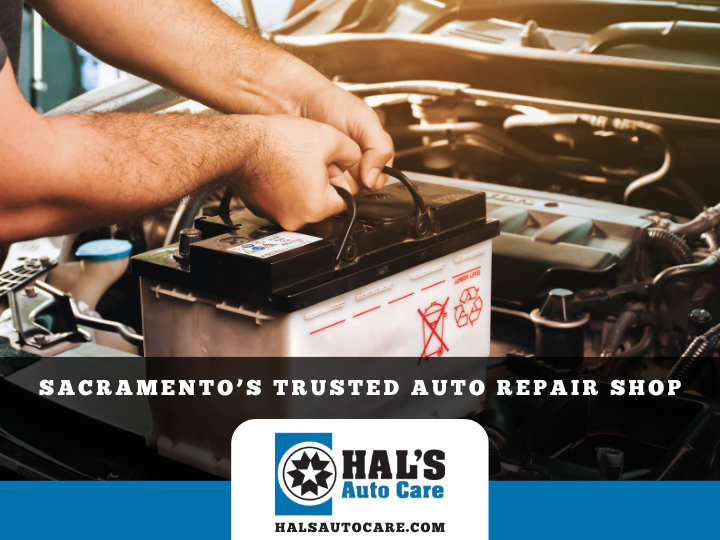
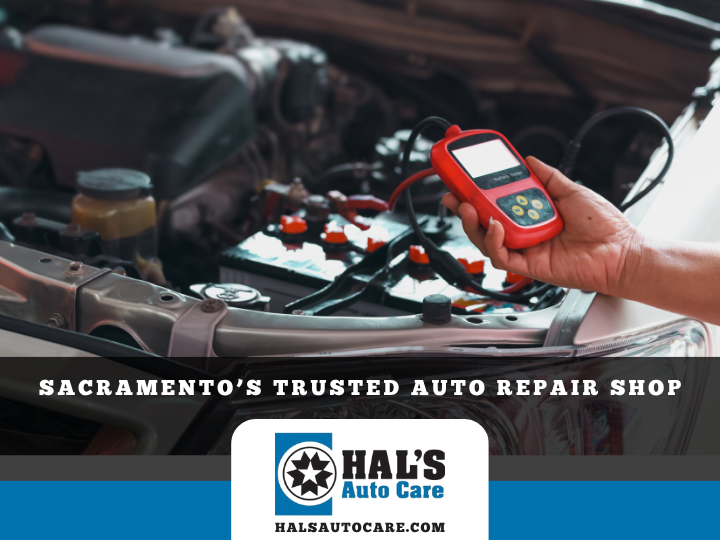
- The battery, alternator, and charging system are voltage-tested for consistency.
Each of these elements supports the others. When one wears down, it strains the rest. An inspection restores balance by catching weak links before they fail.
5. Underbody and Exhaust
- Exhaust components are checked for leaks, corrosion, and integrity.
- The frame and mounts are inspected for rust or damage.
- Fluid leaks are traced to their origin.
In California’s heat and occasional rain, rust and corrosion often go unnoticed until damage is significant. A thorough underbody inspection protects your car from the ground up.
The Real Purpose of Vehicle Inspections: Awareness, Not Repair
Many people think inspections exist to “find something wrong.” In reality, they exist to ensure everything is right.
An inspection gives you information — not pressure. It provides a clear picture of your car’s condition so you can make informed decisions with confidence, not fear.
That awareness protects:
- Your Safety – Knowing that brakes, tires, and steering are sound.
- Your Time – Avoiding breakdowns and roadside emergencies.
- Your Investment – Catching wear early so your vehicle lasts longer.
Most costly repairs begin as small, preventable issues — a vibration, a leak, a loose connection. Inspections catch these before they evolve into emergencies.
The Power of Preventive Maintenance
A car’s health depends less on mileage and more on maintenance. Preventive inspection is the heartbeat of that maintenance — it tells you what your car needs now and what will need attention soon.
1. Fluids and Filters
Your car relies on clean fluids to cool, lubricate, and protect its systems. Inspections track changes in fluid condition over time, revealing issues like contamination or internal wear before they escalate.
2. Alignment and Balance
Even small misalignments cause uneven tire wear, reduce fuel efficiency, and strain suspension parts. Routine inspections keep everything in harmony.
3. Electrical and Battery Health
California heat accelerates battery degradation. Voltage testing during inspection confirms your electrical system’s integrity before you’re left stranded.
4. Cooling System Check
Sacramento summers test your vehicle’s cooling capacity. Inspecting coolant strength, hoses, and fan operation prevents overheating — one of the most common and expensive local breakdowns.
Preventive care doesn’t just protect your car; it protects your schedule, budget, and peace of mind.
When to Schedule a Vehicle Inspection
The best time for an inspection is before you think you need one. Proactive timing transforms maintenance from an emergency response into a reliable system.
Recommended Frequency:
- Twice a Year: A comprehensive inspection every six months — once before winter, once before summer.
- Before a Road Trip: Long drives demand full confidence in your vehicle’s systems.
- Before Warranty Expiration: Catch covered repairs before coverage ends.
- After Impact or Rough Driving: Curb strikes, potholes, or long off-road trips can affect alignment and suspension.
Drivers in Sacramento, Arden-Arcade, and Carmichael benefit from seasonal checks due to varying temperatures, local dust, and high mileage conditions common in the area.
What Happens If You Skip Inspections
Skipping inspections doesn’t save time or money — it shifts cost and risk into the future.
Neglect allows small mechanical changes to multiply until they create major problems.
Here’s what often happens:
- Brake Fade: Fluid absorbs moisture, reducing pressure and increasing stopping distance.
- Overheating: Minor leaks in cooling systems turn into costly radiator or head gasket failures.
- Alignment Damage: Worn bushings lead to poor handling and tire blowouts.
- Battery Failure: Heat and corrosion reduce starting power when you least expect it.
Every skipped inspection silently reduces safety, reliability, and value.
What to Expect During a Professional Inspection
A great inspection doesn’t leave you guessing. It provides proof, clarity, and understanding.
At a professional facility, you’ll receive:
- A Multi-Point Digital Vehicle Inspection (DVI) — with photos, videos, and technician comments.
- A Color-Coded Report — green (good), yellow (watch soon), red (needs attention).
- Clear Explanations — no jargon, no confusion, just facts and options.
- Prioritized Recommendations — based on safety first, performance second, and preventive maintenance third.
Transparency turns inspection into empowerment. You leave not only knowing what’s happening — but understanding why.
The Difference Between State Inspections and Comprehensive Inspections
In California, smog and emissions inspections are required for most vehicles. These ensure your car meets environmental standards. But that’s only a fraction of what’s necessary for true reliability.
A comprehensive vehicle inspection goes beyond legal compliance. It evaluates:
- The mechanical health of every system.
- The long-term effects of wear and driving habits.
- The performance relationships between suspension, brakes, and powertrain.
- Early warning signs like fluid contamination or noise patterns.
Smog checks prove compliance. Comprehensive inspections ensure confidence.
Local Relevance – Why Sacramento Drivers Need Regular Inspections
Sacramento drivers face a unique combination of climate and driving conditions that accelerate wear:
- Heat Exposure: Prolonged summer temperatures increase stress on cooling systems, fluids, and batteries.
- Urban Stop-and-Go: Daily commutes wear down brakes and transmissions faster than highway driving.
- Dust and Air Quality: Fine dust particles clog filters and reduce performance.
- Seasonal Moisture: Occasional rain introduces rust and corrosion risks under the vehicle.
Regular inspections mitigate these challenges. For drivers in Sacramento, Arden-Arcade, Carmichael, Fair Oaks, Citrus Heights, and Rancho Cordova, consistent inspections aren’t optional — they’re the foundation of long-term reliability.
The Relationship Between You and Your Technician
Trust is built on transparency — and transparency begins with inspection.
When your technician provides photos, condition ratings, and straightforward explanations, you gain not just mechanical confidence but emotional certainty. You see what they see. You understand your vehicle’s health at a glance.
This kind of clarity transforms how you approach car care. It removes fear, builds trust, and creates a partnership built on shared goals — your safety, your reliability, and your long-term value.
The Emotional Intelligence of Inspection
Inspection mirrors emotional intelligence in leadership and life: awareness before reaction.
You don’t wait for problems — you look for them. You act from knowledge, not emotion.
The most successful people don’t avoid challenge; they anticipate it. The same is true in vehicle ownership. A disciplined inspection routine reflects a mindset of foresight, responsibility, and composure — the hallmarks of leadership both on and off the road.
The True Reward: Confidence
Confidence behind the wheel is not a feeling — it’s a fact. It’s knowing your brakes, fluids, and suspension have been verified by professionals. It’s the calm that comes from clarity.
When your vehicle has been thoroughly inspected, you no longer drive in uncertainty. You drive with certainty — the kind that keeps you and everyone around you safer.
That’s the invisible power of inspection: emotional peace through mechanical precision.
The Long-Term Value of Consistency
Every inspection builds data — a history of your car’s health that reveals wear trends, component lifespans, and system relationships. Over time, this data becomes predictive. You’ll know when to plan maintenance, how to extend life, and where to invest for maximum performance.
Long-term success in vehicle ownership, like success in business, is built on systems.
Inspection is that system — structure that produces reliability.
Your Local Vehicle Inspection Experts in Sacramento, CA
At Hal’s Auto Care, we believe that professional inspections are the foundation of automotive confidence. Our ASE-certified technicians use advanced diagnostic technology and detailed digital inspections to deliver clarity, trust, and precision with every visit.
You’ll receive honest evaluations, clear communication, and photos of your vehicle’s condition — so you can make informed decisions with confidence, not confusion.
Whether you’re in Sacramento, Arden-Arcade, Carmichael, Fair Oaks, Citrus Heights, or Rancho Cordova, Hal’s Auto Care is your trusted partner for keeping your vehicle safe, reliable, and ready for every road ahead.
Visit us today at:
Hal’s Auto Care
2425 Tower Ave, Sacramento, CA 95825
Call:
(916) 485-9215
https://halsautocare.com/services/
You can watch the video