Green Auto Repair in Sacramento, CA | Hal’s Auto Care
Green Auto Repair in Sacramento, CA | Hal’s Auto Care

Green Auto Repair in Sacramento, CA: What Happens to the Oil, Fluids, Batteries, Tires, and Parts Removed From Your Car?
Most customers judge an auto repair by what happens to their vehicle. Does it run properly? Is the warning light gone? Are the brakes dependable? Does the air conditioner blow cold again?
Those results matter. Yet another part of the repair continues after the vehicle leaves the service bay.
The old oil, dirty filters, removed fluids, depleted battery, worn parts, damaged electronics, used tires, and recovered refrigerant are still at the shop. Each material needs an appropriate destination.
For drivers in Sacramento, Arden-Arcade, Carmichael, Rancho Cordova, North Highlands, Citrus Heights, and nearby communities, green auto repair includes everything a professional shop does to manage those materials responsibly.
Used oil can be collected for processing. Automotive batteries can enter established recovery systems. Metal parts can be separated for recycling. Refrigerant can be captured during air-conditioning service. Tires can be collected instead of entering ordinary trash.
Green auto care also means protecting the vehicle you already own. Timely maintenance and accurate repairs help existing parts last longer, reduce unnecessary replacement, and preserve the materials already invested in the vehicle.
Your Used Motor Oil Does Not Have to Become Waste
Oil performs several critical jobs inside an engine. It lubricates moving components, carries heat, suspends contaminants, reduces friction, and helps protect metal surfaces.
As the miles accumulate, the oil collects dirt, moisture, combustion byproducts, and microscopic wear particles. The additives that support its performance also become depleted. Eventually, the oil and filter need to be replaced.
The used oil that drains from the engine should be captured and transferred into designated storage. Secure containment keeps it away from soil, storm drains, and water.
A collection company can then transport it to a processor. Depending on the program, used oil may be re-refined into base stock for new lubricants or prepared for another industrial use.
The EPA explains that used oil can be recycled repeatedly. Re-refining removes contaminants so the recovered material can be used again, while requiring less energy than producing base oil from crude oil.
That gives an ordinary oil change a broader purpose. The fresh oil protects the engine, and the removed oil may continue providing value after processing.
Quick tip: If you change your oil at home, store the used oil in a clean, leak-resistant container. Confirm that the collection location accepts motor oil and ask whether it has packaging requirements.
An Oil Filter May Contain Two Recoverable Materials
The filter removed during an oil change can still hold oil inside it.
Traditional spin-on filters usually have a metal shell surrounding the filter material. Proper draining allows the remaining oil to join the used-oil collection stream. The metal portion may then be suitable for processing as scrap.
The distinction matters because combining materials without considering their composition can interfere with recycling. A filter containing residual oil should not be treated like an ordinary piece of clean metal.
A responsible process recovers the remaining oil, identifies the filter construction, and directs each portion toward an appropriate destination.
Quick tip: Ask an automotive collection facility whether it accepts used filters. Do not place an oil-soaked filter in a household recycling container.
Automotive Fluids Must Be Identified and Kept Organized
A modern vehicle contains several fluids, and they are not interchangeable.
Transmission fluid lubricates and may transfer hydraulic pressure. Engine coolant manages temperature and protects the cooling system. Brake fluid transfers force to the brakes. Differential and transfer-case lubricants protect gears and bearings. Some vehicles also use hydraulic power-steering fluid.
When maintenance or repairs remove these fluids, the shop needs to know what each material is and where it belongs.
Some petroleum-based lubricants may be accepted in a used-oil recovery stream. Coolant can be collected separately and may be treated or recycled through a specialized service where that option is available.
Brake fluid, contaminated gasoline, diesel fuel, washer fluid, and cleaning liquids have different chemical properties. They require collection and handling suited to the material.
Combining incompatible fluids may turn a recoverable product into a contaminated mixture that is more difficult to manage. Clearly marked containers and trained employees help prevent that problem.
An organized shop treats fluid handling as part of completing the repair. The job continues from the drain pan to storage and then to the collection company.
Quick tip: Never mix unidentified automotive liquids. Keep each fluid in a labeled container until an appropriate collection service tells you how it should be handled.
Batteries Belong in Specialized Recovery Systems
An old automotive battery may no longer start the vehicle, but its materials can still have significant value.
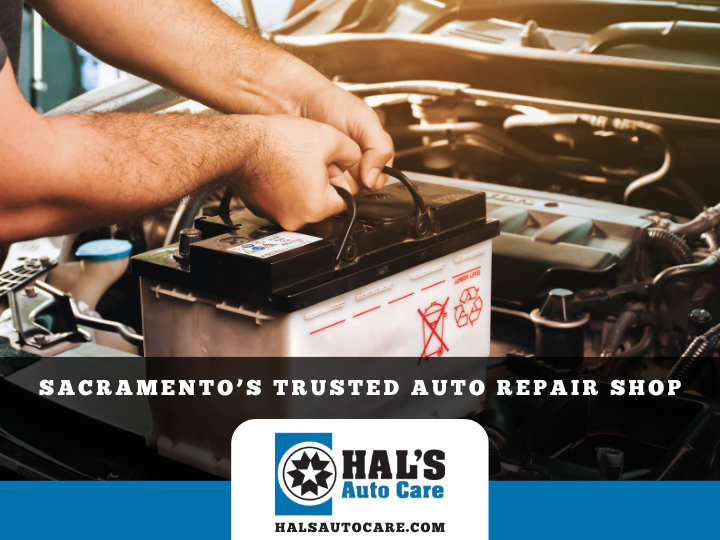
A traditional lead-acid starting battery contains lead, plastic, and electrolyte. When a repair shop installs a replacement, the removed battery can be returned through a supplier or transferred to a battery recycler.
This established recovery system keeps the battery out of ordinary trash while allowing processors to recover useful materials.
The EPA identifies lead-acid batteries as one of the most recycled consumer products and directs vehicle owners to return them through appropriate battery collection channels.
Vehicles can contain more than one battery. Hybrid and electric vehicles use high-voltage battery systems with chemistries, designs, and handling needs that differ from conventional starting batteries. These systems require trained technicians, appropriate equipment, and a collection route suited to the battery.
Electronic accessories, key fobs, diagnostic equipment, and shop tools may also use rechargeable batteries that should enter a suitable collection program.
Quick tip: A damaged, leaking, swollen, or unusually hot battery needs careful handling. Contact a professional before attempting to remove or transport it.
Tires Should Deliver Their Full Safe Life First
Recycling a tire is useful. Preventing premature tire replacement can be even better.
Sacramento’s summer heat can increase the stress placed on tires. Stop-and-go traffic, potholes, road debris, alignment, inflation, vehicle load, and suspension condition can also affect tire life.
Underinflation increases flex and heat buildup. Incorrect alignment can rapidly wear one edge of the tread. Worn suspension or steering parts can produce cupping, feathering, and other irregular patterns.
If new tires are installed without identifying the cause of abnormal wear, the same problem can begin damaging the replacement set.
A professional inspection evaluates tread depth, wear patterns, inflation, age, visible damage, and the components controlling the tire’s contact with the road.
When a tire reaches the end of its safe life, a shop can direct it through an appropriate collection service. Depending on the processor, tire materials may be recovered for other products or approved applications.
Quick tip: Check all four tires rather than looking only at the easiest one to see. Wear can vary by axle, position, alignment, and suspension condition.
Worn Metal Components Still Have Material Value
Brake rotors, drums, exhaust components, brackets, radiators, condensers, wiring, electric motors, suspension parts, and other automotive components contain recoverable metals.
Steel, iron, aluminum, and copper can be separated and transferred to processors that prepare those materials for another manufacturing cycle.
Recycling reduces demand for newly extracted natural resources, conserves energy, and diverts material from landfills.
The environmental goal is to preserve useful material wherever a practical recovery path exists and responsibly handle anything that cannot be recycled.
Air-Conditioning Service Includes Refrigerant Recovery
In Sacramento, reliable air conditioning is more than a minor comfort during the hottest part of the year.
The refrigerant circulating through the system requires special attention during service. When a repair requires opening the refrigerant circuit, recovery equipment captures the material.
Depending on its condition and the repair process, refrigerant may be cleaned for reuse or sent to an appropriate processor.
Finding the source of a leak is also important. Adding refrigerant may temporarily restore cooling, but it does not correct the failed seal, hose, condenser, compressor, evaporator, or other component allowing the refrigerant to escape.
A complete diagnosis looks for the source. Repairing the leak provides a longer-lasting result and reduces continued refrigerant loss.
The EPA explains that repairing leaking air-conditioning components provides longer-lasting benefits than repeatedly topping off the system.
Quick tip: If your air conditioner cools well after service and then gradually becomes warm again, note how quickly the change occurs. That timeline may help with diagnosis.
Green Auto Repair Includes Electronics and EV Components
Modern vehicles rely on computers, sensors, modules, wiring, cameras, electric motors, and advanced battery systems.
When one of these components fails, diagnosis is especially important. A communication problem, damaged wire, weak connection, software issue, or power-supply fault may create symptoms that appear to point toward an expensive electronic module.
Replacing the module before testing the circuit can waste both the original component and its replacement.
Electrical and electronic parts also contain mixed materials. Circuit boards, copper wiring, aluminum housings, plastics, and small batteries may require specialized recycling or recovery.
Hybrid and electric vehicles add high-voltage components, drive motors, inverters, converters, cooling systems, and battery-management electronics. Protecting these systems through proper maintenance and skilled diagnosis helps prevent avoidable replacement.
The Small Materials in a Repair Shop Add Up
Automotive service generates more than fluids and large components.
Parts arrive in cardboard boxes, plastic wrap, foam, and other packaging. Technicians may use shop towels, absorbent pads, gloves, cleaning solutions, brushes, and filters.
Repairs can leave behind belts, hoses, bulbs, damaged wiring, cabin filters, engine air filters, empty product containers, and broken plastic trim.
Clean cardboard and suitable metal may enter a recycling program. Electronic items can be collected for specialized processing. Reusable shop towels may go through an industrial laundering service. Contaminated materials require handling based on what they contain.
Maintaining Your Vehicle Preserves the Resources Already in It
Every vehicle represents an enormous investment of materials and energy.
Steel and aluminum form the body, engine, transmission, suspension, and wheels. Copper carries electricity. Glass, rubber, plastic, fabric, and electronic components appear throughout the vehicle.
Before those materials became transportation, they had to be extracted, refined, manufactured, assembled, and shipped.
Keeping a safe, dependable vehicle in useful service allows those resources to continue performing their intended purpose.
Maintenance protects more than the individual item being serviced. Fresh oil helps protect the engine. Cooling-system care may prevent overheating. Transmission maintenance supports gears, bearings, valves, and other internal components. Alignment and suspension repairs help protect tires.
A small leak can also create larger problems. Oil or coolant may damage rubber components. A cooling-system leak can lead to overheating. A worn belt can cause a breakdown and secondary damage.
Correcting the original concern may prevent the replacement of a much larger assembly.
Quick tip: Tell your service advisor how long you intend to keep the vehicle. That goal helps shape a maintenance plan around the future you expect from it.
Doing the Repair Right the First Time Prevents Waste
A symptom tells you that something is wrong. It does not always reveal the cause.
A vehicle that will not start may have a battery problem, charging problem, poor connection, starter concern, or unwanted electrical draw. A vibration may come from a tire, wheel, brake, axle, mount, or suspension component.
Replacing the most obvious part without adequate testing can leave the original problem unresolved.
The customer may return for additional work, lose the use of the vehicle again, arrange alternate transportation, or experience a breakdown. More components may be installed, and connected parts may suffer damage while the real cause remains.
The environmental cost grows as well. Every unnecessary part requires raw material, manufacturing, packaging, warehousing, and transportation. The removed component then needs recycling or disposal.
Professional diagnosis uses testing, measurements, inspection, technical information, and experience to narrow the cause. Verification after the repair confirms whether the work corrected the concern.
Doing the job right the first time protects the customer’s time, the vehicle’s existing components, and the resources required to produce replacement parts.
Preventive Care Can Cost Less Than the Failure It Prevents
Delaying a small service need can allow it to become a larger repair.
A minor coolant leak may progress until the engine overheats. Irregular tire wear may destroy otherwise usable tread. A fluid leak may damage nearby hoses, mounts, or wiring. A charging problem may repeatedly deplete batteries.
The additional cost can appear through more parts, more labor, towing, missed work, lost transportation, and damage to a connected system.
Preventive care does not mean replacing every component early. It means inspecting the vehicle, measuring wear, monitoring developing conditions, and addressing concerns at the appropriate time.
A professional shop should help the customer understand what needs immediate attention, what affects reliability, and what can be planned for later.
Better Vehicle Performance Can Reduce Resource Use
A vehicle operating correctly can use fuel and components more efficiently.
Proper tire inflation reduces unnecessary rolling resistance and helps tires wear as intended. Correct motor oil supports engine operation. Addressing engine performance problems can reduce wasted fuel and excessive emissions.
The Department of Energy and EPA recommend proper tire inflation, using the correct oil, and responding promptly to engine concerns as practical ways to support efficient vehicle operation.
Sacramento drivers should also account for local operating conditions. High temperatures can place additional stress on batteries and cooling systems. Traffic can increase idling and brake use. Dust can affect filters, while frequent short trips may prevent the engine from spending much time at full operating temperature.
Time, mileage, service history, vehicle condition, and driving habits should all be considered when building a maintenance plan.
Green Auto Repair at Hal’s Auto Care in Sacramento
Hal’s Auto Care has served Sacramento-area drivers since 1979.
The shop provides oil changes, filter and lubrication services, vehicle diagnostics, electrical-system repair, transmission repair and fluid services, suspension work, brake repair, air-conditioning service, and EV and hybrid repair.
That range of services creates responsibility for many different materials. Used oil, filters, coolant, transmission fluid, brake fluid, batteries, refrigerant, metal components, tires, electronics, and shop supplies all require appropriate handling after removal.
Hal’s Auto Care’s green outlook includes directing these materials toward proper recycling, recovery, or disposal.
Its diagnostic capabilities also support environmental responsibility. Finding the cause before replacing parts helps preserve working components and prevents unnecessary waste.
For customers in Sacramento, Arden-Arcade, Carmichael, Rancho Cordova, North Highlands, Citrus Heights, and nearby communities, this creates a complete approach to vehicle care.
The customer receives a repair or maintenance plan based on the vehicle’s needs. Removed materials receive responsible attention. Accurate diagnosis reduces unnecessary replacement. Preventive care protects the components and resources already built into the vehicle.
Green auto repair happens through hundreds of decisions that customers may never see. It happens when used oil is captured, a battery enters a recovery system, refrigerant is collected, metal is separated, and a leak is repaired before it damages a larger system.
It also happens every time professional maintenance helps a safe, dependable vehicle remain useful for another year.
To schedule maintenance, diagnostics, or repairs, visit Hal’s Auto Care at 2425 Tower Ave, Sacramento, CA 95825. Call (916) 485-9215 or explore the available services at Hal’s Auto Care.
You can watch the video