My check engine light is on
My check engine light is on
The Amber Warning: A Comprehensive Guide to Understanding Your Check Engine Light
It often happens at the most inconvenient times. You are merging onto the Business 80 during rush hour, heading out for a weekend trip to the Sierras, or simply idling in the drive-thru line. A small, amber-colored silhouette of an engine block illuminates on your instrument cluster. Sometimes it is accompanied by the text "CHECK ENGINE" or "SERVICE ENGINE SOON."
For the vast majority of drivers, this signal triggers an immediate physiological response: stress. Unlike the low fuel light, which has a clear and simple solution, or the door ajar light, which is easily rectified, the Check Engine Light—technically known as the Malfunction Indicator Lamp, or MIL—is shrouded in ambiguity. It offers no explanation of the problem, no timeline for failure, and no indication of the severity. Is the vehicle safe to drive? Is the engine about to suffer catastrophic failure? Is it simply a loose wire?
This uncertainty often leads to two polar opposite reactions. Some drivers panic and pull over immediately, fearing their vehicle will leave them stranded. Others, perhaps desensitized by a previous false alarm, choose to ignore the light entirely, placing a piece of black tape over it or simply looking the other way until the vehicle’s performance degrades noticeably. Neither approach is ideal. The light is not a random annoyance; it is a sophisticated communication tool from your vehicle’s onboard computer. Understanding how this system works, what triggers the warning, and the importance of professional diagnosis can transform that anxiety into informed action.
The Evolution of On-Board Diagnostics (OBD-II)
To truly understand what the light means, one must look at the technology behind it. In the early era of the automobile, diagnosing an engine issue was a mechanical art form. Mechanics relied on their senses—listening for knocks, smelling for unburnt fuel, and feeling for vibrations. While effective for simple machines, this approach could not keep pace with the increasing complexity of modern engines and the tightening of environmental regulations.
As the government began to enforce stricter emissions standards to combat smog and air pollution, manufacturers turned to electronic fuel injection and computer control. This evolution culminated in 1996 with the implementation of OBD-II (On-Board Diagnostics, Generation 2). This federal standard mandated that every passenger vehicle sold in the United States be equipped with a standardized diagnostic port and a universal language for reporting system failures.
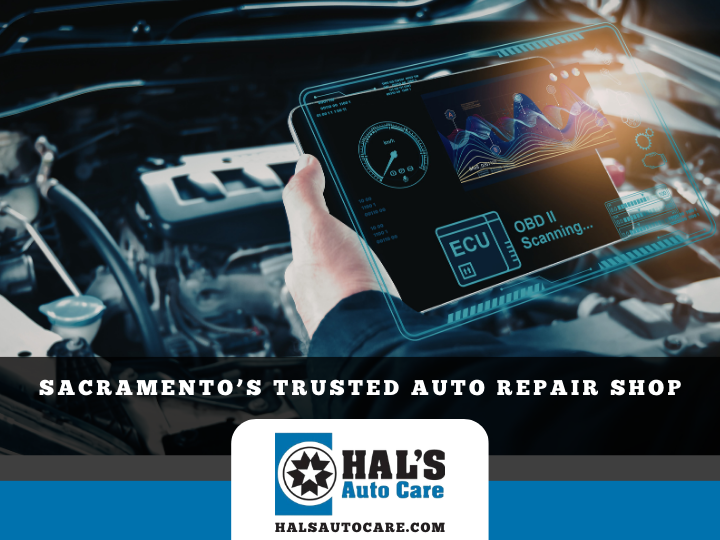
Today, your vehicle is essentially a rolling network of computers. The Engine Control Unit (ECU) or Powertrain Control Module (PCM) acts as the central brain. It receives a constant stream of data from dozens of sensors that monitor everything from the ambient air temperature and barometric pressure to the speed of the camshafts and the oxygen content of the exhaust gases. The ECU processes this data thousands of times per second, making micro-adjustments to fuel delivery and ignition timing to ensure the engine runs as efficiently and cleanly as possible.
When the Check Engine Light illuminates, it means the ECU has detected a reading from one of these sensors that falls outside of the "normal" programmed parameters. It is a notification that the system can no longer maintain the optimal balance required for emissions compliance. The computer stores a "Diagnostic Trouble Code" (DTC), which serves as the starting point for a technician to investigate the issue.
Deciphering the Signal: Steady vs. Flashing
Before diving into the mechanical causes, it is vital for every driver to distinguish between the two modes of the Check Engine Light. The behavior of the light itself conveys the urgency of the situation.
The Steady Illumination
In the vast majority of cases—likely over 90 percent—the light will turn on and stay solid. This is a "steady" illumination. It indicates that a permanent fault has been detected in the emissions or engine management system. While this requires attention, it is generally not an immediate emergency. You do not need to pull over on the shoulder of the freeway. The vehicle has likely entered a "backup" strategy, often called "limp mode" or "open loop," where it uses pre-programmed estimates rather than live sensor data to keep the engine running.
You can typically continue driving the vehicle to your destination, provided it is not overheating, smoking, or making alarming noises. However, you should schedule a diagnostic appointment as soon as possible. Driving for weeks or months with a steady light can lead to reduced fuel economy, increased pollution, and secondary damage to other expensive components.
The Flashing Light
If the Check Engine Light is blinking or flashing rhythmically, this is a critical warning. A flashing light indicates a severe, active engine misfire. A misfire occurs when the air-fuel mixture in one or more cylinders fails to ignite properly.
When a cylinder misfires, raw, unburnt gasoline is pumped out of the engine and into the hot exhaust system. This raw fuel eventually reaches the catalytic converter. The converter operates at extremely high temperatures to burn off pollutants. When raw fuel hits it, the converter acts like a furnace, causing temperatures to spike uncontrollably. This can melt the internal ceramic honeycomb structure of the converter in a matter of minutes, destroying it completely.
If your light is flashing, you must treat it as an emergency. Reduce your speed immediately, avoid heavy acceleration, and pull over as soon as it is safe to do so. Towing the vehicle to a repair facility is the only safe option to prevent catastrophic damage to the exhaust system and the engine itself.
The "Big Ten": Common Causes of Illumination
While there are thousands of potential diagnostic codes, statistics show that a specific group of components is responsible for the majority of Check Engine Lights. Understanding the function of these parts helps demystify the repair process.
1. Oxygen (O2) Sensors
The O2 sensor is one of the most hardworking components in your vehicle. Located in the exhaust system, its job is to measure the amount of unburnt oxygen leaving the engine. The ECU uses this data to determine if the engine is running "rich" (too much fuel) or "lean" (too much air).
These sensors live in a harsh environment of searing heat and corrosive exhaust gases. Over time, they can become coated in oil ash, carbon, or silicone, which slows their response time. When an O2 sensor becomes "lazy" or fails, the computer loses its ability to fine-tune the fuel mixture, leading to poor fuel economy and higher emissions.
2. The Catalytic Converter
The catalytic converter is an essential environmental device. It converts harmful pollutants like carbon monoxide, nitrogen oxides, and hydrocarbons into harmless carbon dioxide and water vapor.
A code indicating catalytic converter efficiency failure is a significant issue. However, converters rarely fail on their own. They are usually the victim of an upstream problem, such as a coolant leak, burning oil, or a chronic misfire that was ignored for too long. In states with strict emissions testing, a failed converter will result in an automatic inspection failure.
3. The Evaporative Emission (EVAP) System
You have likely heard that a loose gas cap can trigger the light. This is part of the EVAP system, which is designed to trap gasoline vapors in the fuel tank and prevent them from escaping into the atmosphere. The system stores the vapors in a charcoal canister and periodically purges them into the engine to be burned.
The computer regularly tests the integrity of this system by sealing it and monitoring the pressure. If the gas cap is loose, cracked, or missing, the system cannot hold pressure, and the light triggers. However, EVAP leaks can also be caused by cracked rubber hoses, a rusted fuel filler neck, or a faulty purge valve.
4. Mass Airflow (MAF) Sensor
For the engine to inject the correct amount of fuel, it must know exactly how much air is entering the intake. The Mass Airflow Sensor sits in the air intake duct and measures the volume and density of the air.
The MAF sensor is highly sensitive to contamination. Dust, debris, and oil (often from over-oiled aftermarket air filters) can coat the sensing element. When this happens, the sensor reports inaccurate airflow data to the computer, causing the engine to hesitate, stall, or idle roughly.
5. Spark Plugs and Ignition Coils
The internal combustion engine relies on a spark to ignite the compressed air-fuel mixture. This spark is generated by the ignition coils and delivered by the spark plugs. Spark plugs are wear items; over time, the electrode gap widens, requiring more voltage to jump the gap.
Eventually, a plug may fail to fire, or a coil may burn out under the stress. This results in a misfire, causing the engine to shake and the Check Engine Light to flash. Regular tune-ups are the best defense against this issue.
6. Vacuum Leaks
The engine acts as a giant air pump, creating a vacuum in the intake manifold. This vacuum is used to power various accessories. A vacuum leak occurs when unmetered air enters the engine through a cracked hose, a leaking intake manifold gasket, or a broken seal.
Because this air bypassed the MAF sensor, the computer does not know it is there and does not add enough fuel to compensate. This creates a "lean" condition, characterized by a hissing sound, a rough idle, and hesitation during acceleration.
7. Exhaust Gas Recirculation (EGR) Valve
To reduce the production of nitrogen oxides (NOx)—a key component of smog—engines use an EGR valve to recirculate a small amount of inert exhaust gas back into the intake. This lowers the combustion temperature.
Because this valve flows exhaust, it is prone to carbon buildup. Over time, chunks of carbon can cause the valve to stick open or closed. If it sticks open, the engine acts like it has a massive vacuum leak; if it sticks closed, the engine may "ping" or knock under load.
8. Thermostat and Cooling System
The engine is designed to run at a specific temperature (usually between 195°F and 220°F) for maximum efficiency. The thermostat regulates coolant flow to maintain this temperature. If a thermostat sticks open, the engine may never reach operating temperature. The computer monitors the warm-up time; if it takes too long, it sets a code. Running an engine too cold prevents the oil from flowing properly and keeps the engine in a fuel-wasting "warm-up" cycle.
9. Fuel Injectors
Fuel injectors are precision valves that spray gasoline into the engine. They must open and close in milliseconds. Over time, deposits from low-quality fuel can clog the nozzle, disrupting the spray pattern. This leads to incomplete combustion and misfires. Alternatively, the electrical solenoid inside the injector can fail, causing the injector to stop working entirely.
10. Battery and Charging System
Modern vehicles are incredibly sensitive to voltage. If the battery is weak or the alternator is failing, the voltage supplied to the computer and sensors may fluctuate. This can cause "ghost codes"—communication errors between modules that trigger the Check Engine Light even if the mechanical components are fine.
The Pitfalls of DIY Diagnostics
In the age of information, many drivers attempt to diagnose their own vehicles using inexpensive code readers or by visiting auto parts stores that offer "free scans." While retrieving the code is a necessary first step, it is important to understand that a code is not a diagnosis.
Think of a Diagnostic Trouble Code (DTC) like a zip code—it points the technician to the general neighborhood of the problem, but it does not identify the specific house. For example, a common code is P0171: "System Too Lean (Bank 1)." This means the O2 sensor is telling the computer there is too much air and not enough fuel. A novice might replace the O2 sensor, assuming it is broken. However, the O2 sensor is likely working perfectly—it is accurately reporting a vacuum leak, a low fuel pressure issue, or a dirty MAF sensor. Replacing the sensor would be a waste of resources.
Professional diagnostics involves a scientific process:
- Verification: Confirming the customer's complaint and analyzing "Freeze Frame" data to see the engine conditions when the code was set.
- Visual Inspection: Looking for obvious issues like disconnected wires or cracked hoses.
- Live Data Analysis: Using advanced scan tools to watch sensor values in real-time while the engine runs.
- Pinpoint Testing: Using multimeters, oscilloscopes, and smoke machines to test specific components and verify failures.
- Confirmation: Driving the vehicle through a specific "Drive Cycle" to ensure the repair is effective and the computer’s self-checks pass.
The Cost of Ignoring the Light
Because a steady Check Engine Light often does not stop the car from running, it is tempting to ignore it. However, procrastination almost always leads to higher costs down the road.
Reduced Fuel Economy: Many engine codes relate to air-fuel mixture management. When the system is not optimizing this mixture, the default strategy is often to add extra fuel to protect the engine. This means you could be burning significantly more gasoline than necessary every time you drive.
Emissions and Smog Checks: In California, a functional Check Engine Light is an automatic failure for a Smog Check. It does not matter how clean the exhaust actually is; if the light is on, or if the codes have been recently cleared without the monitors resetting, the vehicle cannot be registered. Ignoring the light until your registration renewal creates a stressful, time-sensitive emergency.
Collateral Damage: A small problem, left unchecked, creates a domino effect. A $50 thermostat that sticks open can cause the engine to run rich, which eventually destroys a $1,500 catalytic converter. A minor misfire from an old spark plug can ruin an ignition coil and the catalyst. Addressing the issue early stops this chain reaction.
Environmental Impact and Local Considerations
The Check Engine Light is fundamentally an emissions control device. Its primary purpose is to alert the driver that the vehicle is polluting more than it should. In the Sacramento Valley, where geography traps pollutants and air quality is a constant concern, maintaining your vehicle’s emissions system is a civic responsibility.
Furthermore, our local climate plays a role in vehicle health. The intense heat of Sacramento summers puts immense stress on cooling systems, batteries, and rubber components. Heat accelerates the degradation of vacuum hoses and plastic connectors, making them brittle and prone to cracking, which leads to vacuum leaks and EVAP codes. Being proactive with maintenance is the only way to combat the effects of our environment.
Preventative Maintenance: Keeping the Light Off
While electronic failures can be unpredictable, the best way to keep the Check Engine Light off is through consistent maintenance.
- Regular Oil Changes: Modern engines use oil pressure to control variable valve timing. Dirty or low oil can cause these systems to malfunction, triggering codes.
- Air and Fuel Filters: Changing filters prevents debris from fouling sensors and injectors.
- Spark Plug Intervals: Adhering to the manufacturer’s schedule for spark plugs protects ignition coils and converters.
- Gas Cap Care: Always tighten the cap until it clicks. If the seal is dry or cracked, replace it.
- Fluid Flushes: Keeping coolant fresh protects the thermostat and sensors from corrosion.
Trusted Expertise in Sacramento
When that amber light glows on your dashboard, it is a call for professional assistance. Navigating the complexities of modern automotive electronics requires more than just a code reader; it requires deep system knowledge, advanced diagnostic equipment, and a methodical approach to troubleshooting.
At our facility, we understand that a Check Engine Light can be a source of stress. Our goal is to provide clarity and peace of mind. We employ factory-level diagnostic tools and continuous training to ensure we identify the root cause of the issue, not just the symptom. We believe in transparency—explaining exactly what the code means, how we diagnosed the failure, and why the repair is necessary for the long-term health of your vehicle.
We are proud to serve the automotive needs of the Sacramento community. Our shop is conveniently located to assist drivers in the Arden-Arcade area, offering easy access for those living or working near Cal Expo and the Point West business district. We also frequently welcome clients from nearby neighborhoods such as Carmichael, North Sacramento, and the Sierra Oaks community.
We understand the specific driving conditions of the region, from the stop-and-go traffic on Business 80 and Howe Avenue to the high-temperature demands of the valley summers. We know how these factors influence your vehicle’s sensors and emission systems. Whether it is a simple EVAP leak caused by a worn gas cap or a complex electrical issue affecting the fuel injection, our team is equipped to handle it with precision and care.
Don't let the uncertainty of a dashboard warning linger. Ignoring the light rarely fixes the problem and often leads to more significant repairs later. Trust your vehicle to a team that values accuracy, integrity, and the safety of your family. We are here to decode the warning, fix the issue efficiently, and get you back on the road with a vehicle that runs clean and strong.
Technical Deep Dive: The Systems We Monitor
To further illustrate the complexity of what we do, let's look closer at the interplay between these systems. The Check Engine Light is the referee in a complex game of physics and chemistry happening under your hood.
The Feedback Loop
The engine management system operates on a "closed loop" feedback principle. The ECU commands the fuel injectors to open for a specific duration (measured in milliseconds). It then waits for the report from the O2 sensors to see if that duration was correct. If the O2 sensor says "too rich," the ECU shortens the injector pulse width on the next cycle. This happens dozens of times per second.
When a Check Engine Light comes on for a fuel trim issue, it means the ECU has reached the limit of its adjustment. It can no longer add or subtract enough fuel to satisfy the O2 sensor. This tells us the problem is not electronic, but physical—a vacuum leak letting in unmeasured air, or a fuel pump not delivering enough pressure. A simple code reader cannot tell you this distinction; only a skilled technician interpreting "fuel trim" data streams can pinpoint the cause.
The Misfire Monitor
Detecting a misfire is a feat of engineering. The ECU monitors the speed of the crankshaft via a magnetic sensor. The crankshaft speeds up slightly every time a cylinder fires (combustion event) and slows down slightly on the compression stroke. If a cylinder fails to fire, the crankshaft slows down more than expected. The computer measures these microscopic variations in rotational speed to identify exactly which cylinder missed a beat.
This level of sensitivity explains why a rough road can sometimes trigger a misfire code, and why having the right software updates from the manufacturer is crucial to prevent false alarms. We ensure your vehicle's software is up to date, addressing known glitches that might trigger the light unnecessarily.
The EVAP Monitor
The Evaporative Emission system is perhaps the most difficult to diagnose without professional equipment. The computer tests this system by closing the vent valve and opening the purge valve while the engine is running to create a vacuum in the fuel tank. It then closes both valves and watches a pressure sensor to see if the vacuum holds. If the vacuum decays too quickly, it knows there is a leak.
Finding a hole the size of a pinhead in 15 feet of fuel vapor lines running the length of the car is impossible with the naked eye. This is why we utilize smoke machines that inject a harmless, thick white vapor into the system. Under UV light, the escaping smoke reveals even the tiniest fractures in hoses or seals, allowing for a precise repair rather than guessing which part might be leaking.
Your Partner in Automotive Health
Ultimately, the Check Engine Light is designed to protect your investment. It is an early warning system that, if heeded, can save you from breakdowns and extensive repairs. It is also the guardian of our air quality, ensuring that vehicles on Sacramento roads are running as cleanly as designed.
We invite you to bring your vehicle to us whenever that amber light appears. We will provide a thorough, honest assessment of the situation. We prioritize repairs based on safety and severity, helping you make decisions that make sense for your vehicle and your situation. From the initial scan to the final test drive, our process is designed to restore your vehicle's performance and your confidence in it.
Whether you are driving a domestic truck, an Asian commuter car, or a European luxury sedan, the principles of combustion and emissions control remain the same, and our expertise covers them all. We are dedicated to keeping the Sacramento region moving, one diagnostic success at a time.
You can watch the video