Car wiring repair near me
Car wiring repair near me
Car Wiring Repair Near Me: Why Electrical Problems Need Proper Testing and Honest Answers
When someone searches for car wiring repair near me, it usually means something electrical has become frustrating, unreliable, or confusing. Maybe the car will not start every time. Maybe the battery keeps dying. Maybe the headlights flicker. Maybe the dashboard lights act strange. Maybe a fuse keeps blowing. Maybe a warning light comes on, goes away, and then returns. Maybe the power windows, locks, mirrors, wipers, radio, or climate control stop working without an obvious reason.
Electrical problems are difficult because they are often hidden. A worn tire can be seen. A leaking hose may leave fluid behind. A brake noise can be heard. But a wiring problem can hide behind the dashboard, under the hood, inside a door, near a fuse box, beneath a seat, along the frame, inside a connector, or deep in a wiring harness.
Modern vehicles rely on electrical communication more than ever. The battery, alternator, starter, sensors, modules, fuses, relays, switches, grounds, lights, connectors, and wiring harnesses all work together. When one wire is damaged, one connector corrodes, one ground weakens, or one circuit loses communication, the symptoms can feel random. One system may stop working. Several warning lights may appear. The vehicle may start one day and fail the next.
That is why car wiring repair should not be based on guessing. It should be based on proper testing, accurate diagnosis, clear communication, and repair work that addresses the root cause instead of temporarily hiding the symptom.
A repair shop that truly has the customer’s best interest at heart does not rush into replacing parts just because something electrical is acting up. It slows down enough to understand the vehicle, test the circuit, explain the findings, and help the customer make the right decision for safety, reliability, and long-term vehicle life.
Why Car Wiring Problems Can Be So Difficult
Electrical problems are different from many mechanical problems because they may not happen consistently.
A worn belt usually stays worn. A cracked hose usually continues to leak. A failed bearing usually continues to make noise. But an electrical problem may appear and disappear. A vehicle may start perfectly in the morning and fail later in the day. A warning light may come on during one drive and disappear during the next. A power window may work sometimes and stop working when the door is moved. A fuse may blow only when a specific system turns on. A battery may die overnight because something stayed powered after the vehicle was shut off.
That intermittent nature is what makes electrical concerns so frustrating for drivers.
Many customers describe the issue with statements like:
“My car only does it sometimes.”
“The battery keeps dying, but the battery tested good.”
“The fuse keeps blowing.”
“The light came on, went off, and now it is back.”
“The window works when it wants to.”
“The headlights flicker when I hit bumps.”
“The vehicle would not start yesterday, but now it starts.”
Those are not meaningless complaints. They are clues. They help a skilled technician understand the conditions under which the failure occurs.
Electrical problems may involve damaged wiring, poor grounds, loose terminals, corroded connectors, voltage drop, excessive resistance, open circuits, short circuits, failed relays, blown fuses, weak module communication, heat damage, water intrusion, rodent damage, or previous repairs that were not completed properly.
Because there are so many possibilities, guessing is not in the customer’s best interest. Testing is.
Common Signs You May Need Car Wiring Repair
Many vehicle owners wait to schedule electrical service because the symptoms may seem small at first. But small wiring problems can grow into larger safety and reliability concerns.
One common sign is an intermittent no-start condition. The vehicle may start normally one day and fail the next. This may involve the battery, starter, ignition switch, starter relay, fuse box, ground cable, wiring, security system, or module communication. Replacing the battery or starter without testing the circuit can leave the real problem unresolved.
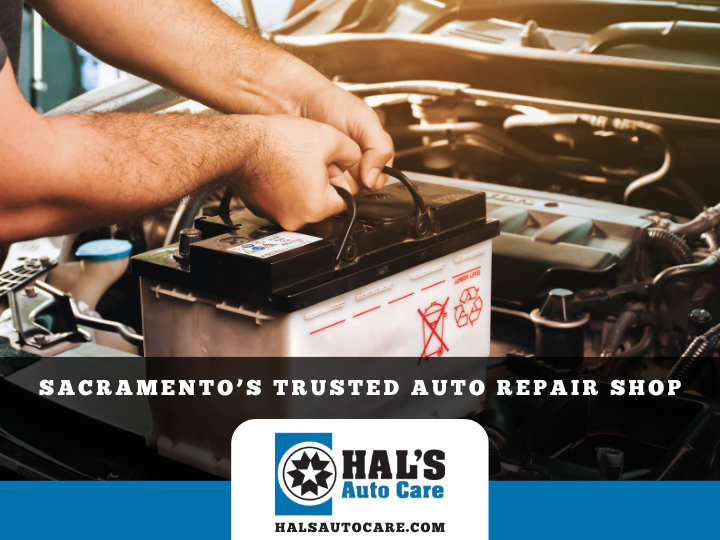
Another common symptom is repeated battery drain. If the battery is dead after sitting overnight or for a few days, the battery may not be the only issue. A module, relay, light, accessory, or circuit may be staying powered when the vehicle should be asleep. This is called a parasitic draw, and it requires proper testing.
Blown fuses are also important. A fuse protects a circuit. If the same fuse keeps blowing, replacing it over and over is not a repair. It means something in the circuit is drawing too much current or shorting where it should not.
Flickering lights can also point to electrical trouble. Headlights, brake lights, dashboard lights, interior lights, turn signals, and tail lights may flicker because of weak grounds, damaged wiring, poor connections, failing sockets, or charging system problems.
Power accessory failures are another sign. Power windows, power locks, mirrors, seats, wipers, blower motors, radios, backup cameras, charging ports, and climate controls all depend on wiring, switches, relays, connectors, modules, and grounds.
Warning lights may also appear because of wiring or circuit concerns. A check engine light, ABS light, airbag light, traction control light, battery light, or security light may turn on because a sensor circuit, connector, ground, or communication network is not operating correctly.
Burning smells, melted connectors, visible wire damage, or smoke should be addressed quickly. Electrical heat can damage surrounding components and may create a safety concern if ignored.
Why “Near Me” Matters for Electrical Repair
When you search for car wiring repair near me, you are usually looking for more than the closest shop. You are looking for someone close enough and skilled enough to help you solve a problem that may leave you stranded or unsure whether the vehicle is safe to drive.
Electrical concerns can make a vehicle feel unpredictable. A vehicle that starts sometimes but not always can fail at home, at work, at school, in a store parking lot, or during a commute. A lighting problem can become dangerous at night. A battery drain can disrupt your schedule. A warning light can create uncertainty every time you drive.
For drivers in Sacramento and the surrounding area, local driving conditions matter. Vehicles deal with hot summers, stop-and-go traffic, freeway commuting, dust, construction zones, seasonal rain, and long periods of heat exposure. Heat can weaken wiring insulation. Dust and debris can affect connectors and exposed components. Vibration from daily driving can expose weak points in wiring harnesses. Moisture after rain can create electrical symptoms that may not show up during dry weather.
Whether you drive along Tower Avenue, Fulton Avenue, El Camino Avenue, Arden Way, Howe Avenue, Watt Avenue, Capital City Freeway, Business 80, Highway 50, I-80, or commute through Sacramento, Arden-Arcade, Carmichael, North Highlands, Roseville, Citrus Heights, Rancho Cordova, Fair Oaks, Antelope, Natomas, or West Sacramento, dependable electrical systems matter.
A local shop that understands the area can look at the vehicle through the lens of how it is actually driven and used, not just through a generic checklist.
The Importance of Proper Electrical Diagnosis
The most important part of wiring repair is not the repair itself. It is the diagnosis.
A wiring issue cannot be repaired correctly unless the actual problem is found. That means the technician must understand the circuit, test the system, inspect the related components, and verify what is causing the symptom.
A diagnostic trouble code may point to a circuit, but it does not automatically identify the failed part. A dead battery may be caused by a draw, not by the battery itself. A blown fuse tells you which circuit is affected, but not why the circuit is failing. A warning light may indicate a sensor problem, but the actual issue may be wiring, a connector, a ground, or module communication.
A proper diagnostic process starts with listening to the customer’s concern. When did the problem begin? Does it happen every time? Does it happen after the vehicle sits? Does it happen after driving in heat? Does it happen after rain? Does it happen when a certain accessory is used? Did it start after a repair, a jump-start, a collision, or an accessory installation?
These details matter because electrical failures are often condition-based.
From there, the technician may test the battery, charging system, starter circuit, fuses, relays, wiring diagrams, grounds, connectors, scan tool data, voltage drop, resistance, amperage draw, continuity, and module communication.
The goal is not to make an educated guess. The goal is to prove the failure.
That is what protects the customer.
Why Guessing Can Lead to More Frustration
Electrical problems become expensive and frustrating when parts are replaced without proof.
A vehicle does not start, so someone replaces the battery. Then the problem comes back. The starter is replaced. Then it happens again. A relay is replaced. Still no permanent fix. The customer has now spent time and effort, but the root cause remains.
The same thing can happen with warning lights. A scan tool may show a sensor circuit code. That does not always mean the sensor is bad. The issue could be a damaged wire, corroded connector, poor ground, missing reference voltage, shorted signal wire, or module communication fault.
The same is true with fuses. If a fuse keeps blowing, the fuse is not the real problem. The fuse is protecting the circuit from the real problem. Replacing the fuse again only delays the next failure.
A customer-first shop understands that proper diagnosis is not an obstacle. It is the path to doing the right repair.
The customer does not need a faster guess.
The customer needs a clear answer.
Common Causes of Automotive Wiring Problems
Automotive wiring issues can come from many different sources. Some develop slowly. Some happen suddenly. Some are caused by the environment. Some are caused by previous work. Some are caused by damage that may be hidden from view.
Heat Damage
Heat is a major factor in Sacramento vehicle wear. Engine compartments get extremely hot, especially during summer weather, traffic, freeway driving, and long commutes. Heat can harden insulation, weaken connectors, damage terminals, and make wiring brittle over time.
Wiring near exhaust components, cooling fans, ignition components, alternators, or other high-temperature areas may be especially vulnerable.
Heat-related electrical problems may show up only after the vehicle has been running for a while, which means the concern may not appear during a quick cold inspection.
Corrosion
Even in a generally dry climate, corrosion can still happen. Moisture can enter connectors, fuse boxes, grounds, battery terminals, light sockets, and wiring harnesses. Seasonal rain, car washes, standing water, and water intrusion can contribute to electrical corrosion.
Corrosion increases resistance. That can weaken voltage, interrupt communication, create intermittent failures, and cause systems to behave unpredictably.
A small amount of corrosion in the wrong connector can create major symptoms.
Rodent Damage
Rodent damage is another common cause of wiring issues. Vehicles parked outside, near open areas, garages, fields, or vegetation may be vulnerable. Rodents may chew insulation, damage harnesses, build nests, or create shorts.
Rodent damage can be difficult to locate because it may happen under covers, near the firewall, inside the engine bay, behind panels, or underneath the vehicle.
Water Intrusion
Water intrusion can cause serious electrical problems. Leaks around windshields, doors, sunroofs, trunk seals, body seams, or damaged panels can allow water to reach wiring, connectors, fuse panels, floor harnesses, or control modules.
Some electrical problems appear only after rain, a car wash, or humid conditions. That makes the customer’s description especially important.
Vibration and Movement
Vehicles vibrate and flex constantly. Every bump, pothole, turn, stop, freeway expansion joint, and acceleration event creates movement. Over time, wiring can rub against brackets, engine components, body panels, or sharp edges.
Door wiring is especially vulnerable because it flexes every time the door opens and closes. Over time, wires may crack or break internally, causing problems with power windows, locks, mirrors, speakers, or door lights.
Poor Previous Repairs
Poor wiring repairs can create long-term problems. Twisted wires, weak crimps, exposed splices, wrong connectors, mismatched wire sizes, electrical tape-only repairs, bypassed circuits, or poorly installed accessories can all create future failures.
A professional wiring repair should restore the circuit correctly. It should be secure, protected, properly connected, and routed to avoid heat, movement, and moisture damage.
Why Grounds Matter So Much
Grounds are one of the most overlooked parts of automotive electrical systems.
Every circuit needs power, but it also needs a proper return path. That return path is the ground. If a ground is loose, corroded, damaged, restricted, or weak, the circuit may not operate correctly.
Bad grounds can create strange symptoms. Lights may dim or flicker. Motors may run slowly. Sensors may send inaccurate information. Modules may communicate poorly. Warning lights may appear. The vehicle may start intermittently or fail to start.
A weak ground can make a good component appear bad.
That is why proper testing matters. A technician should not only check whether power is present. The circuit must be tested under real operating conditions to confirm that it can carry the load and complete the path properly.
Voltage drop testing, ground inspection, terminal inspection, and load testing can reveal problems that a quick check may miss.
Battery Drain and Parasitic Draw Problems
A battery that keeps dying is one of the most common electrical complaints.
Sometimes the battery is weak. But sometimes the battery is being drained by something that should not be using power after the vehicle is shut off.
This may involve a module that stays awake, a relay that sticks, a glove box light that stays on, an aftermarket accessory that draws power, or a wiring fault that allows current to flow when it should not.
This is called a parasitic draw.
Finding a parasitic draw requires patience and a structured process. The technician may need to measure current draw, wait for modules to go to sleep, isolate circuits, inspect fuse panels, test relays, and identify which system is staying active.
Replacing the battery without identifying the draw may only create temporary relief. The battery may go dead again because the root cause was never corrected.
The right repair begins by finding why the battery is losing power.
Blown Fuses and Short Circuits
A fuse is designed to protect a circuit. When too much current flows, the fuse opens to help prevent damage.
If a fuse keeps blowing, the vehicle is telling you something important. There is a condition in that circuit that needs to be diagnosed.
A short circuit may occur when damaged insulation allows a wire to contact metal or another circuit. A component may fail internally. A connector may melt. A harness may rub through. Water may enter the circuit. An accessory may overload the wiring.
The wrong response is to install a larger fuse. The fuse rating exists to protect the wiring and components. Using the wrong fuse can allow wiring to overheat and create more serious damage.
The right response is to find the cause.
A blown fuse is not just a failed part. It is a warning that the circuit is protecting itself.
Warning Lights and Wiring Problems
Dashboard warning lights can often be related to wiring or electrical circuit issues.
The check engine light, ABS light, traction control light, airbag light, battery light, and security light are part of the vehicle’s communication system. They alert the driver when something is outside the expected operating range.
A scan tool may reveal a code, but a code is not the full answer. It is a starting point.
A code for a sensor does not automatically mean the sensor is bad. The sensor may not be receiving proper power. It may have a weak ground. The signal wire may be damaged. The connector may be corroded. The circuit may be shorted or open.
This is why professional diagnosis matters. Replacing the part named in the code may not repair the issue if the real problem is in the wiring.
A skilled technician follows the evidence.
Starting and Charging System Wiring Problems
Starting and charging systems rely on strong electrical connections.
A no-start condition may involve the battery, starter, ignition switch, relay, fuse, neutral safety switch, clutch switch, security system, wiring, ground cable, or control module communication.
A charging system problem may involve the alternator, battery, belt, cable, fuse, fusible link, battery sensor, ground, or charging control circuit.
Because these systems carry significant electrical load, weak connections can create heat, voltage drop, intermittent failure, or total loss of function.
A vehicle that starts sometimes and fails other times should be inspected before it leaves you stranded. Intermittent starting problems often become worse over time.
Exterior Lighting and Wiring Repair
Exterior lighting is a safety issue.
Headlights, brake lights, tail lights, turn signals, reverse lights, marker lights, and license plate lights help you see, be seen, and communicate with other drivers.
A lighting issue may be as simple as a bulb, but not always. If bulbs fail repeatedly, lights flicker, one side is dim, a fuse blows, or multiple lights act strangely, the problem may involve wiring, sockets, connectors, grounds, switches, relays, or control modules.
Drivers in Sacramento, Arden-Arcade, Carmichael, North Highlands, Roseville, Citrus Heights, Rancho Cordova, Fair Oaks, Antelope, Natomas, West Sacramento, and surrounding communities deal with traffic, night driving, heat, freeway driving, and changing road conditions. Lighting reliability matters.
Proper inspection helps determine whether the problem is the bulb or the circuit behind it.
Door, Window, Lock, and Interior Electrical Problems
Interior electrical problems can affect convenience, comfort, and safety.
Power windows may stop working. Door locks may fail. Mirrors may not adjust. Seats may lose power. Interior lights may act strangely. The blower motor may stop working. The radio or infotainment system may cut in and out. Charging ports may fail.
These concerns can involve switches, motors, relays, fuses, wiring, connectors, grounds, and modules.
Door harnesses are especially common failure points because they flex every time the door opens and closes. Over time, wires may crack or break internally, causing intermittent or complete failure.
A proper inspection helps determine whether the issue is the switch, motor, wiring, connector, module, or ground.
Aftermarket Accessories Can Create Electrical Problems
Aftermarket accessories can create wiring issues when they are installed incorrectly.
Remote starts, alarms, stereos, lighting kits, trailer wiring, backup cameras, dash cameras, phone chargers, and other accessories may be connected to factory circuits. If they are wired poorly, they can create parasitic draws, blown fuses, overloaded circuits, poor grounds, or intermittent problems.
Sometimes the customer does not connect the new symptom to the accessory because the issue may appear weeks or months later.
A complete electrical inspection should consider whether anything has been added, removed, modified, or repaired.
The vehicle’s electrical system is a network. When something is connected improperly, the effects can spread.
What a Proper Wiring Repair Should Include
A proper wiring repair should restore the circuit correctly.
The wire size should be appropriate. The connection should be secure. The repair should be protected from moisture, heat, and vibration. The wiring should be routed properly. The connector or terminal should be repaired or replaced when needed. The circuit should be tested after the repair.
A wiring repair should not simply make the system work for the moment. It should restore reliability.
If heat caused the problem, the repair should protect the wiring from heat. If a harness rubbed through, the repair should prevent the harness from rubbing again. If water intrusion caused the issue, the source of water should be considered. If rodent damage is found, the surrounding area should be inspected for additional damage.
The repair should solve the problem and reduce the chance of repeat failure.
That is what protects the customer.
Why Electrical Diagnosis May Take Time
Customers deserve to know that electrical diagnosis may take time.
Some wiring problems are hidden. Some are intermittent. Some happen only under specific conditions. Some require access behind panels, under the vehicle, inside doors, under the hood, or beneath the dashboard. Some require wiring diagrams, scan tool data, voltage testing, draw testing, connector inspection, and repeated verification.
This is not wasted time. It is the work required to avoid guessing.
Rushing an electrical diagnosis can create wrong conclusions, unnecessary parts replacement, temporary repairs, and repeat visits.
A customer-first shop should explain the process clearly. The customer should understand that diagnostic time is part of protecting them from the wrong repair.
The right shop is not trying to make the problem complicated.
It is trying to make the answer accurate.
Questions Customers Should Ask About Wiring Repair
A good repair shop should welcome questions because questions create clarity.
Before approving an electrical repair, customers may want to ask:
What did you test?
What did you find?
Is the problem in the wiring, connector, ground, fuse, relay, module, or component?
Was there corrosion, heat damage, rodent damage, water intrusion, or previous repair work?
Is this a safety concern?
Could the problem return if the root cause is not corrected?
How will the repair be verified?
These questions help the customer understand the repair recommendation. They also help build trust.
A shop that has truly diagnosed the vehicle should be able to explain the findings in a clear, respectful way.
Customer-First Communication Matters
Electrical problems can feel intimidating because the customer often cannot see the failure. They are relying on the shop’s explanation.
That is why communication matters.
A customer-first repair shop does not hide behind technical language. It does not use confusion to pressure the customer. It does not replace parts without explaining why. It helps the customer understand the problem in plain language.
For example:
“The battery is going dead, but we need to find out whether the battery is weak or whether something is draining it.”
“The code points us to this circuit, but we need to test the wiring before replacing the sensor.”
“The fuse keeps blowing because the circuit has a short or overload. Replacing the fuse again will not solve the cause.”
“This connector has corrosion, which is creating resistance and causing intermittent operation.”
That kind of communication helps the customer make an informed decision. It turns confusion into clarity.
Local Car Wiring Repair in Sacramento, CA
For drivers searching for car wiring repair near me in Sacramento, CA, Hal’s Auto Care provides electrical diagnosis and repair for wiring concerns, starting problems, charging system issues, lighting problems, blown fuses, battery drains, connector problems, and other vehicle electrical concerns.
Hal’s Auto Care is located at 2425 Tower Ave, Sacramento, CA 95825, serving drivers throughout Sacramento and nearby areas including Arden-Arcade, Carmichael, North Highlands, Roseville, Citrus Heights, Rancho Cordova, Fair Oaks, Antelope, Natomas, West Sacramento, Foothill Farms, McClellan Park, and surrounding Sacramento County communities.
If your vehicle has an electrical issue, the best next step is not to guess. It is to have the system inspected properly so you can understand what is happening, why it matters, and what repair path makes the most sense.
You can contact Hal’s Auto Care at (916) 485-9215 or visit halsautocare.com/services to schedule service.
The Right Way to Handle Vehicle Wiring Problems
The right way to handle automotive wiring problems is not based on pressure. It is based on clarity.
Listen to the symptom.
Test the circuit.
Find the root cause.
Explain the findings.
Repair the problem correctly.
Verify the system.
Help the customer make a confident decision.
That is how trust is built.
Electrical problems do not have to become a cycle of confusion, guessing, and repeated repairs. With the right diagnostic approach, the customer can understand what is happening and make a clear decision about the vehicle.
A vehicle’s wiring system affects starting, charging, lighting, safety systems, communication, comfort, and reliability. When that system begins to fail, shortcuts are not in the customer’s best interest.
The best repair is not the fastest guess.
The best repair is the one that restores confidence.
For drivers in Sacramento and the surrounding area, searching for car wiring repair near me should lead to more than a quick fix. It should lead to clear communication, skilled diagnosis, proper repair, and a shop committed to helping the customer make the right decision for safety, reliability, and long-term vehicle life.
Because the real goal is not just getting one electrical system working today.
The real goal is helping you trust your vehicle again.
You can watch the video