Top 5 reasons your car needs brakes
Top 5 reasons your car needs brakes
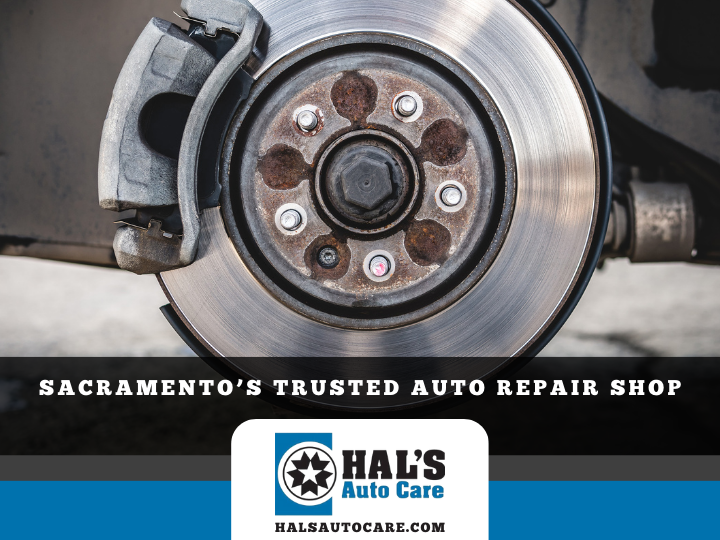
Top 5 Reasons Your Car Needs Brake Service – Keep Your Safety on Solid Ground
Your brakes are the most important safety system on your vehicle. Whether you’re stopping at a light in Sacramento, driving along Arden Way, or heading across the American River on your morning commute, your brakes determine how safely and effectively you can respond to any situation. But like every other mechanical system, brakes wear down over time — and if you ignore the signs, small issues can turn into major safety risks.
This guide will break down the top five reasons your car needs brake service, what warning signs to look for, and why consistent brake maintenance is essential for reliable performance, long-term safety, and total driving confidence.
1. Your Brake Pads Are Worn Down
Your brake pads do most of the work when you hit the brakes. They press against your rotors to create friction — slowing your vehicle down safely. But that friction comes at a cost: over time, the pad material wears away. Once it becomes too thin, braking performance drops, and other components start taking damage.
Signs your brake pads need replacement:
- Squealing or chirping noises: Most brake pads come with wear indicators that squeal when it’s time to replace them.
- Grinding sounds: This means the pad material is completely gone, and metal is contacting metal — which quickly damages your rotors.
- Vibration while braking: Uneven wear or heat spots on the pads can cause pulsation through the pedal.
- Longer stopping distance: The less material between your pads and rotors, the longer it takes to stop.
Driving through Sacramento’s stop-and-go traffic, especially along Fulton Avenue or the Capital City Freeway, puts heavy strain on your brakes. Constant braking generates extreme heat and friction that accelerates pad wear.
Pro Tip: Have your brake pads inspected every 5,000 miles or during each oil change. Catching wear early prevents rotor damage and keeps your stopping power consistent.
2. Your Brake Fluid Is Low or Contaminated
Brake fluid transfers force from your foot to the brake calipers that stop your car. Without the right fluid pressure, your brakes can feel soft or unresponsive. Over time, brake fluid naturally absorbs moisture from the air — and Sacramento’s hot summers and cool winters accelerate this process.
Signs your brake fluid needs service:
- Spongy or soft brake pedal
- Brake warning light illuminated
- Reduced braking response
- Dark, murky fluid in the reservoir
When moisture contaminates brake fluid, it reduces its boiling point and allows air into the hydraulic system. That means you lose power and consistency — especially during long stops or downhill braking. If left unchecked, moisture can also corrode internal components like calipers, master cylinders, and brake lines.
Pro Tip: Have your brake fluid flushed every two to three years. Clean, clear fluid maintains firm pedal feel and optimal braking pressure.
3. You Hear Grinding, Squealing, or Clunking Noises
Brakes communicate through sound — and ignoring them can lead to major damage. Different noises often point to specific issues within the system.
Common brake noises and what they mean:
- Squealing or screeching: Worn pads are contacting their wear indicators, signaling replacement is due.
- Grinding: The pad’s friction material is gone, and metal components are scraping together — damaging rotors and reducing stopping power.
- Clunking or knocking: Could mean loose caliper bolts, worn hardware, or suspension issues affecting brake stability.
In Sacramento’s urban conditions, where frequent stops and dust buildup are common, brake noise is often an early warning sign of wear. Even if your brakes “still work,” ignoring the sound leads to rotor grooves, caliper damage, and eventually, higher repair costs.
Pro Tip: Schedule a brake inspection as soon as you hear new or consistent noise. The longer you wait, the more likely you’ll need full rotor replacement instead of a simple pad swap.
4. You Feel Vibration, Pulling, or Instability When Braking
Your brakes should feel smooth, even, and controlled. If you notice shaking, vibration, or your car pulling to one side when braking, there’s likely an imbalance or mechanical issue somewhere in the system.
Common causes include:
- Warped rotors: High heat from heavy braking or neglect causes rotors to distort.
- Sticking calipers: When one caliper doesn’t release properly, your car may pull to one side.
- Uneven pad wear or rotor deposits: This causes pulsation through the brake pedal.
- Suspension or alignment issues: Can amplify braking vibrations or pulling.
Driving around Sacramento’s mixed city and highway terrain — from the stoplights downtown to long freeway stretches toward Arden Arcade — puts different types of stress on your brakes. Vibration or pulling not only affects comfort but also control, especially during emergency stops.
Pro Tip: Have your rotors measured and resurfaced or replaced as needed. Balanced braking ensures maximum control and even tire wear.
5. The Brake Warning Light Is On
Your vehicle’s brake warning light is one of the most important alerts on your dashboard. It’s not something to ignore — it’s a signal that something’s off with your braking system.
Common triggers include:
- Low brake fluid levels
- Worn brake pads
- ABS (Anti-lock Braking System) fault
- Sensor or electrical malfunction
If the light comes on and stays illuminated, it’s time for an immediate inspection. In some cases, the issue may be simple — like topping off fluid. But it could also mean a leak, pressure loss, or failing sensor that affects braking performance.
Pro Tip: If your brake light is flashing or red, it could indicate a serious problem. Avoid driving until your brakes are checked by a professional.
Other Warning Signs That Indicate Brake Service Is Needed
Even if you don’t hear noise or see a dashboard light, there are other signs that your brakes are overdue for service:
- The car takes longer to stop than usual.
- The brake pedal feels low or “mushy.”
- You smell a burning odor near the tires.
- The steering wheel shakes during stops.
- The car nose-dives when braking.
These issues can develop slowly, which makes it easy to overlook them. Regular inspections are the best defense against unnoticed wear.
Why Routine Brake Maintenance Is Essential
Routine brake maintenance ensures your vehicle can stop effectively in all conditions — whether you’re cruising down Howe Avenue or merging onto I-80.
Benefits of consistent brake care:
- Shorter stopping distances
- Improved safety and control
- Longer lifespan for pads, rotors, and calipers
- Quieter, smoother operation
- Reduced risk of costly repairs
Each part of your braking system is connected — when one part fails, the rest are affected. Neglecting maintenance not only puts you at risk but accelerates wear across the entire system.
Pro Tip: Include a brake inspection with every oil change or tire rotation. Preventive care keeps the system balanced and reliable year-round.
The Consequences of Ignoring Brake Problems
Delaying brake service starts a chain reaction of damage:
- Pads wear thin, reducing friction and causing heat buildup.
- Rotors warp, creating vibration and uneven braking.
- Calipers overheat, damaging seals and pistons.
- Brake fluid becomes contaminated, reducing hydraulic power.
- System performance collapses, risking total brake failure.
This process can happen quickly, especially in Sacramento’s stop-and-go driving conditions. What starts as a small squeak can turn into a complete system failure within months.
Pro Tip: If your brakes feel different than they used to — softer, slower, or louder — schedule a professional inspection right away.
The Physics of Braking: Why Heat and Friction Matter
Every time you stop, your car’s kinetic energy converts to heat through friction. That heat can exceed 400°F during normal driving — and even more during hard braking. Without proper maintenance, heat buildup leads to brake fade, which is when your brakes lose effectiveness temporarily due to overheated pads or fluid.
Sacramento’s summer heat compounds this issue. Brakes run hotter, fluid degrades faster, and rotors are more likely to warp if they’re not serviced regularly.
Pro Tip: When driving downhill or in heavy traffic, shift into a lower gear occasionally to reduce brake load and prevent overheating.
How to Keep Your Brakes in Peak Condition
Consistent maintenance is the best way to keep your brakes safe and responsive.
Best practices include:
- Inspect brakes every 5,000–6,000 miles or twice a year.
- Replace pads before they reach minimum thickness.
- Flush brake fluid every two to three years.
- Address noise, vibration, or pulling immediately.
- Keep tires properly balanced and aligned.
In Sacramento and nearby areas like Arden Arcade, Carmichael, and Fair Oaks, where temperatures fluctuate and traffic is dense, these steps help maintain full braking power and extend your system’s life.
Pro Tip: Pair your brake inspection with tire rotations or oil changes for balanced maintenance and even wear.
Why Professional Brake Service Matters
Modern braking systems rely on precision and technology. From ABS sensors to hydraulic lines, each part must function perfectly for safe stopping. Professional technicians have the tools and training to diagnose subtle issues that might go unnoticed otherwise.
A complete professional brake inspection includes:
- Measuring pad and rotor thickness
- Testing brake fluid moisture content
- Checking hoses, lines, and calipers for leaks
- Inspecting ABS and electronic control systems
- Cleaning and lubricating all moving parts
Pro Tip: Choose a trusted shop that performs full-system inspections rather than just pad swaps. Comprehensive brake service ensures your entire system is safe and balanced.
Conclusion: Safety Starts with Reliable Brakes
Your brakes aren’t just a maintenance item — they’re the foundation of safe driving. The top five reasons your car needs brake service — worn pads, contaminated fluid, strange noises, vibration or pulling, and warning lights — are all red flags that shouldn’t be ignored.
Addressing these issues early protects your safety, prevents expensive repairs, and keeps your vehicle performing like it should.
If you’ve noticed any warning signs or changes in your braking performance, don’t wait — schedule a brake inspection today. Whether you’re driving through Sacramento, Arden Arcade, Carmichael, or Fair Oaks, professional brake care ensures every stop is safe, steady, and confident.
Hal’s Auto Care
2425 Tower Ave, Sacramento, CA 95825
Phone: (916) 485-9215
https://halsautocare.com/services/
You can watch the video