Why Is My Car Riding Rough?
Why Is My Car Riding Rough?
Why Is My Car Riding Rough?
You can tell the difference instantly — your car just doesn’t glide the way it used to.
What once felt smooth now feels jarring, bouncy, or shaky. Each bump on the road seems louder and sharper, and you can feel vibrations through the seat or steering wheel.
A rough ride isn’t random. It’s your vehicle’s way of signaling that something mechanical has changed. It could be as simple as uneven tire pressure or as complex as worn suspension components. But one thing is certain — ignoring it will only make it worse.
If you’re driving through Sacramento, Arden-Arcade, or Fair Oaks and your car feels rougher than normal, let’s break down what’s happening, why it matters, and how to restore the smooth, confident drive your vehicle was designed for.
1. Tires and Wheels — Where the Ride Begins
Your tires and wheels are the foundation of ride comfort. Every shake, vibration, or bounce starts here. If your car’s ride quality has changed suddenly, this is the first place to look.
Tire Pressure and Inflation
Improper tire pressure is one of the top causes of a rough ride.
- Underinflated tires absorb too much energy, making your steering feel sluggish and unstable.
- Overinflated tires make the ride harsh, transferring every bump directly to your seat.
- Uneven tire pressure causes vibrations, pulling, and uneven tread wear.
In Sacramento’s variable climate — hot summers, cool nights — tire pressure can shift several PSI overnight. Checking it monthly keeps your ride balanced and consistent.
Tread Wear and Condition
Tire tread tells a story about your suspension and alignment. Uneven or irregular patterns point to underlying issues.
- Cupping or scalloping usually means worn shocks or struts.
- Edge wear often indicates poor alignment.
- Center wear is commonly caused by overinflation.
Even if your tires look healthy, worn tread depth reduces shock absorption and amplifies vibration, especially on Sacramento’s aging roadways.
Wheel Balance and Alignment
Every wheel must spin perfectly straight and evenly. If it’s even slightly off, you’ll feel a shaking or vibration, especially at highway speeds.
Alignment issues can create similar problems — pulling to one side, uneven steering response, and an overall “rough” sensation while driving.
After hitting potholes on Arden Way or Watt Avenue, even small misalignments can drastically affect comfort.
Bent or Damaged Rims
Potholes and curbs are no small threat. A bent rim throws your wheel out of round, creating a rhythmic bounce you’ll feel in the seat or steering wheel.
Many Sacramento drivers don’t realize a single impact can cause permanent deformation — even if the tire itself looks fine.
2. Suspension — Your Vehicle’s Shock Absorber System
If your tires are fine, the next suspect is your suspension. This system keeps your car stable, your tires in contact with the road, and your passengers comfortable.
When suspension components wear out, the vehicle no longer absorbs impact effectively.
Worn Shocks or Struts
Shocks and struts are filled with hydraulic fluid that controls rebound after bumps. Over time, they lose this ability, making your ride rough and unstable.
You may notice:
- Bouncing continues after hitting a bump.
- The nose dips under braking or the rear squats under acceleration.
- Excessive body roll when turning.
- Uneven tire wear (especially cupping).
Driving with worn shocks or struts makes every bump sharper — and it increases braking distance by reducing tire contact with the road.
Sagging or Broken Springs
Springs carry your car’s weight. When they sag or crack (often from corrosion or fatigue), ride height changes and the car bottoms out more easily.
In Northern California, fluctuating weather and occasional road salt exposure can accelerate spring wear.
A good visual test: park on level ground and see if one corner sits noticeably lower.
Bushings, Mounts, and Joints
Bushings are small rubber or polyurethane cushions that isolate metal parts from vibration. When they dry out or crack, you’ll feel every bump more directly.
Likewise, worn mounts (especially on struts) and ball joints add play to your steering and amplify harshness over uneven roads.
Listen for clunks, creaks, or rattles — these are clear signs something in your suspension is past its prime.
3. Steering System — The Connection Between You and the Road
Steering parts don’t just control direction; they influence how vibration is transmitted to your hands and how stable your car feels.
Tie Rods and Steering Linkages
Tie rods connect your steering rack to the wheels. If they loosen or wear out, steering becomes vague, and the car may shake or wander.
Rack and Pinion Wear
The rack-and-pinion assembly uses gears and hydraulic or electric assist to translate your steering inputs into movement. When internal seals or gears wear down, it can create uneven feedback and contribute to vibration or noise.
Wheel Bearings
Wheel bearings allow the wheels to spin freely and smoothly. A worn bearing feels like a low hum or growl that changes with speed or cornering. If ignored, the vibration becomes constant and can eventually damage other components.
4. Brakes, Driveline, and Mounts — The Hidden Causes of Roughness
Sometimes a rough ride isn’t about suspension at all — it’s about the components that power or stop your vehicle.
Warped Brake Rotors
If your steering wheel shakes only during braking, your rotors may be warped. Heat and friction from stop-and-go Sacramento traffic can cause the metal to deform slightly, leading to pulsation and roughness through the pedal.
Replacing or resurfacing rotors solves this quickly.
Engine and Transmission Mounts
Mounts are made of rubber and metal, designed to isolate engine vibrations. Over time, they harden, crack, or separate.
When that happens, you’ll feel the engine’s vibrations transfer directly into the cabin, especially during acceleration, idling, or shifting.
Driveline and Axle Issues
If you feel vibration at certain speeds, or hear clicking when turning, suspect a bent axle or worn CV joint.
Vehicles with front-wheel drive (like many in Sacramento) depend on CV joints for smooth power transfer. When the protective boot tears and grease leaks out, the joint wears rapidly — and the result is unmistakable roughness.
5. Sacramento’s Environment — The Unseen Factor
Where you drive affects how your car rides. Sacramento’s roads and climate create unique wear patterns most drivers overlook.
Rough Pavement and Expansion Joints
High summer temperatures and heavy traffic on I-80, Business 160, and Arden Way lead to expanding asphalt and concrete cracking. These bumps and seams fatigue your suspension faster than you realize.
Urban Stop-and-Go Traffic
Frequent braking and acceleration cause more stress on struts, shocks, and mounts than steady highway driving.
Weather Effects
Hot summers and cool, damp winters take a toll on rubber bushings, tires, and seals. The result: loss of flexibility, hardened mounts, and increased vibration.
Potholes and Construction Zones
Seasonal construction throughout Sacramento and nearby Carmichael often means uneven lanes and sharp transitions that can knock your alignment out of spec in one pass.
6. How to Diagnose a Rough Ride
When your car starts riding rough, avoid guessing. Systematic diagnosis saves time and prevents unnecessary repairs.
Step 1: Start with Tires
Check pressure (cold), inspect for uneven tread, bulges, or cupping.
Step 2: Evaluate Alignment and Balance
If the car pulls or vibrates at highway speeds, schedule a professional alignment and balance.
Step 3: Test Suspension
Perform a bounce test — press down firmly on each corner of the car. It should settle immediately. More than one bounce means weak shocks or struts.
Step 4: Listen While Driving
Clunks or rattles mean looseness. Whines or hums may indicate bearings or tires.
Step 5: Pay Attention to Timing
Does the roughness appear only when braking? Accelerating? Turning? That helps narrow down the cause (brakes, mounts, or suspension).
Step 6: Get a Professional Inspection
If the basics don’t reveal the problem, a full suspension and undercarriage inspection will pinpoint it precisely.
7. Why You Shouldn’t Ignore Ride Issues
A rough ride isn’t just uncomfortable — it’s a red flag.
- Reduced traction: Worn shocks let tires bounce, reducing grip.
- Longer braking distances: Rough ride = poor contact patch = less control.
- Accelerated tire wear: Suspension misalignment chews through tread.
- Fatigue and distraction: Constant vibration increases driver stress and decreases focus.
- Hidden damage spread: Worn bushings or mounts can stress nearby components.
Addressing small issues early prevents major repairs later.
8. Preventive Maintenance for Long-Term Comfort
Sacramento’s mix of heat, traffic, and rough roads makes maintenance critical.
Tire & Wheel Maintenance
- Check tire pressure monthly.
- Rotate every 5,000–6,000 miles.
- Balance and align annually or after any hard impact.
Suspension Care
- Inspect shocks and struts every 50,000 miles or once a year.
- Replace cracked or dry bushings immediately.
- Check springs for corrosion and ride height inconsistencies.
Driving Habits
- Slow down for potholes and speed bumps.
- Avoid hard cornering that stresses suspension mounts.
- Rinse undercarriage periodically to prevent corrosion buildup.
Consistent care ensures your vehicle stays smooth and stable year-round.
9. The Connection Between Comfort and Safety
Ride comfort is more than a luxury — it’s a matter of control.
A vehicle that rides smoothly keeps all four tires firmly on the ground, improving steering precision, braking efficiency, and handling balance.
When your suspension or tires fail to absorb impacts, it’s not just bumpy — it’s unsafe. Maintaining a smooth ride means maintaining your car’s ability to respond predictably under any driving condition.
10. When to Schedule a Professional Inspection
If you notice any of the following, it’s time to get your car checked:
- Persistent vibration or shaking at high speeds.
- Steering wheel movement during braking.
- Continuous bouncing after bumps.
- Uneven or fast tire wear.
- Clunking, knocking, or rattling sounds.
- Ride suddenly worsened after hitting a pothole.
Even small symptoms can signal developing suspension or tire problems that worsen quickly if ignored.
11. How Hal’s Auto Care Restores Your Ride
At Hal’s Auto Care, we know a smooth ride isn’t just about comfort — it’s about safety, control, and confidence behind the wheel.
Our ASE-certified technicians use precision diagnostics to identify the exact cause of your vehicle’s rough ride. We test and measure rather than guess, ensuring you get accurate answers and lasting solutions.
Our Inspection Process:
- Road test: Recreate the symptoms at multiple speeds.
- Visual inspection: Check suspension, tires, steering, and mounts.
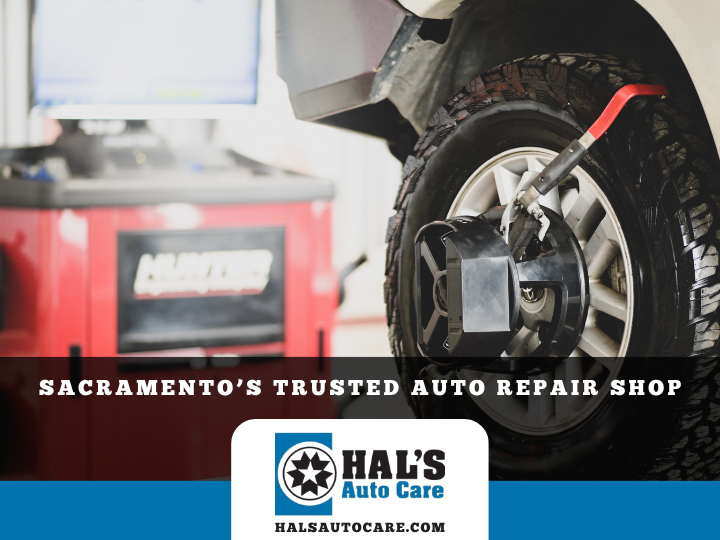
- Alignment analysis: Measure camber, caster, and toe angles with state-of-the-art equipment.
- Suspension test: Evaluate shocks, struts, bushings, and springs.
- Detailed results: Show you exactly where and why your ride quality changed.
Whether it’s a small imbalance or a worn suspension system, we’ll bring your car back to factory-level stability and comfort.
12. Local Roads, Local Expertise
Driving around Sacramento is tough on vehicles — from cracked pavement near Watt Avenue, to uneven surfaces on Fulton, to constant stop-and-go through Arden-Arcade.
Hal’s Auto Care has served local drivers for years, helping families, commuters, and professionals keep their vehicles performing like new despite the challenges of California’s capital region.
We don’t just fix what’s broken; we help you understand how to maintain your vehicle to avoid future problems.
13. Bringing Back the Smooth Ride
If your car no longer rides the way it should, don’t wait for it to worsen. The earlier you identify the cause, the easier — and safer — the fix will be.
From tires and alignment to shocks, bushings, and steering components, every part plays a role in the comfort and control of your drive.
Let the experts at Hal’s Auto Care bring your vehicle back to its best. We take pride in helping Sacramento drivers enjoy quiet, confident, and smooth rides through every season.
Visit: 2425 Tower Ave, Sacramento, CA 95825
Call: (916) 485-9215
Website: https://halsautocare.com/services/
Proudly serving Sacramento, Arden-Arcade, Carmichael, Fair Oaks, Citrus Heights, and surrounding Northern California communities.
You can watch the video