What Happens If You Skip This Repair for Six Months
What Happens If You Skip This Repair for Six Months
What Happens If I Skip This Auto Repair for Six Months in Sacramento, CA?
When an auto repair shop recommends work on your vehicle, it is reasonable to ask, “What happens if I wait six months?”
The vehicle may still start every morning. The warning light may have been on for weeks without changing. The noise may be occasional, the fluid spot may seem small, or the vibration may only happen at certain speeds.
When the vehicle continues getting you to work, carrying your family, and handling trips around Sacramento, Arden-Arcade, Carmichael, Fair Oaks, North Highlands, Rancho Cordova, Citrus Heights, Roseville, and surrounding communities, postponing the repair may not feel like a serious decision.
However, six months can represent thousands of additional miles. During every one of those miles, a worn, leaking, loose, misaligned, overheating, or malfunctioning component may continue to deteriorate. It may also place additional stress on the components around it.
Some repairs can be safely monitored and scheduled. Others can grow from one relatively contained problem into a much larger repair involving multiple systems.
The most useful question is not simply:
“Will my vehicle continue running for another six months?”
The better question is:
“What could this problem damage while I continue driving?”
Six Months Can Be a Long Time for a Developing Problem
Drivers tend to measure a delayed repair in months. A vehicle experiences the delay through mileage, operating hours, starts, stops, turns, bumps, heat cycles, and the load placed on its systems.
Six months of driving in the Sacramento area may include:
- Hot summer temperatures
- Stop-and-go traffic
- Heavy air-conditioning use
- Daily commuting
- Short neighborhood trips
- Longer freeway drives
- Family travel
- Dust and dry conditions
- Thousands of braking and steering events
- Repeated engine heating and cooling cycles
A vehicle can compensate for a weakening component for a period of time. The driver may not notice what is happening until the system can no longer compensate.
A small coolant leak may not immediately cause overheating. Worn brake pads may continue stopping the vehicle before they begin grinding. A wheel-alignment problem may not prevent the vehicle from driving, even as it permanently wears away tire tread.
The absence of a breakdown does not mean the problem has stopped progressing.
Quick Tip: Before deciding to wait, estimate how many miles you expect to drive during the next six months. Six months of light use is different from six months of daily commuting.
How Much More Can Waiting Cost?
There is no honest universal answer. The difference depends on the vehicle, the original problem, how far it is driven, and whether the condition damages other components.
The important issue is how the repair can expand.
When addressed early
When the condition progresses
One worn component may be replaced
Several connected components may require replacement
A small fluid leak may be repaired
Low fluid may damage a complete system
Brake pads may be replaced
Rotors, calipers, sensors, and hardware may also be affected
A wheel alignment may be corrected
One or more tires may develop permanent wear
A cooling-system problem may be repaired
Overheating may damage the engine
A poor electrical connection may be corrected
The battery, starter, or alternator may become overworked
One suspension component may be replaced
Additional steering parts and tires may be damaged
A scheduled shop visit may resolve the concern
A breakdown and towing need may follow
The additional impact may also include:
- Lost use of the vehicle
- An unexpected towing need
- A missed workday or appointment
- The need to arrange alternate transportation
- Damage to components that were previously usable
- A repair becoming more technically involved
- Reduced vehicle reliability
- A shorter remaining life for the vehicle
A shop cannot guarantee that a failing component will last another six months. It should, however, explain the likely consequences if the repair is postponed.
A Repair List Should Be Prioritized
Customers should not receive a list of recommendations without understanding which items matter most.
Not every finding is an emergency. A professional shop should help separate the recommendations into understandable categories.
Safety Now
These are concerns that may affect braking, steering, tires, visibility, suspension stability, or another system needed to control the vehicle safely.
Safety concerns should not be treated as six-month planning items.
Reliability Soon
These conditions may prevent the vehicle from starting, cause it to stall, lead to overheating, or leave the driver stranded.
The vehicle may operate normally today while the chance of a breakdown continues to increase.
Longevity and Efficiency
These repairs and maintenance items help protect the vehicle’s systems, reduce unnecessary wear, and extend its useful life.
Some can be scheduled, but they should be documented and included in a long-term plan.
This approach gives the customer a decision structure instead of pressure.
Quick Tip: Ask the service advisor to explain what needs attention now, what should be planned next, and what can be monitored.
What Happens If You Delay Brake Repairs?
Brake wear usually develops gradually, making it easy for drivers to adjust to the changing sound or feel.
A faint squeal may not seem urgent. A slight vibration may become something you barely notice. The vehicle may still stop, so it can be tempting to continue driving.
Brake pads are designed to wear. When their usable friction material becomes too thin, the harder backing can contact the brake rotor. Continued driving may damage a rotor that could otherwise have remained usable.
If the condition progresses further, heat and abnormal movement may affect:
- Rotors
- Calipers
- Brake hardware
- Wear sensors
- Brake hoses
- Brake fluid
- Wheel components
What began as normal brake-pad wear can become a more extensive brake-system repair.
Sacramento’s traffic and hot weather can add to the demand placed on a worn brake system. Frequent stopping generates heat. If a brake component is already damaged or not operating correctly, continuing to drive may accelerate deterioration.
Schedule a prompt brake inspection if you notice:
- Grinding
- A brake warning light
- A soft or sinking pedal
- Pulling while braking
- Fluid near a wheel
- A burning smell
- Strong vibration
- A noticeable increase in stopping distance
Some brake problems produce considerable noise. Others may become serious without much warning. The system should be inspected and measured rather than evaluated by sound alone.
Quick Tip: Grinding is usually not the beginning of a brake problem. It often means the condition has already progressed and may be damaging additional components.
What Happens If You Ignore a Fluid Leak?
A few drops beneath the vehicle may appear harmless. Unfortunately, the size of the spot does not necessarily show how serious the leak is.
Automotive fluids perform critical jobs. They lubricate moving parts, control temperature, create hydraulic pressure, and transfer power.
Depending on the source, a delayed leak may result in:
- Engine damage from insufficient oil
- Overheating from coolant loss
- Transmission damage from low fluid
- Reduced braking performance from a hydraulic leak
- Steering concerns on vehicles with hydraulic power steering
- Damage to belts, mounts, hoses, wiring, or rubber components exposed to fluid
The original repair might involve a gasket, seal, hose, clamp, fitting, or line. If the fluid becomes critically low, the resulting repair may involve an engine, transmission, steering system, or another major assembly.
Adding fluid does not repair the leak. It may temporarily restore the level, but the underlying defect remains. A small leak can also become much larger without warning.
A professional inspection should identify:
- The type of fluid
- The source of the leak
- The current fluid level
- How quickly the fluid is being lost
- Whether another component caused the leak
- Whether related damage has occurred
- Whether the vehicle is safe to drive
Quick Tip: If you discover a new fluid spot, take a photograph before moving the vehicle. Its color, location, and size may provide useful diagnostic information.
What Happens If You Delay a Cooling-System Repair?
Sacramento’s summer temperatures can quickly expose a weakness in the cooling system.
The cooling system manages engine temperature using several connected components:
- Coolant
- Radiator
- Water pump
- Thermostat
- Hoses
- Cooling fans
- Temperature sensors
- Heater core
- Pressure cap
- Electrical controls
A cooling-system problem may begin with a slow leak, weak hose, worn water pump, malfunctioning fan, or sticking thermostat. The temperature gauge may remain normal during short trips or cooler mornings.
That does not mean the condition is harmless.
The problem may become more apparent during a hot afternoon, stop-and-go traffic, extended idling, heavy air-conditioning use, or a long freeway trip.
If the system loses enough coolant or circulation, the engine may overheat. Excessive heat can damage seals, gaskets, cylinder heads, sensors, and internal engine components.
A contained cooling-system repair can become major engine work.
If the temperature warning light appears, the gauge moves into the hot range, or steam comes from beneath the hood, safely pull over and shut off the engine. Continuing to drive may cause rapid damage.
Never open a hot cooling system.
Quick Tip: If the temperature gauge rises and later returns to normal, the vehicle has not repaired itself. Intermittent overheating still needs to be diagnosed.
What Happens If You Ignore Steering or Suspension Problems?
Steering and suspension components help maintain tire contact, vehicle stability, alignment, control, and ride quality.
A worn component may begin with a slight clunk, loose feeling, or unusual tire-wear pattern. Because the vehicle still responds to the steering wheel, the driver may assume the problem can wait.
Possible warning signs include:
- Clunking over bumps
- Popping while turning
- Loose or wandering steering
- Pulling to one side
- Uneven tire wear
- Excessive bouncing
- An off-center steering wheel
- Vibration at certain speeds
- Instability while braking
A worn tie rod, ball joint, control-arm bushing, wheel bearing, shock, strut, or mount may continue developing movement. That movement can damage tires and place additional stress on surrounding components.
A weak shock or strut can allow excessive movement and irregular tire wear. A worn steering component may prevent the vehicle from holding an alignment. A deteriorating wheel bearing can create heat and movement that affect other parts.
Waiting six months can turn one repair into:
- Replacement of the original component
- Replacement of additional worn parts
- A wheel alignment
- One or more tires
Some steering and suspension failures can affect the driver’s ability to control the vehicle. Professional inspection is the only responsible way to determine whether the condition can be monitored.
What Happens If You Delay a Wheel Alignment?
An alignment problem may not prevent the vehicle from moving, but it can steadily remove tread from the tires.
Once tire rubber has worn away, an alignment cannot put it back.
Incorrect alignment may cause:
- Pulling or drifting
- An off-center steering wheel
- Inner or outer tire-edge wear
- Frequent steering correction
- Reduced tire life
- Additional stress on steering and suspension components
- A less stable driving feel
Not every pull is caused by alignment. Unequal tire pressure, tire construction, road slope, brake drag, and worn steering components may create similar symptoms.
That is why an inspection should come before an adjustment. If a loose or damaged part is causing the alignment problem, it must be addressed first. Otherwise, the alignment may not remain correct.
Quick Tip: Check the tread across the complete width of each tire. The visible outer portion may look acceptable while the inner edge is badly worn.
What Happens If You Ignore Tire Damage?
Tires are the only parts of the vehicle that make contact with the road. Their condition affects acceleration, braking, steering, stability, and wet-road traction.
A tire that repeatedly loses pressure may have a repairable puncture. Continuing to drive while it is underinflated can cause excessive flexing and internal heat. That can damage the tire’s structure and eliminate the possibility of a safe repair.
Uneven wear may indicate:
- Incorrect tire pressure
- A wheel-alignment problem
- Worn suspension or steering components
- Missed tire rotations
- Wheel damage
- A balance problem
- Internal tire damage
Replacing a tire without correcting the underlying cause can allow the same wear pattern to return.
Tire conditions requiring prompt attention include:
- A bubble or bulge
- Exposed cords
- Deep cracks
- Repeated pressure loss
- Severe or irregular tread wear
- A sudden vibration
- Damage after a curb or pothole impact
- A tire-pressure warning light that stays on
Long dry periods can also make drivers less aware of reduced wet-weather traction. When rain arrives, worn tires may have difficulty moving water away from the contact area.
What Happens If You Ignore a Check Engine Light?
A check engine light means the vehicle’s computer detected an operating condition outside the expected range. It does not automatically identify a defective part.
A stored fault code identifies the system that noticed the problem. Diagnosis determines why it happened.
A sensor-related code may be caused by:
- The sensor
- Damaged wiring
- A poor electrical connection
- A vacuum or exhaust leak
- Fuel-delivery problems
- Low system voltage
- A mechanical engine concern
- Another component affecting the sensor’s reading
Replacing the part named in the code without testing may leave the actual problem unresolved.
If the condition causes the engine to run poorly, continued driving may affect:
- Spark plugs
- Ignition components
- Oxygen sensors
- The catalytic converter
- Fuel efficiency
- Engine performance
A steady check engine light should be diagnosed soon, even when the vehicle seems to drive normally.
A flashing check engine light is more serious. It may indicate an active misfire capable of causing rapid catalytic-converter damage. Reduce vehicle use and seek professional assistance immediately.
Quick Tip: A code scan provides a starting point. It takes professional testing to identify the cause.
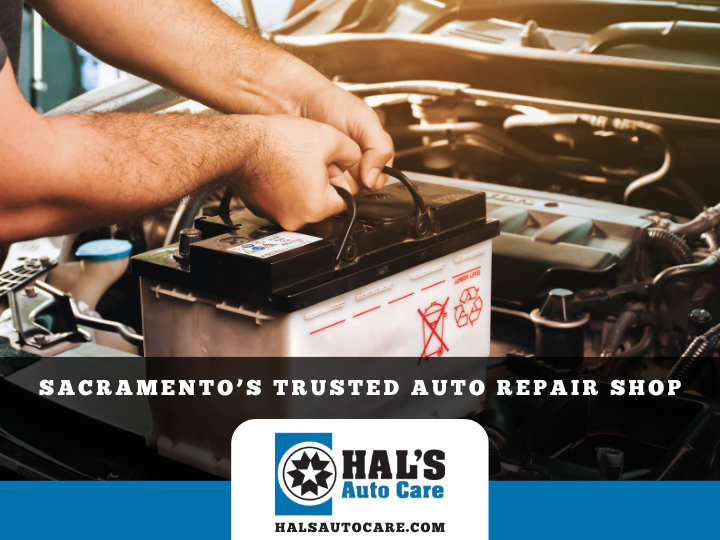
What Happens If You Delay a Battery or Electrical Problem?
Heat can be hard on automotive batteries. A battery may appear to fail without warning even though deterioration has been developing over time.
Slow cranking, dim lights, repeated jump-starts, or intermittent electrical behavior may involve:
- The battery
- Alternator
- Starter
- Battery cables
- Corroded connections
- Wiring
- A control module
- An electrical draw while the vehicle is parked
Replacing the battery without testing the starting and charging system may only provide temporary relief.
A weak battery can make the charging system work harder. A failing alternator can repeatedly discharge a good battery. Corroded connections can restrict current and imitate a failed battery or starter.
Modern vehicles depend on stable voltage for engine controls, transmission operation, safety systems, climate control, sensors, and communication between computers. Low or unstable voltage may create several symptoms that appear unrelated.
Quick Tip: If a recently installed battery repeatedly loses its charge, request a complete starting, charging, and electrical-draw test.
What Happens If You Delay an Air-Conditioning Repair?
Air conditioning is more than an occasional convenience during a Sacramento summer. The system may operate for long periods in high ambient temperatures.
An air-conditioning problem may begin with:
- Air that is not as cold as it used to be
- Cooling that becomes weaker while idling
- Unusual noise when the system is turned on
- Low airflow from the vents
- An unpleasant odor
- Water entering the passenger area
- A compressor that cycles abnormally
Low refrigerant generally indicates a leak. Adding refrigerant without identifying the source may restore cooling temporarily, but the underlying problem remains.
Operating a system with an incorrect refrigerant level or another unresolved concern may place additional strain on the compressor and connected components.
Professional diagnosis should evaluate refrigerant pressures, temperatures, electrical operation, airflow, leak evidence, and component condition before recommending a repair.
What Happens If You Delay Transmission Symptoms?
Transmission concerns may begin with a delayed engagement, unusual shift, slipping sensation, shudder, fluid leak, or new noise.
These symptoms may involve:
- Low or deteriorated transmission fluid
- A fluid leak
- An electrical problem
- A sensor or control issue
- A worn engine or transmission mount
- An axle or driveline concern
- Engine-performance problems
- Internal transmission wear
Assuming the transmission has failed can lead to unnecessary work. Ignoring an actual transmission problem can allow additional damage.
The right decision begins with diagnosis. A technician should evaluate the symptoms, fluid condition, computer information, electrical operation, engine performance, and driveline before determining what the vehicle needs.
What About Delaying Repairs on an EV or Hybrid?
Electric and hybrid vehicles have many of the same safety and chassis systems found in conventional vehicles, including:
- Brakes
- Tires
- Steering
- Suspension
- Wheel bearings
- Climate control
- Cooling systems
- Low-voltage electrical systems
They also include high-voltage batteries, power electronics, electric-drive components, and specialized cooling systems.
Regenerative braking can sometimes make traditional brake wear less obvious. At the same time, limited use of the friction brakes can allow corrosion or hardware concerns to develop. Hybrid and electric vehicles may also use several cooling circuits that should be evaluated by technicians familiar with the vehicle.
A warning message on an EV or hybrid should not be treated as something that can automatically wait. The system should be scanned and tested so the driver understands whether the concern affects safety, reliability, or long-term component life.
What Happens If You Ignore a Noise or Vibration?
A new noise or vibration means something has changed.
A vibration may originate from:
- Tires or wheels
- Brake components
- Steering or suspension
- Axles
- Engine or transmission mounts
- Driveshaft components
- Wheel bearings
A new sound might involve a loose shield, worn bearing, belt-driven component, exhaust leak, brake component, suspension joint, or an internal engine concern.
Without diagnosis, you cannot know whether the symptom represents a minor inconvenience or the early stage of a significant failure.
Pay attention to when it occurs:
- During acceleration
- While braking
- At a particular speed
- While turning
- Over bumps
- When the engine is cold
- When the air conditioning is operating
- When shifting into gear
These details help a technician reproduce and isolate the concern.
Recording the noise may also be helpful, but a recording should support—not replace—a professional inspection and road test.
Why Professional Diagnosis Matters
Repairing the vehicle correctly the first time begins with identifying the actual cause.
A warning light, noise, leak, vibration, or performance problem is a symptom. It provides useful direction, but it does not always identify the failed component.
Professional diagnosis may involve:
- A detailed conversation with the driver
- A road test
- A visual inspection
- Computer scanning
- Electrical circuit testing
- Pressure testing
- Component measurements
- Fluid evaluation
- Inspection of related systems
- Verification after the repair
This helps prevent two potentially expensive mistakes:
- Replacing a component that did not cause the problem
- Repairing the visible damage without correcting the reason it occurred
Doing the repair correctly the first time is not about automatically recommending the largest repair. It is about accurate testing, correct parts, proper procedures, and confirmation that the concern has been resolved.
Can Some Repairs Safely Wait Six Months?
Yes. Some repairs and maintenance items can be monitored or scheduled.
The appropriate timeline depends on:
- Whether the condition affects safety
- The severity of the problem
- How quickly it is progressing
- The number of miles the vehicle will be driven
- Whether waiting could damage another component
- The age and condition of the vehicle
- How the vehicle is used
- Whether the condition can be reinspected
A minor seep is different from an active leak. Brake pads with measurable usable material are different from brakes already grinding. A maintenance recommendation is different from a loose steering component.
If the repair can wait, ask the shop to document the condition and establish a time or mileage for reinspection. That creates a plan rather than leaving the decision to chance.
Quick Tip: If you decide to wait, schedule the reinspection before you leave. Do not depend on the problem becoming louder to remind you.
Ask These Questions Before Postponing a Repair
Before choosing to wait, ask:
- Is the vehicle currently safe to drive?
- Could the condition cause a breakdown?
- What additional components could be damaged?
- Is the problem stable or progressing?
- Can you show me what was found?
- What testing confirmed the cause?
- What symptoms mean I should stop driving?
- How many miles can I reasonably travel?
- When should the vehicle be inspected again?
- Could waiting eliminate a less involved repair option?
A trustworthy repair shop should welcome these questions.
The goal should not be to pressure the customer into approving every recommendation. The goal should be to provide accurate information so the customer can make a responsible decision.
Auto Repair With Your Best Interest at Heart
Hal’s Auto Care describes its guiding question as: “If this were our vehicle, what would we do?”
That is the right perspective for a customer-first repair decision.
If a repair can wait, the customer should be told. If a condition may affect safety or damage other components, that should be explained clearly. If the problem should be monitored, the customer should receive a reasonable reinspection plan.
Your best interest is served through:
- Accurate testing
- Clear explanations
- Honest priorities
- Appropriate repair options
- Quality parts and procedures
- A plan for future needs
- Verification that the repair solved the problem
Professional Auto Repair in Sacramento, CA
For drivers in Sacramento, Arden-Arcade, Carmichael, Fair Oaks, North Highlands, Rancho Cordova, Citrus Heights, Roseville, West Sacramento, Rio Linda, Folsom, and nearby communities, postponing a repair for six months should never be based on guesswork.
Have the vehicle inspected. Understand the cause. Determine whether the condition affects safety, reliability, or vehicle longevity. Then make a plan based on evidence.
Hal’s Auto Care has served Sacramento-area drivers since 1979. The family-owned shop provides comprehensive automotive services, including brake repair, vehicle diagnostics, electrical repair, engine and transmission work, suspension repair, air-conditioning service, tire care, and EV and hybrid repair. Many qualifying repairs are supported by a nationwide warranty.
If your vehicle has a warning light, fluid leak, unusual noise, vibration, steering concern, or repair recommendation you are unsure about, visit Hal’s Auto Care at 2425 Tower Avenue, Sacramento, CA 95825, or call (916) 485-9215.
The goal is not to convince you that every repair must be completed immediately. The goal is to help you understand the consequences, avoid preventable damage, and make the decision that is genuinely in your best interest.
You can watch the video